
Many industries depend on small, accurate, and repeatable metal parts. In particular, precision metal stamping applications span sectors from automotive to consumer electronics, helping manufacturers meet volume and quality demands. The metal stamping manufacturing process converts a flat metal sheet into finished components through dies and presses. As a result, it delivers tight tolerances and consistent output that other fabrication methods struggle to match at scale.
Chaoyang’s Precision Metal Stamping Applications
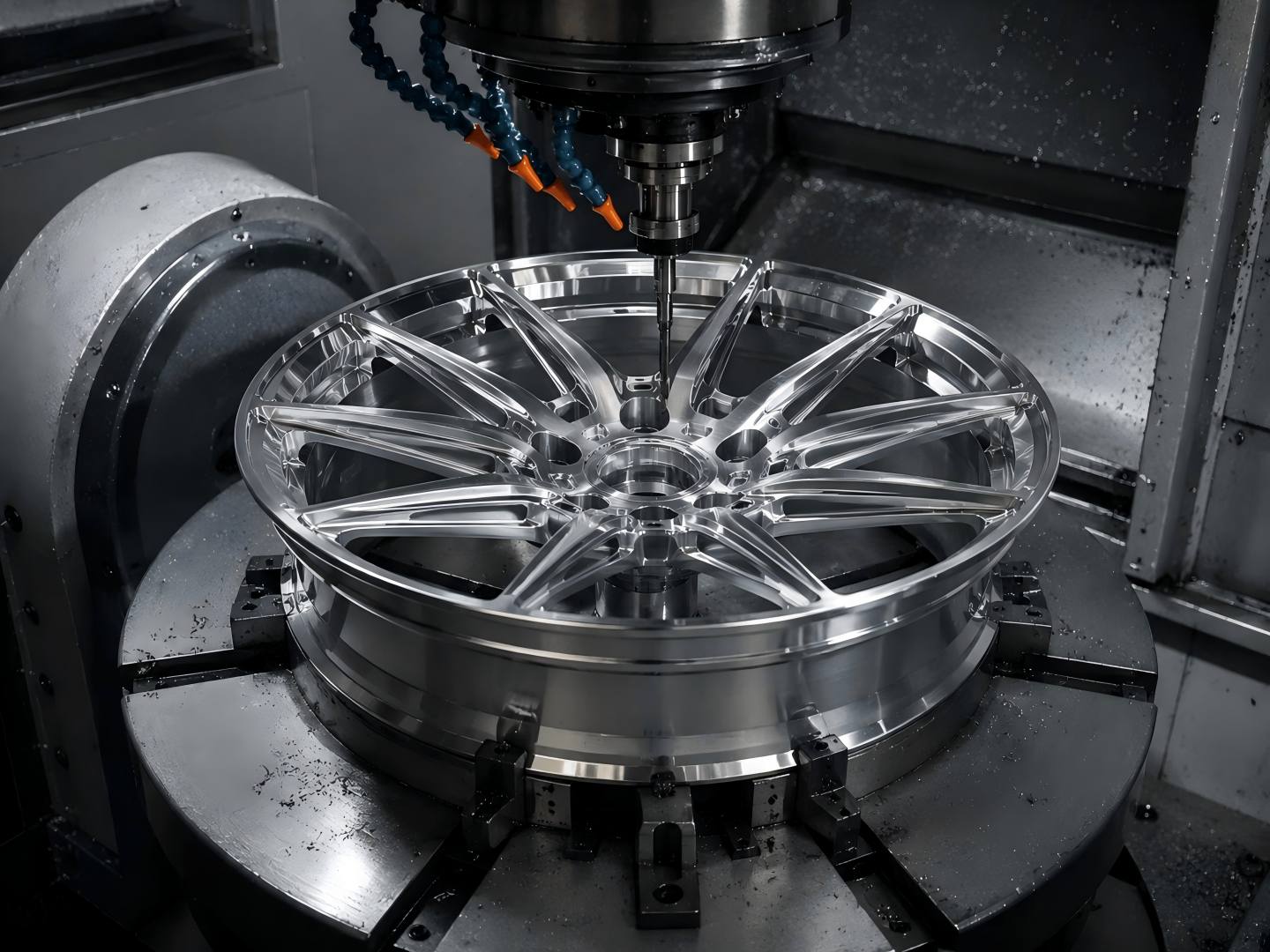
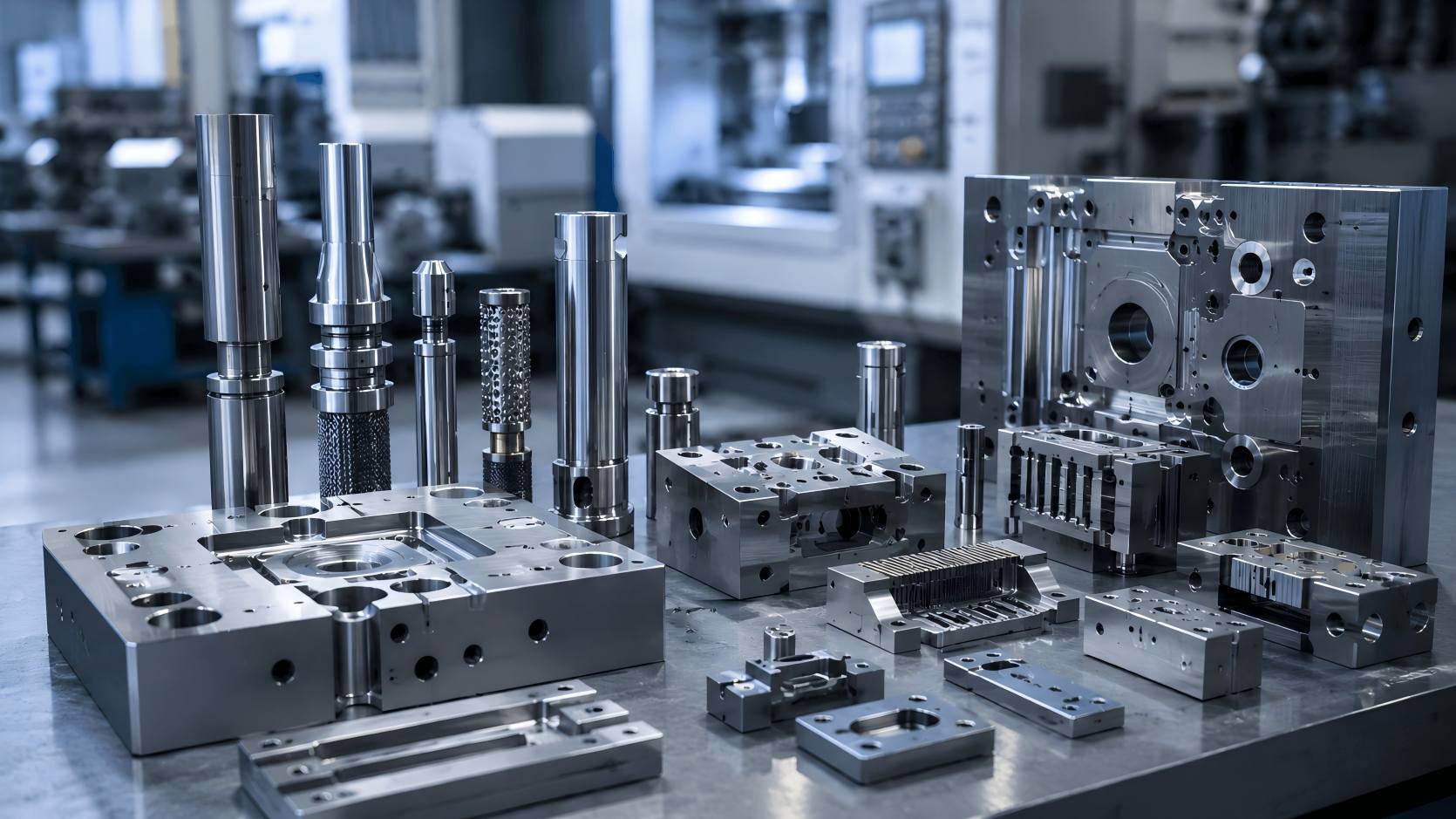
Chaoyang manufactures precision stamping dies and tooling components. Their products are used across automotive, aerospace, electronics, industrial energy, home appliances, and consumer goods. Specifically, capabilities include CNC machining, EDM, grinding, jigs, and fixtures — supporting both die fabrication and custom stamped part production.
In addition, Chaoyang holds ISO 9001:2015 certification and uses CMM inspection systems to support dimensional verification throughout the production process.
Automotive and Aerospace Applications
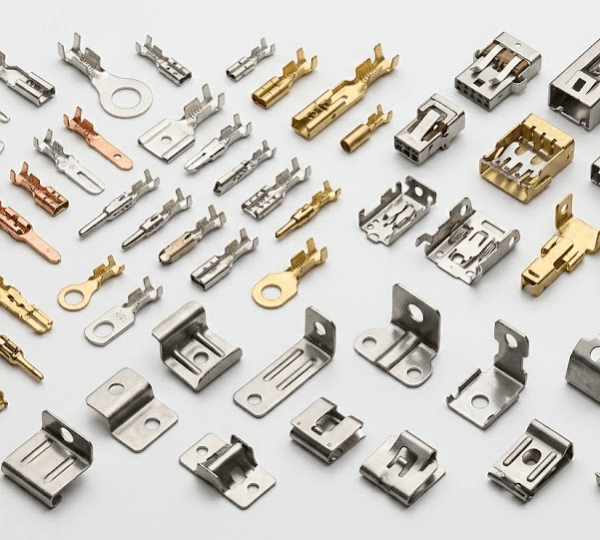
In automotive manufacturing, precision-stamped parts appear throughout electrical and structural systems. For example, terminals and connectors in ECUs and battery management systems require a stable contact geometry. Similarly, EV high-voltage charging interfaces need reliable performance across temperature cycles. Brackets and structural fasteners for chassis, airbag mounts, and braking systems also demand strict dimensional control.
For ADAS, infotainment, and autonomous driving hardware, micro-stamped components handle signal transmission and electromagnetic shielding. Consequently, dimensional variation in these parts can affect system performance.
In aerospace and defense, tolerances are tighter and operating conditions more demanding. Miniature connectors for avionics must maintain signal integrity in vibration-heavy environments. Furthermore, EMI/RFI shielding parts protect sensitive flight electronics. Heat-resistant housings keep components operational across wide temperature ranges. Precision RF-related components may also be used in aerospace and communication equipment where signal stability and dimensional accuracy are important.
Electronics and Telecommunications Applications
5G infrastructure has driven demand for high-frequency connectors, antenna components, and EMI shielding stamped parts. These require close geometric tolerances to maintain signal performance at millimeter-wave frequencies.
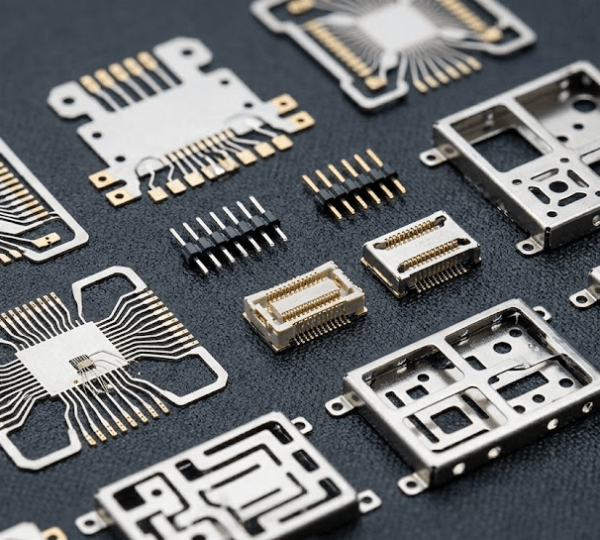
In semiconductor packaging, micro-formed lead frames and IC sockets must hold precise dimensions across high-volume production runs. Similarly, consumer electronics — wearables, smartphones, and mobile accessories — use slimline connectors, SIM card trays, and precision springs. Part sizes are small, but functional requirements are still strict.
Heat sink assemblies for high-density circuit boards also fall within the precision stamping scope. In this case, consistent fin geometry is an important factor in thermal management performance.
Industrial Energy and Home Appliance Applications
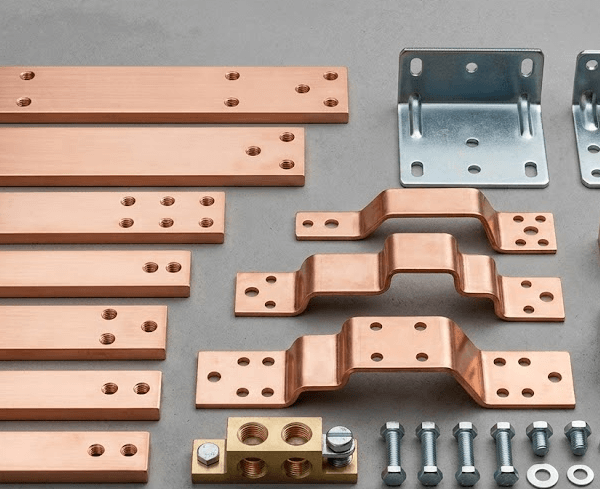
Renewable energy systems use busbars, solar connectors, and inverter components that carry high current loads. As a result, reliable contact surfaces are important for long-term performance. In industrial automation, motor cores, relay contacts, and sensor housings are stamped in large volumes. These parts are expected to perform reliably in demanding operating environments.
Power distribution applications include high-current terminals, circuit breaker parts, and grounding components. In these areas, dimensional variation can affect safety and reliability.
In home appliances, precision stamping supports smart home switches, relays, and HVAC components such as heat exchanger fins and motor laminations. Daily-use consumer products — kitchenware parts, razor blades, and micro-gears — are also common applications. Thinner materials and finer features are typical in this segment. Therefore, die quality and press control have a direct impact on output consistency.
How to Choose a Precision Metal Stamping Partner
When evaluating a stamping supplier, consider these factors:
- Die design experience — the supplier should design for your part geometry and volume, not just quote off a print
- Custom stamping capability — ask whether they support progressive stamping dies and compound dies for complex parts
- Material knowledge — different alloys behave differently in stamping; your supplier should understand the tradeoffs
- Tolerance verification — confirm what inspection equipment is used and whether dimensional reports are available per batch
- Application experience — familiarity with your industry helps identify fit and function issues early
Finally, reviewing quality control for precision-stamped parts during supplier qualification reduces risk before production begins.
Precision Metal Stamping Is a Long-Term Manufacturing Decision
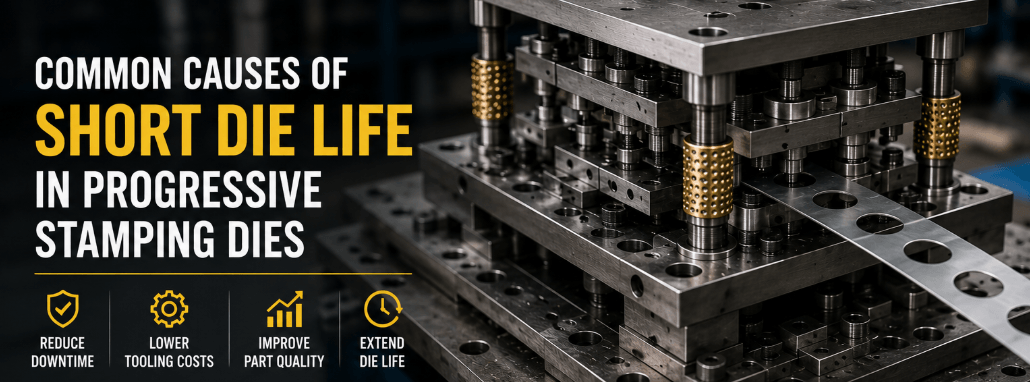
Precision metal stamping suits industries that need small, accurate, and repeatable metal components at scale. Automotive, aerospace, electronics, energy, and consumer goods are among the most common examples. Its value comes from consistent quality, tight tolerance control, and efficient high-volume production. In addition, tooling life is a factor — well-designed and maintained dies support stable output over time.
Overall, working with an experienced stamping and tooling partner reduces production risk. It also shortens qualification time and supports reliable output across the product lifecycle. Chaoyang brings tooling depth across multiple industries, backed by engineering and inspection infrastructure.