
PRECISION PARTS

What Are Precision Parts?

Precision parts are custom metal and plastic components machined from your 2D drawing or 3D model. We handle one-off prototypes, small batches and full production runs. The focus is dimensional accuracy and surface quality, not catalog-standard parts.

Holes Slots Steps Contours Mating Surfaces
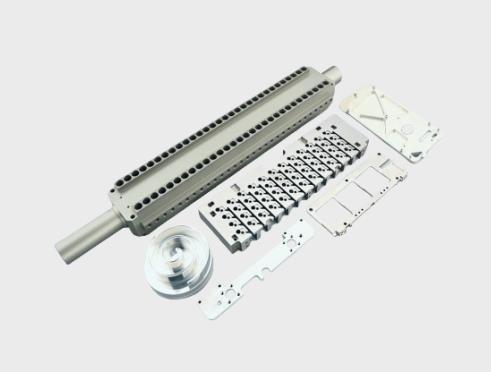
Precision machined parts — shafts, plates and thin-walled components

Precision Part Manufacturing Requirements

Typical ranges from our general specification. Final tolerances, materials and finishes are confirmed against your drawing during review — no single number applies to every part.

TolerancesUp to ±0.002 mm on critical features (confirmed per drawing)
MachiningCNC milling (3/4/5-axis), CNC turning, Swiss lathe, wire EDM, grinding
MaterialsSteel, aluminum, titanium, copper, plastics, composites
Surface finishingPolishing, anodizing, plating, coating
ProductionPrototype to production volumes
InspectionCMM and ISO-compliant dimensional checks on critical features

Values are typical ranges; final specifications follow the drawing, material and surface finish requirements.

Machining Capabilities

Processes
CNC Milling (3/4/5-axis)
CNC Turning
Swiss Machining
Wire EDM
Grinding
Common Materials
Steel alloys
Aluminum
Stainless steel
Copper & brass
Titanium
Plastics
Composites

Typical Precision Parts

Parts vary widely by application. Common geometries include:
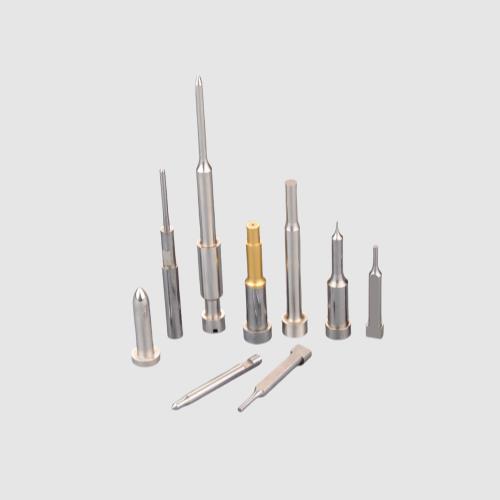
Shafts and pins, turned cylindrical precision parts
Shafts & Pins
Turned cylindrical parts with tight diameters, concentricity and surface finish. Used in gears, bearings and actuator mechanisms.
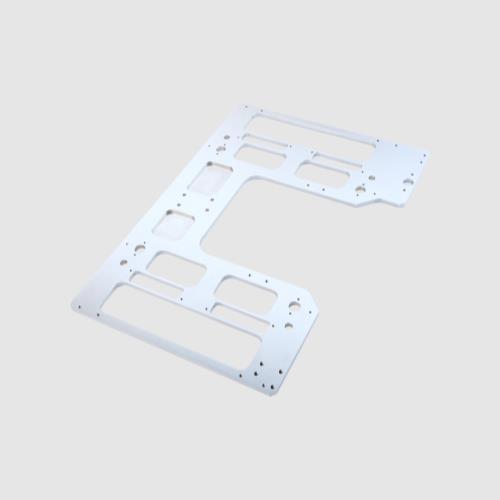
Machined housing and bracket with pockets and holes
Housings & Brackets
Milled parts with pockets, holes and mounting features. Used in sensor housings, machine brackets and automated equipment frames.
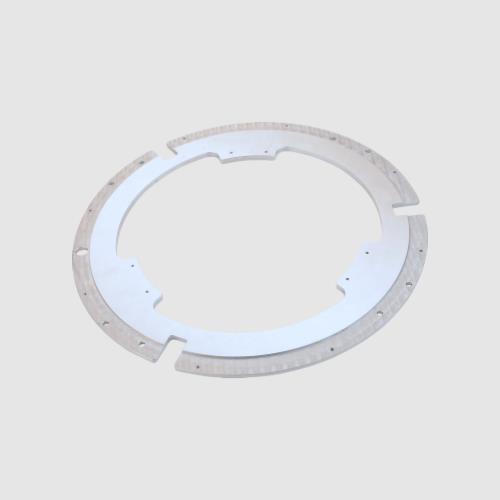
Thin-walled ring precision part, Swiss-machined
Thin-walled Parts
Swiss-machined components with fine geometry and wall thickness control. Used in connectors, medical devices and optical assemblies.
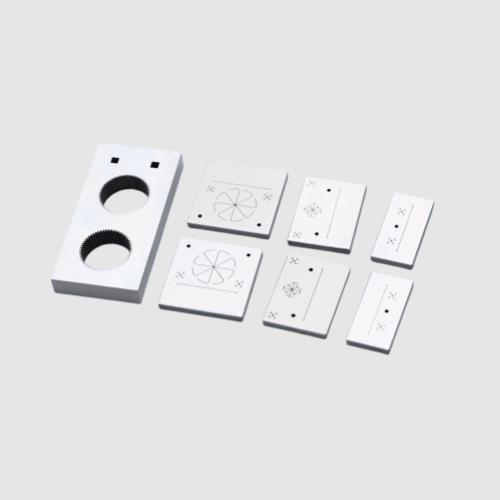
Wire-cut tooling components for dies
Tooling Components
Punches, inserts and wear parts machined by wire EDM and grinding. Used in stamping dies, forming tools and high-wear applications.
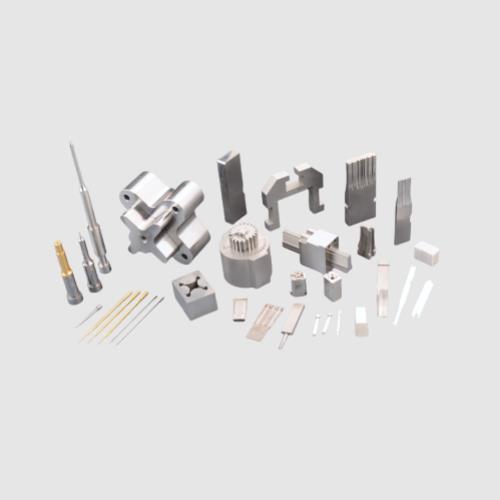
Precision machined parts

What Matters on a Part Drawing

The clearer your drawing, the faster we can review manufacturability, pricing and inspection requirements. These four areas have the biggest impact:

• Dimensions & tolerances — which diameters, hole positions and mating surfaces directly affect assembly and function. Mark them clearly so we know where to focus machining and inspection.
• Geometric requirements — datums, position, flatness and parallelism. These determine how we set up the machine and how we verify the part on the CMM.
• Material & surface finish — material grade, heat treatment and Ra callouts. These change tool selection, machining strategy and whether secondary finishing is needed.
• Quantity & delivery — prototype, small batch or production run, plus inspection documentation requirements. These affect setup approach and how we plan the production schedule.

How a Part Goes From Drawing to Shipment

01
Drawing Review
Check feasibility, critical tolerances and material before quoting. We flag any features that may affect machinability.
02
Programming
Setups, tool paths and fixturing planned around the part geometry. Tool selection matched to material and feature type.
03
Machining
Mill, turn, Swiss or wire EDM depending on the part features. First-off inspection confirms setup accuracy.
04
Surface Finishing
Anodizing, plating or coating if specified on the drawing. Finishing applied after machining and dimensional check.
05
Inspection
CMM and dimensional checks on critical features before release. Full inspection report provided with the parts.
06
Shipment
Packed with inspection report and material certificate. Carefully protected for transit to your facility.

Equipment for Precision Parts

Micro-features and tight tolerances are machined and measured with dedicated precision equipment. Machining equipment shapes the part; measurement equipment verifies it.

YASDA High-Speed CNC
High-accuracy milling for complex pockets and thin walls · up to 40,000 rpm. Suitable for precision housings and fine-feature plates.
Seibu Wire EDM
Tight-tolerance profiles and narrow slots · wire φ0.05–0.3 mm. Used for punches, inserts and die components.
Moore Jig Grinding
Precision holes and contours after heat treatment. Maintains geometry when material hardness changes.
Small Surface Grinding
Flat surfaces and fine finishes · Ra0.05, min groove 0.07 mm. For sealing faces and precision mounting surfaces.
Zeiss CMM
3D verification of critical features and overall form. Full inspection data provided with production batches.
Nikon Measuring Microscope
Inspection of micro-features and surface detail. Used for small holes, fine slots and edge quality checks.
ISO 9001:2015 certified quality system across machining and inspection. The same equipment family and CMM inspection that builds our precision stamping dies machines your parts.
See precision dies →

Send Us Your Part

Send the 2D drawing or 3D model of the part you need machined. Add material, critical dimensions and expected quantity. We will review feasibility and come back with questions or a recommended approach.

2D Drawing 3D Model Material Spec Critical Dimensions Quantity

Precision Parts — Common Questions

What tolerance can you hold?+
Precision machining holds tolerances up to ±0.002 mm, with consistent accuracy across batch production. Tight features are confirmed against your drawing during review.
Can you machine parts from my own drawings?+
Yes. Most precision parts are produced from customer-supplied drawings or CAD files. Send the model and the engineering team will review machining feasibility and tolerance requirements.
Which materials and surface finishes are available?+
Steel alloys, aluminum, titanium, copper, plastics and composites. Surface options include polishing, anodizing, plating and coating, depending on the application.

Have a Precision Part to Machine?

Send your drawing, material requirements and quantity. We review feasibility, machining steps and inspection, then come back with a recommended approach.

Send Your Drawing
Scroll to Top