
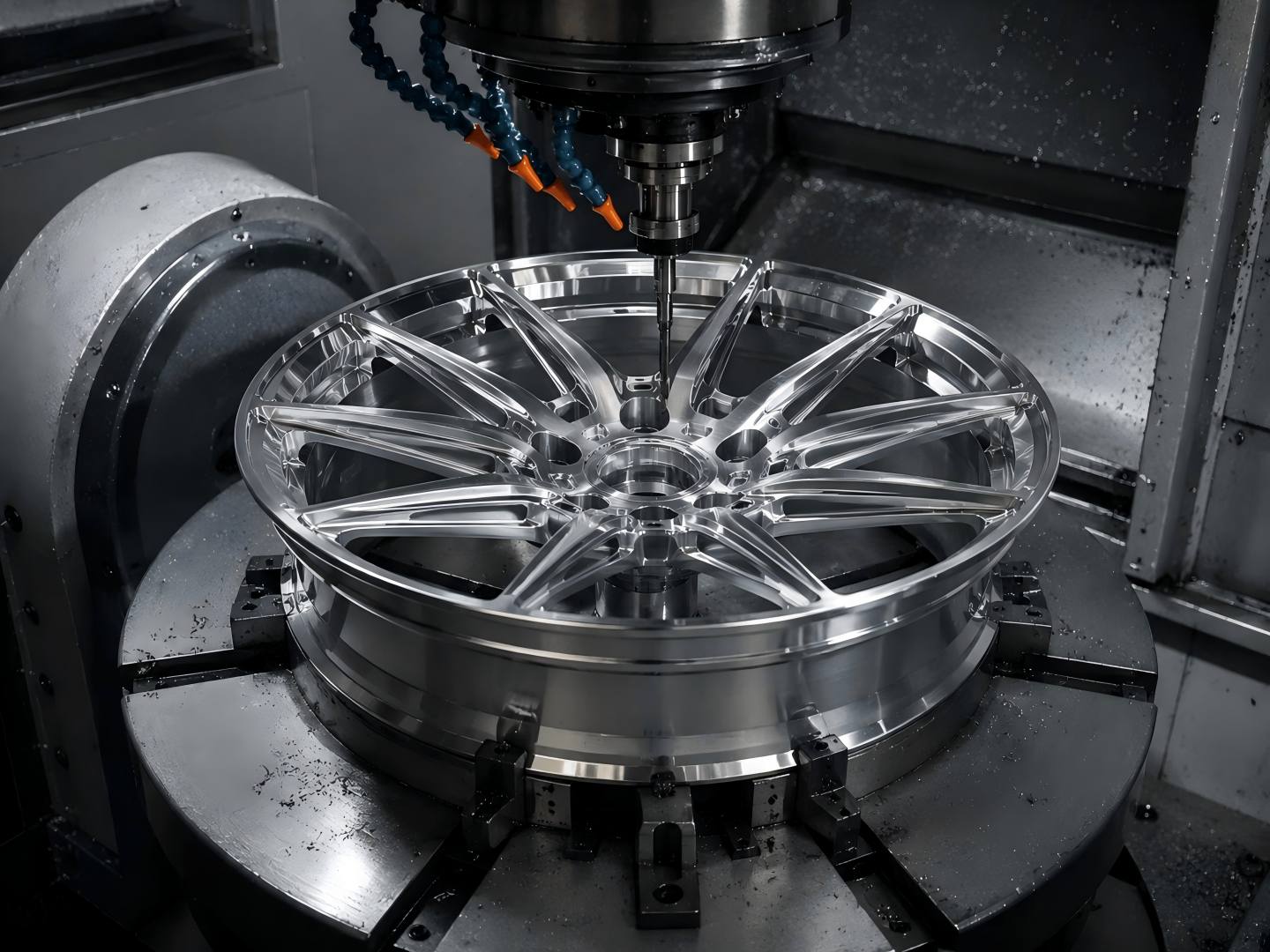
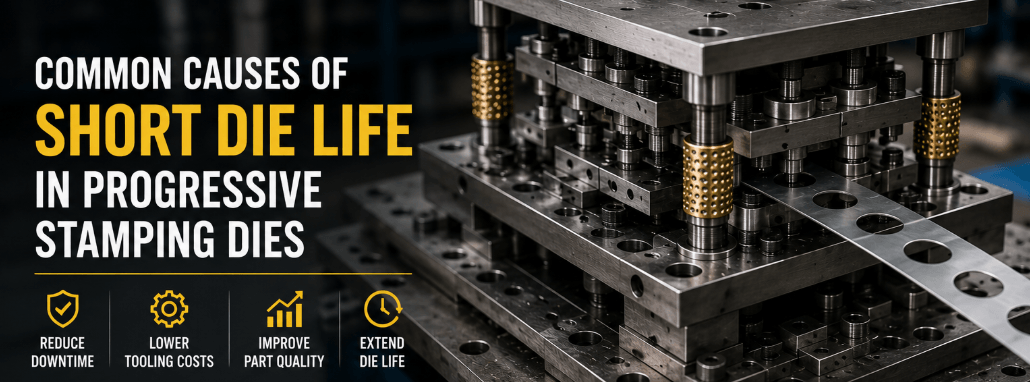
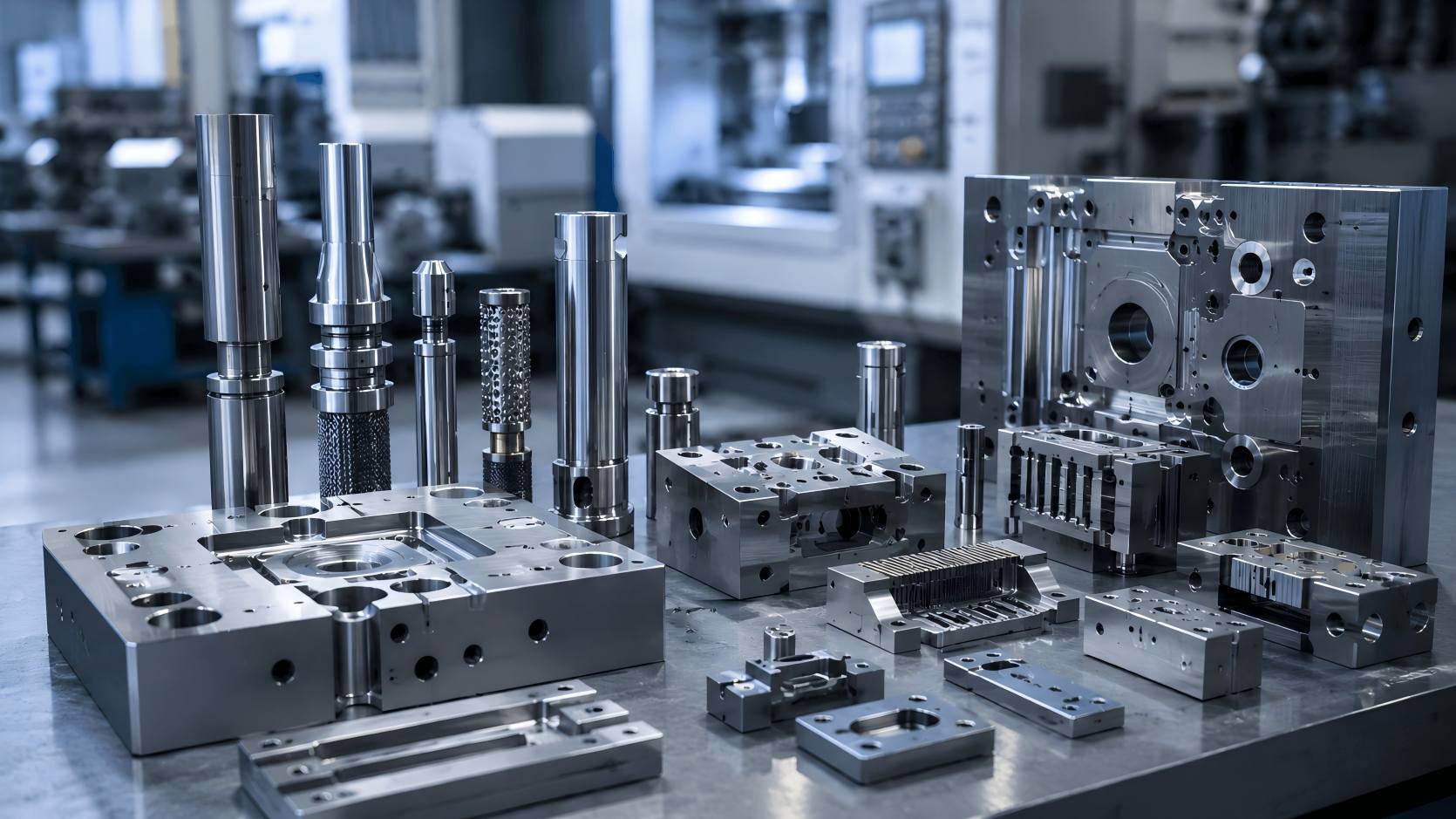
Machined components are the working parts built into automotive tooling, including dies, jigs, fixtures, and automation equipment. They are not the final vehicle parts produced on the line. Their role is to make the tooling perform accurately by controlling positioning, guiding movement, supporting repeatable production, and maintaining stable part quality over long production runs.
Machined Components Keep Automotive Tooling in the Right Position
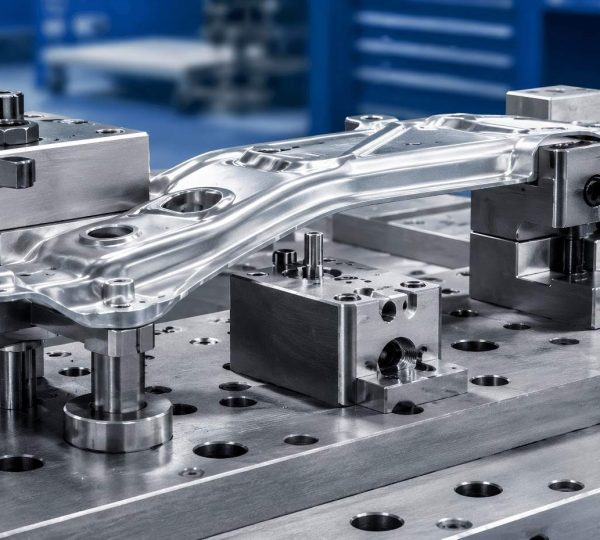
Machined components help automotive tooling hold each workpiece in the correct position before each operation begins.
Common positioning components include:
- Locating blocks: set a fixed reference point for the workpiece.
- Fixture plates: support the part and keep related components aligned.
- Custom-machined blocks: meet special positioning, spacing, or support needs.
These components are important because they make every production cycle start from the same position. Before stamping, assembly, inspection, or automated handling, the workpiece must sit exactly where the tooling expects it to be.
If the positioning component is inaccurate, the operation may act on the wrong location. That error can then carry through to the finished part.
Machined Components Guide Tool Movement
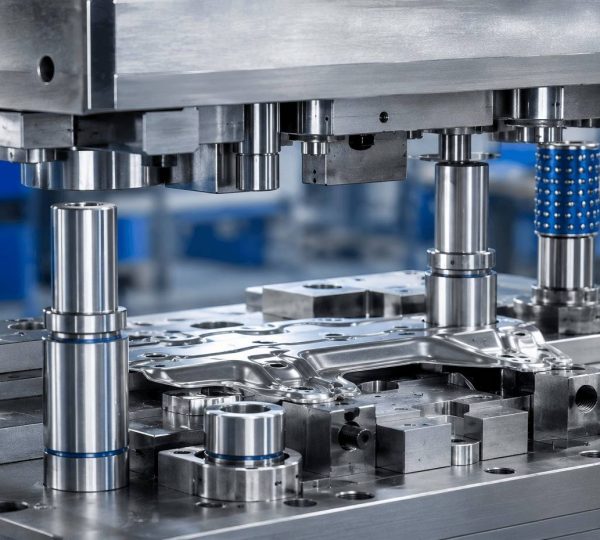
Guiding components control how the moving sections of automotive tooling travel during each cycle.
Key guiding components include:
- Guide pins: keep the upper and lower die sections aligned.
- Bushings: protect guide interfaces and reduce long-term wear.
- Inserts: reinforce high-load or high-contact areas.
- Die components: help maintain the designed movement path of the tool.
Their role is to keep tool movement smooth, aligned, and repeatable. When these components are machined accurately, the tool follows the intended path on every stroke.
If guide components wear out of tolerance, the movement path can shift. Once the tool movement changes, part quality can change with it.
Machined Components Support Repeatable Production
Repeatability means the tooling can produce the same result again and again across long production runs.
Machined components support repeatability by keeping:
- locating surfaces stable
- guide interfaces aligned
- support structures rigid
- tool geometry within tolerance
- high-contact areas resistant to wear
This matters because automotive tooling often runs for thousands or tens of thousands of cycles. Each cycle must produce a part within the required dimensional range.
Stable machined components reduce the need for constant adjustment. They help the tooling repeat the same process instead of relying on corrections between runs.
Machining Accuracy Affects Final Part Quality
The accuracy of machined tooling components directly affects the accuracy of the parts produced by the tool.
If a component is out of tolerance, possible quality problems include:
- shifted hole positions
- inaccurately formed edges
- poor alignment between mating surfaces
- unstable assembly fit
- parts that fail to meet drawing specifications
For example, if a locating block is inaccurate, the workpiece may enter the operation in the wrong position. If a guide component wears out of tolerance, the tool movement may shift. In both cases, the final part quality can become unstable.
In automotive production, these are not minor issues. A bracket with a shifted hole pattern may not accept its fastener correctly. A formed part with poor alignment may not fit the next assembly stage. This is why high-quality precision parts are important in automotive tooling. Accurate machined components help the tool maintain positioning, movement, and repeatable part quality.
Common Machined Components Used in Automotive Tooling
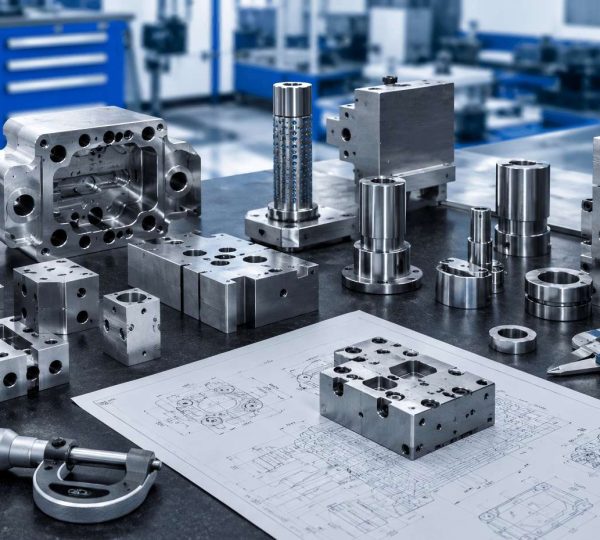
Automotive tooling uses many different machined components. Each one has a specific function inside the tooling structure.
Common examples include:
- Locating blocks: set the reference position for workpieces entering the tooling.
- Guide pins: align moving die sections during each stroke.
- Bushings: protect guide pin interfaces and reduce wear.
- Inserts: reinforce punch and die faces in high-stress contact zones.
- Fixture plates: form the structural base that holds other components in relation to each other.
- Custom-machined blocks: solve special positioning, spacing, or support requirements that standard parts cannot meet.
These components may not be visible in the final vehicle part, but they directly affect how accurately the tooling performs during production.
When Automotive Tooling Needs Custom-Machined Components
Standard catalogue parts are not always enough for automotive tooling.
Custom-machined components are often needed when the tooling requires:
- special part geometry
- non-standard dimensions
- tighter tolerance control
- Specific material hardness
- unusual locating surfaces
- custom spacing or support structures
Automotive tooling is often built around specific part shapes and production requirements. A locating block may need to match an irregular surface. A high-cycle stamping tool may need a harder or more wear-resistant insert. A fixture may require a custom plate or support block to hold the part correctly.
In these cases, custom-machined components are produced according to the tooling drawing. This allows each component to match the exact size, tolerance, material, and positioning needs of the tool.
Chaoyang’s tooling and jigs service supports the design and fabrication of standard and custom tooling components for automotive and industrial applications.
Reliable Machined Components Help Automotive Tooling Last Longer
Automotive tooling must stay stable over long production cycles. This means the internal components need more than accurate dimensions. They also need suitable materials, surface finishes, and wear resistance.
Reliable machined components can help:
- reduce wear in high-contact areas
- maintain alignment over repeated cycles
- Reduce mid-run adjustment
- lower the risk of unexpected downtime
- support longer tooling service life
When internal tooling components remain stable, the whole tool can perform more consistently. This is especially important for automotive projects where production volume is high and quality requirements are strict. For manufacturers that follow ISO 9001 quality management, stable machining, inspection, and process control are important for maintaining consistent tooling performance.
The Function of Machined Components in Automotive Tooling
Machined components function as the internal control parts of automotive tooling. They position the workpiece before each operation, guide tool movement during each cycle, support repeatable production, and help the tooling maintain dimensional stability over long production runs.
They are not the final vehicle parts. Instead, they make the tooling accurate enough to produce final parts that meet specifications. When locating blocks, guide pins, bushings, inserts, fixture plates, and custom machined blocks stay accurate, the tooling can perform consistently.
For automotive manufacturers, this is the main role of machined components: they help tooling produce consistent parts, reduce mid-run adjustments, limit unexpected maintenance, and keep high-volume production stable.