
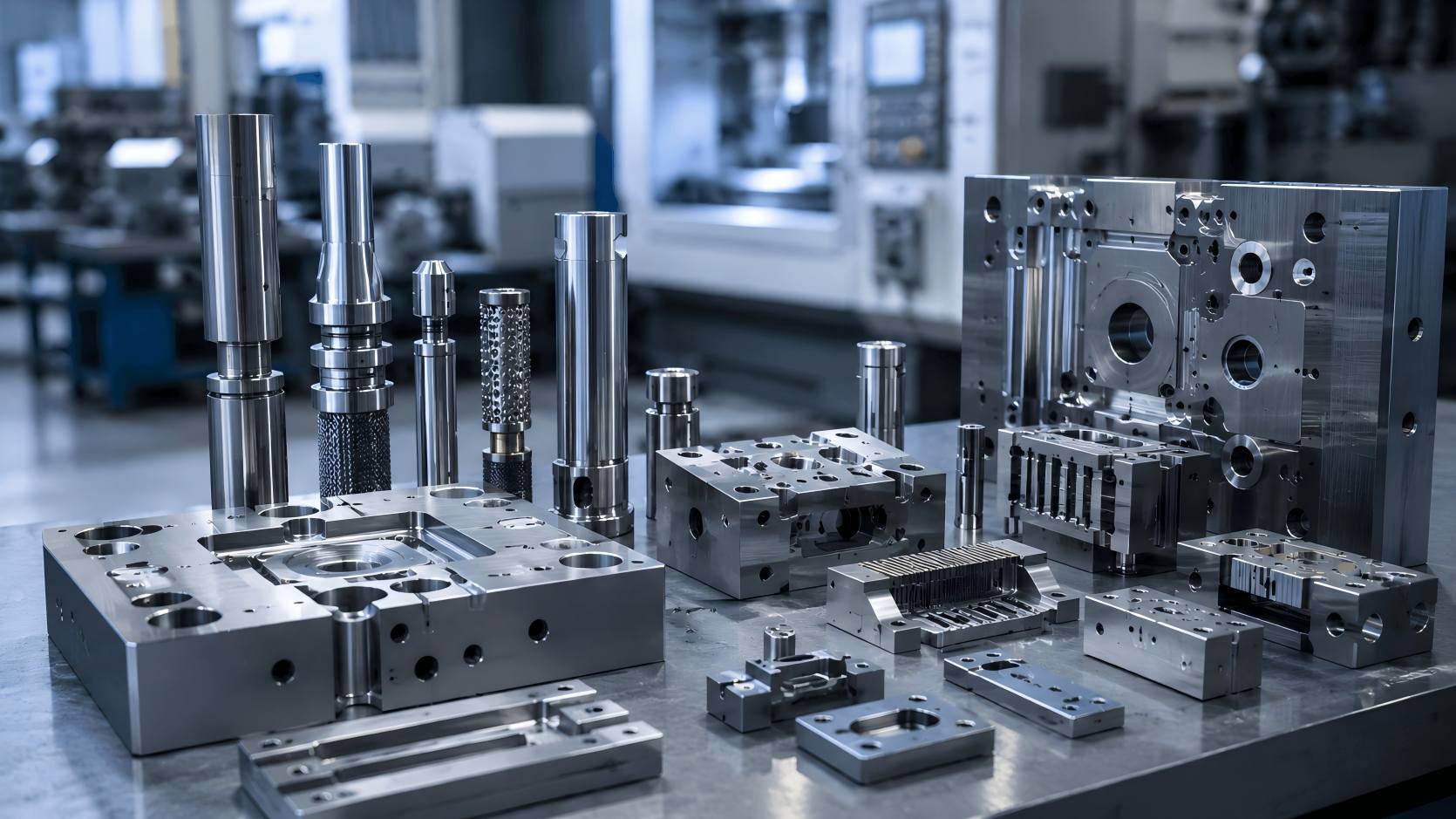
A contributing factor to the decline in the structural rigidity of the die component is the deterioration of its surface integrity. Factors such as friction and repetitive contact gradually erode the outer layer of die components, resulting in dimensional inaccuracies and reduced functionality. When minute surface defects appear on a mold component, they serve as initiation points for wear or corrosion. As usage cycles accumulate, these microscopic defects progressively expand, eventually manifesting as visible signs of wear—such as scratches, pitting, or rounded edges. Once this degradation process begins, it often accelerates rapidly, particularly in high-speed or high-load applications. Consequently, addressing surface performance issues promptly is essential to maintaining the tooling’s consistent precision. Should surface deterioration reach a critical threshold, it can adversely affect adjacent components within the mold assembly.
What Role Does Die Component Machining Play in Surface Integrity?
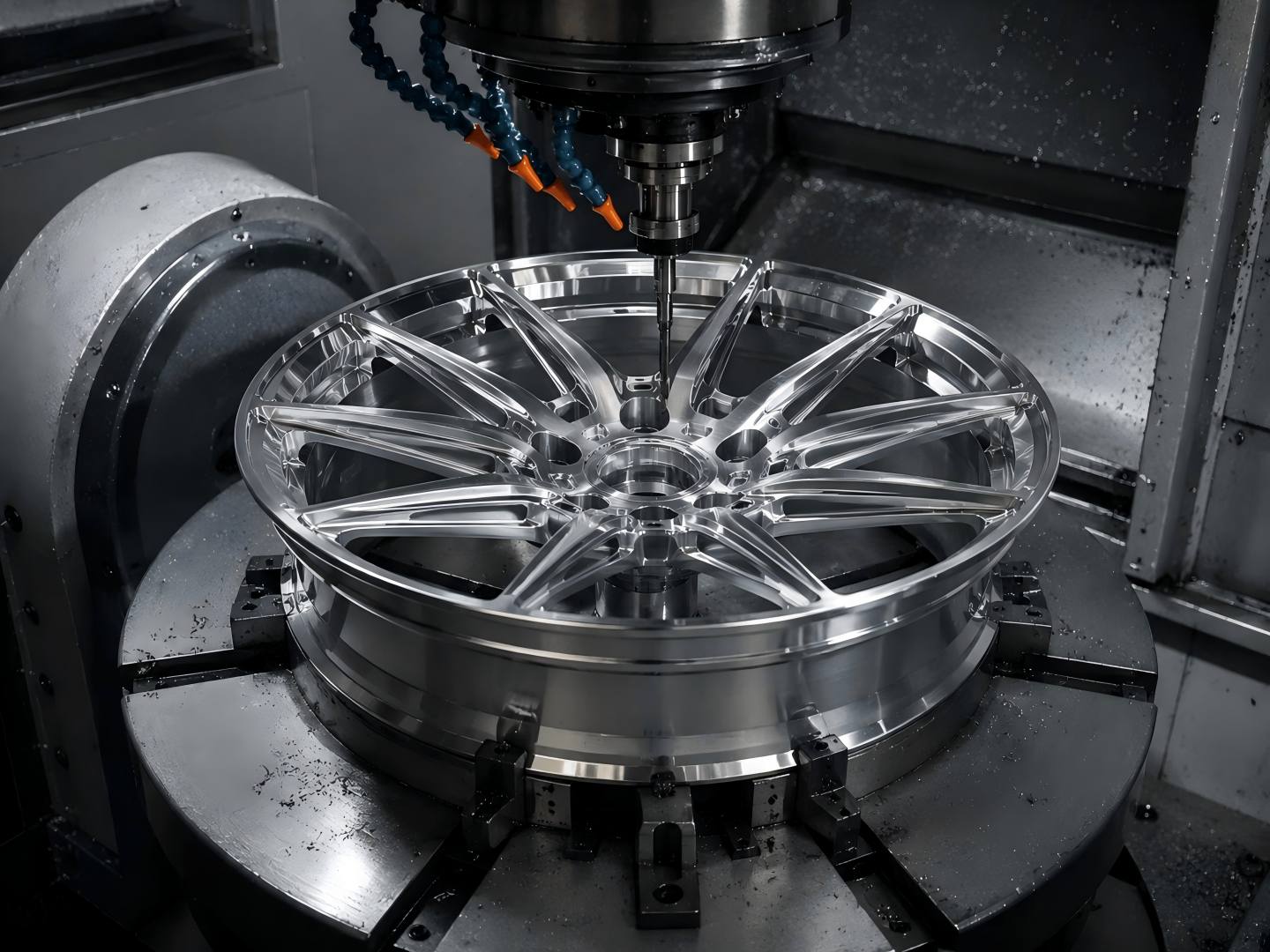
High-quality machining of the die component directly influences the efficacy of subsequent surface treatment processes. Surface roughness, residual stress, and edge quality are the primary determinants of coating adhesion and diffusion behavior. Without a solid foundation established through proper machining, even the most advanced surface treatment technologies will be unable to deliver optimal performance.
Furthermore, machining parameters—such as cutting speed, tool condition, and cooling methods—also influence the final surface state. Substandard machining practices can induce microcracks or generate tensile stresses, thereby compromising the surface layer’s strength. Conversely, a precisely controlled machining process yields a uniform surface finish that not only enhances the bonding strength of applied coatings but also ensures consistent diffusion during subsequent heat-treatment processes.
Key Environmental Factors Influencing Die Component Surface Integrity
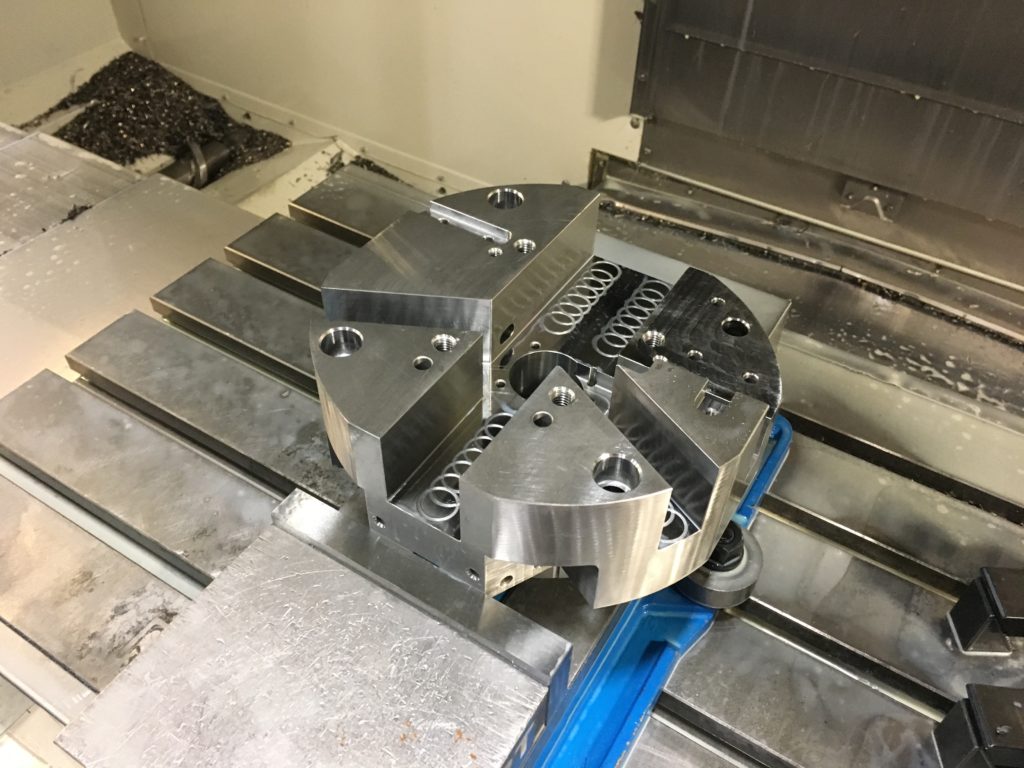
The operational environment—encompassing factors such as humidity, lubrication conditions, material contact dynamics, and load cycling—significantly influences the processes of wear and corrosion. Fluctuations in temperature, as well as exposure to contaminants such as metal particulates or chemical residues, can further accelerate the deterioration of surface performance. In certain instances, improper storage conditions may even lead to corrosion before the components are formally put into service. By selecting surface treatment processes tailored to actual operating conditions, manufacturers can significantly enhance the reliability and service life of their die components.
Even seemingly benign environmental factors, if allowed to persist over time, can gradually erode the effectiveness of protective surface layers. Therefore, it is imperative to select surface treatment processes that offer not only immediate protection but also ensure sustained, long-term durability.
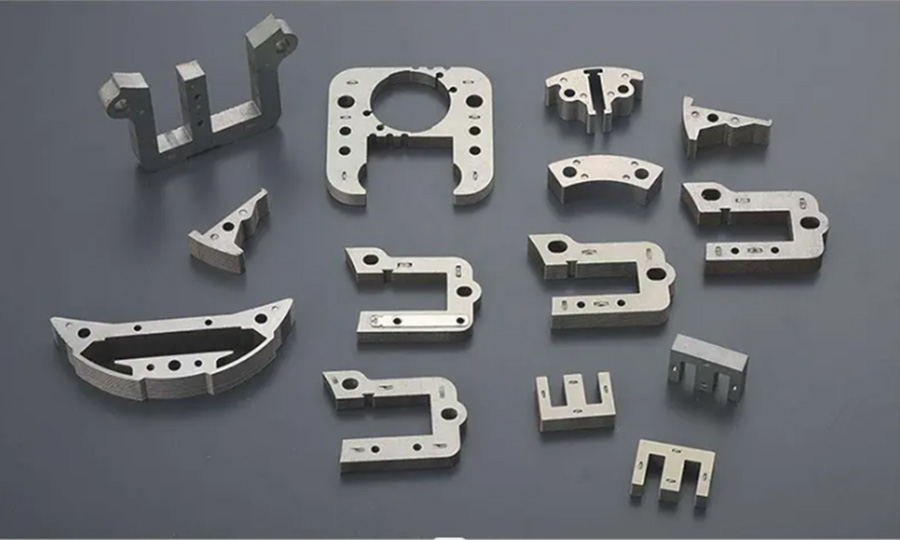
Surface Treatment Technologies for Enhancing Die Component Performance
First among these is nitriding—a surface treatment that introduces nitrogen into the die component to form a hardened layer, thereby enhancing wear resistance while preserving the mold’s core toughness. Nitriding induces compressive surface stress, which helps resist crack initiation and propagation under cyclic loading conditions. This process also improves fatigue resistance, thereby extending the service life of die components. With proper control, nitriding can create a uniform, durable surface layer, ensuring sustained performance across a wide range of industrial applications. Another advantage of nitriding is its compatibility with subsequent processing steps; because it induces minimal distortion, fewer corrective operations are required, leading to reduced production times and lower costs.
Carburizing and Boriding for High-Load Applications
For die components operating in harsh environments, carburizing and boriding treatments can impart deeper or harder surface layers. While these processes offer exceptional durability, they require precise control to avoid inducing brittleness or causing dimensional changes.
Carburizing is particularly effective when a balance between surface hardness and core toughness is required. In contrast, boriding provides extremely high surface hardness for components subject to severe wear. However, both processes involve elevated treatment temperatures; if not managed properly, they can lead to workpiece distortion. Therefore, it is essential to carefully assess material compatibility and subsequent processing requirements to ensure that the final die components maintain both precise dimensions and intact mechanical properties.
Surface Treatment Techniques for Mold Assemblies
Precision Grinding a crucial role in the surface treatment of mold assemblies, ensuring dimensional accuracy and an optimal surface finish. A meticulously pre-treated surface enhances coating adhesion and ensures the uniformity and consistency of subsequent treatments. Precision grinding also serves to eliminate surface defects that could otherwise compromise the component’s performance. Another key process involves polishing and deburring, removing burrs and optimizing surface texture.
These operations not only improve coating adhesion but also eliminate stress concentration points, thereby effectively extending the service life of the mold assemblies. The polishing process helps reduce friction in contact areas, while the deburring process eliminates sharp edges that could initiate cracks. These two processes complement one another, working in tandem to create a more stable, durable surface condition, thereby ensuring that treated die components maintain reliable performance even under operational stresses. Such meticulous surface finishing also optimizes the overall interaction between mating parts, thereby reducing wear rates.
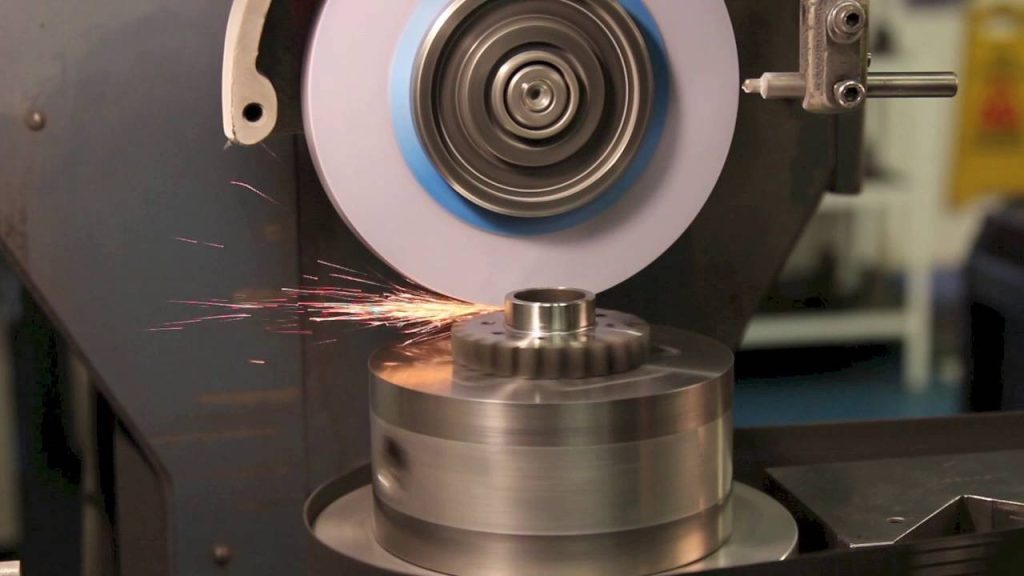
Surface Treatment Processes for Extending Mold Component Lifespan
Observation reveals that wear on die components rarely occurs abruptly; rather, it is a gradual process involving the progressive loss of surface integrity. Edge wear, increased friction, and gradually escalating corrosion all contribute to performance degradation. Consequently, the key to enhancing both wear resistance and corrosion resistance lies not in selecting a single, standalone solution, but in applying the appropriate treatment process at the correct stage when a precision-machined mold component is paired with a suitable base material and subjected to the proper surface treatment—whether nitriding, PVD coating, or electroplating—it consistently delivers superior performance compared to relying on a single surface treatment in isolation.