
In the field of precision stamping, surface finish directly determines burr height, cutting edge quality, and die service life. By properly managing surface finish, you can effectively reduce scrap rates, minimize the frequency of regrinding, and extend die longevity; conversely, if neglected, every aspect—from part tolerances to press uptime—will suffer negative consequences. Therefore, we offer practical, engineering-based professional advice on surface finishing for precision stamping dies, helping your production line achieve smoother, more durable, and more cost-effective operations by minimizing burrs and wear.
Surface Finish of Precision Stamping Die and Its Impact on Burrs and Wear
The surface finish of a precision stamping die directly dictates how the material flows and fractures during the shearing process. A cutting edge with a superior finish minimizes irregular fracture zones and significantly reduces burr formation, whereas a poorly finished edge leads to inconsistent cut quality and excessive burring. It is essential to strictly control the interplay between surface roughness, edge sharpness, and material deformation to ensure consistent stamping performance.
In actual Precision Stamping die manufacturing, surface finish also influences frictional behavior at the contact interface. When a die surface is excessively rough, it increases resistance during the material separation process, leading to heat accumulation and accelerated die wear. Conversely, an overly polished surface may compromise lubricant retention capabilities, thereby adversely affecting long-term performance.
Surface Roughness, Edge Geometry, and Burr Control
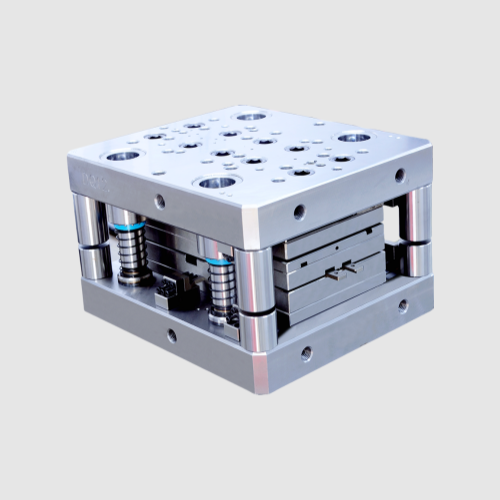
A low surface roughness (Ra 0.2–0.6 µm) on the shear face facilitates a clean, crisp cut, while a controlled micro-chamfer enhances cutting edge durability. Simultaneously, bearing surfaces require a delicate balance between smoothness and lubricant retention to minimize friction and wear. Furthermore, the geometry of the cutting edge plays a pivotal role in determining the distribution of stress during the cutting operation.
A carefully designed micro-radius or micro-chamfer serves to prevent localized stress concentrations—conditions that frequently lead to micro-chipping of the cutting edge. In the processing of high-volume stamping dies, even minute deviations in the cutting edge treatment can lead to cumulative defects, such as burr formation and dimensional inaccuracies. Therefore, maintaining consistency in the cutting-edge geometry across all cutting components is critical for ensuring the repeatability of processing performance and minimizing the need for secondary finishing operations.
The Impact of Material Selection and Heat Treatment on the Surface Properties of Precision Stamping Die
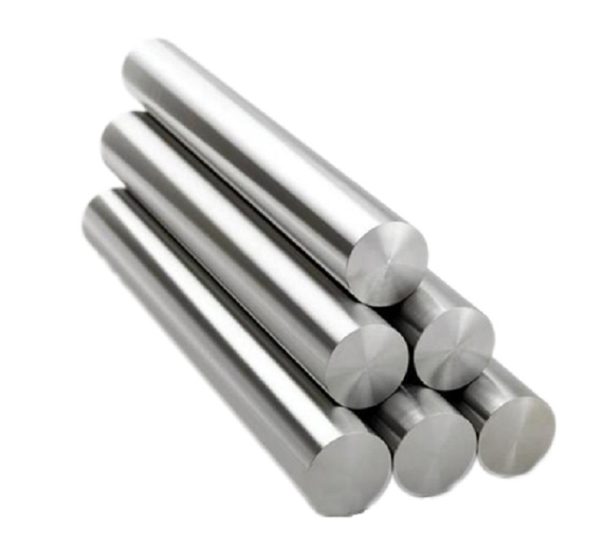
Material selection plays a decisive role in the durability of stamping dies. Cold-work tool steels—such as D2 (SKD11)—offer excellent wear resistance, while powder metallurgy steels provide superior toughness and a more uniform carbide distribution. Furthermore, engineers select appropriate materials based heavily on specific application conditions, including the type of material they stamp, the production volume, and the required precision. For instance, stamping high-strength steels requires materials with exceptional toughness to resist cracking, whereas processing abrasive materials demands higher wear resistance. By aligning material selection with operational requirements, manufacturers can significantly reduce failure rates in precision stamping die applications and enhance the overall performance of the dies.
Machining and Grinding Processes for Ensuring the Surface Integrity of Precision Stamping Die
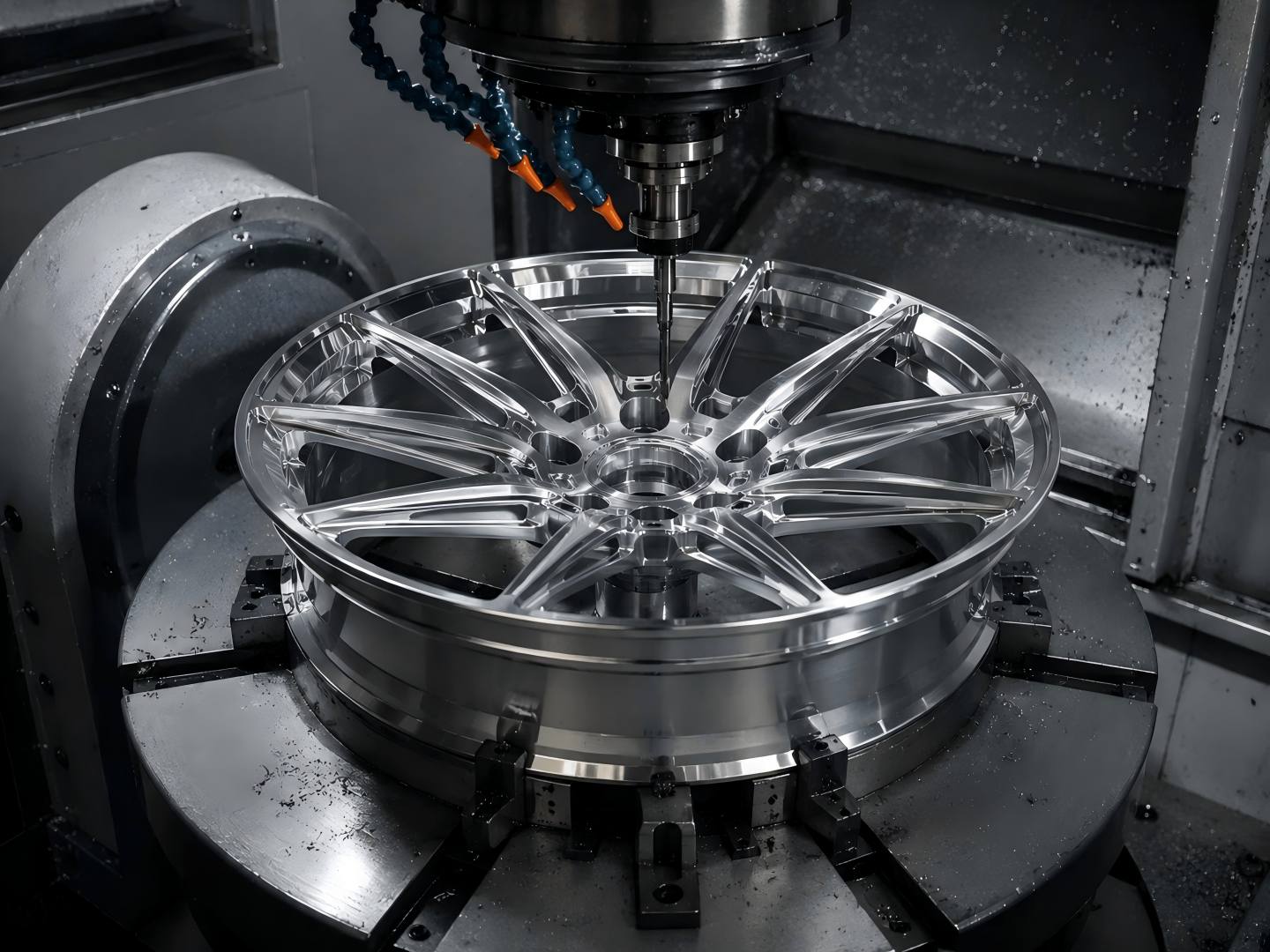
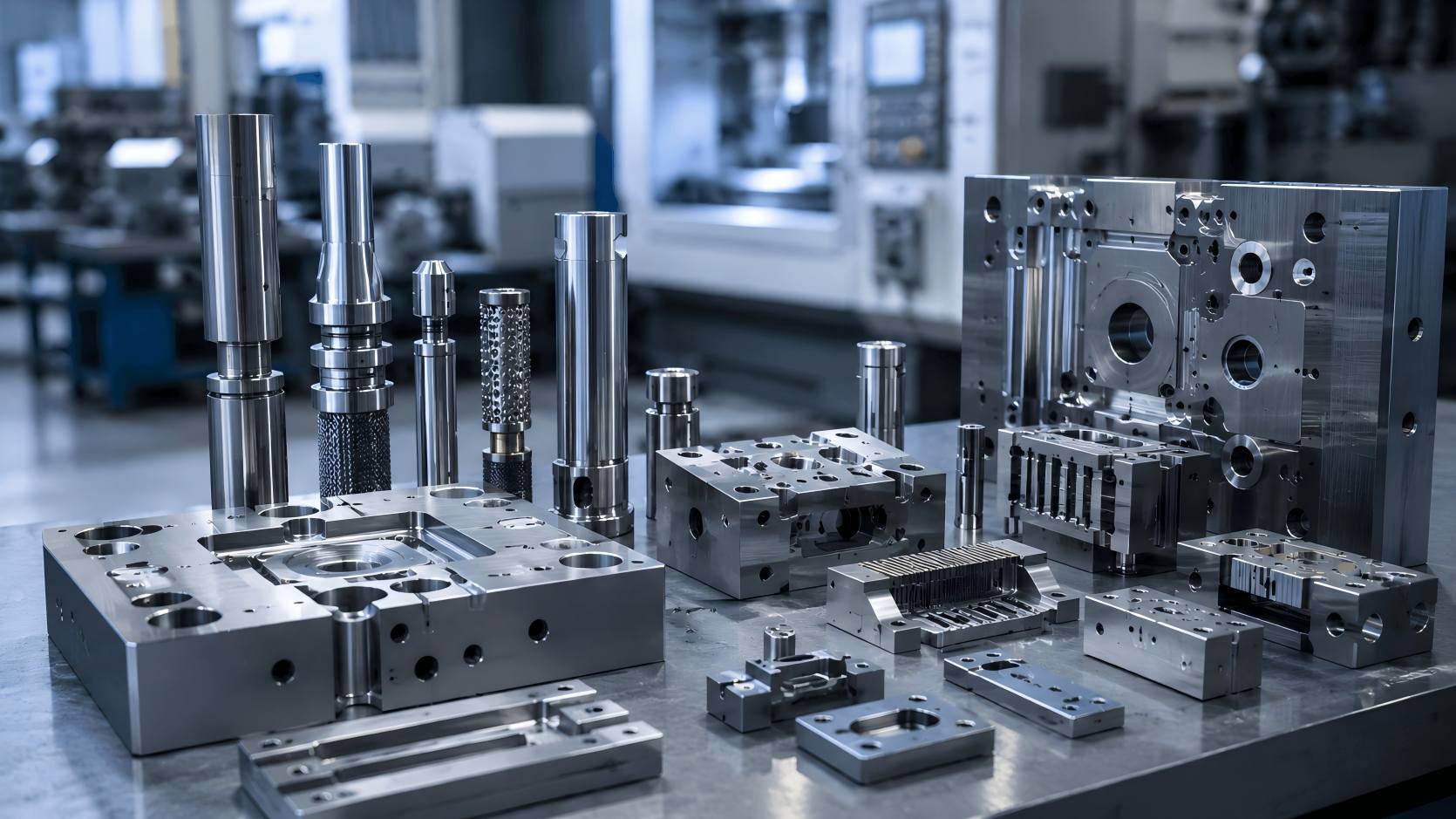
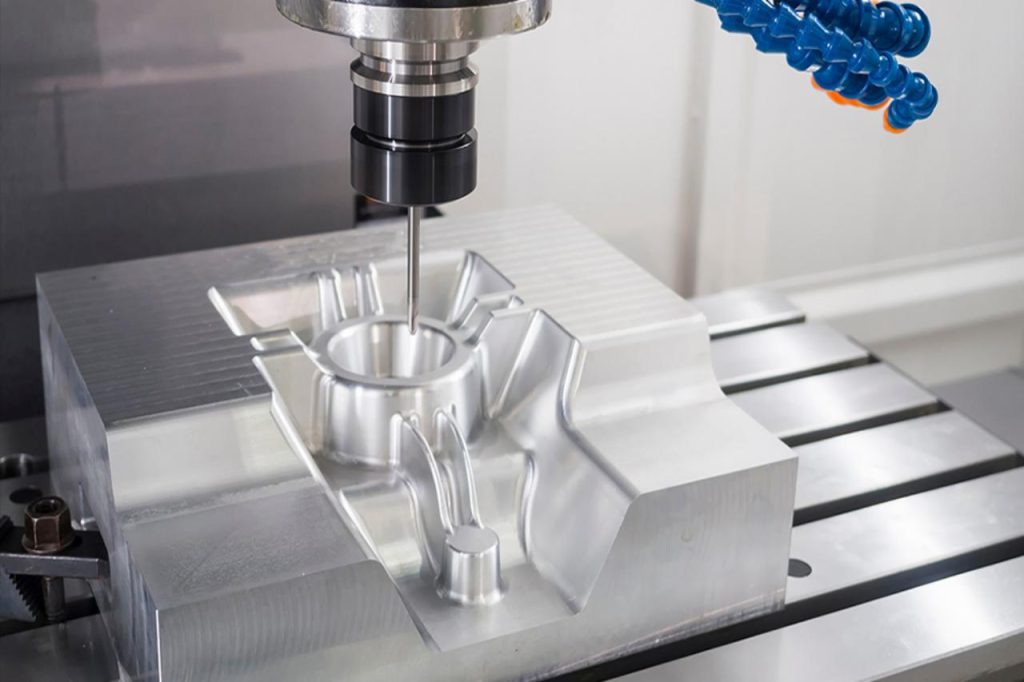
Efficient stamping die processing necessitates a comprehensive workflow ranging from rough machining to fine grinding. Minimizing clamping errors and maintaining datum consistency are key to achieving high-precision machining results. Additionally, the machining sequence must be meticulously planned to mitigate the accumulation of residual stress and prevent deformation. The use of high-quality cutting tools, optimized cutting parameters, and stable fixturing systems ensures consistent machining accuracy. In high-precision applications, even minor deviations during the machining process can lead to alignment issues during assembly, ultimately compromising the die’s performance. Consequently, adopting a systematic machining strategy is essential for producing reliable precision stamping dies.
Grinding and Edge Treatment Techniques
The use of fine abrasives for grinding, combined with controlled cooling, helps prevent thermal damage. Furthermore, micro-chamfer designs and consistent edge treatments can significantly reduce chipping and extend die life. Beyond standard grinding operations, advanced finishing techniques—such as superfinishing or lapping—can be employed to further enhance surface quality. These methods help eliminate microscopic defects and improve the consistency of the cutting edges. The proper use of coolant during the grinding process is also critical, as overheating can alter material properties and reduce hardness. By integrating precision grinding and cutting-edge treatment techniques, manufacturers can achieve exceptional surface integrity and long-term durability in stamping die applications.
Process Control, Lubrication, and Press Optimization
Appropriate die clearance and alignment are essential for minimizing burr formation. Incorrect clearance in stamping dies can lead to excessive rollover or premature wear. Furthermore, maintaining stable stamping parameters ensures consistent production conditions; variations in these parameters can result in unstable cutting performance and increased tool stress. Regular calibration and monitoring of stamping equipment are vital for sustaining optimal performance. By controlling these variables, manufacturers can significantly reduce defects and enhance the processing efficiency of precision stamping dies.
Achieving Long-Term Excellence Through Surface Finishing
The performance of precision stamping dies is not determined by a single factor, but rather stems from the meticulous integration of various elements—including material selection, die machining, surface finishing, and operational control. To effectively minimize burrs and wear, a systematic strategy must be adopted that spans every stage: from controlling machining precision and applying coating technologies to optimizing process workflows and managing the entire product lifecycle. Crucially, achieving sustained success in precision stamping die applications demands an unwavering commitment to excellence in every detail at every stage. From achieving the appropriate surface roughness and cutting-edge geometry to selecting suitable heat treatment processes and applying advanced surface coating technologies, every decision exerts a critical influence on the overall stability and durability of the die.