
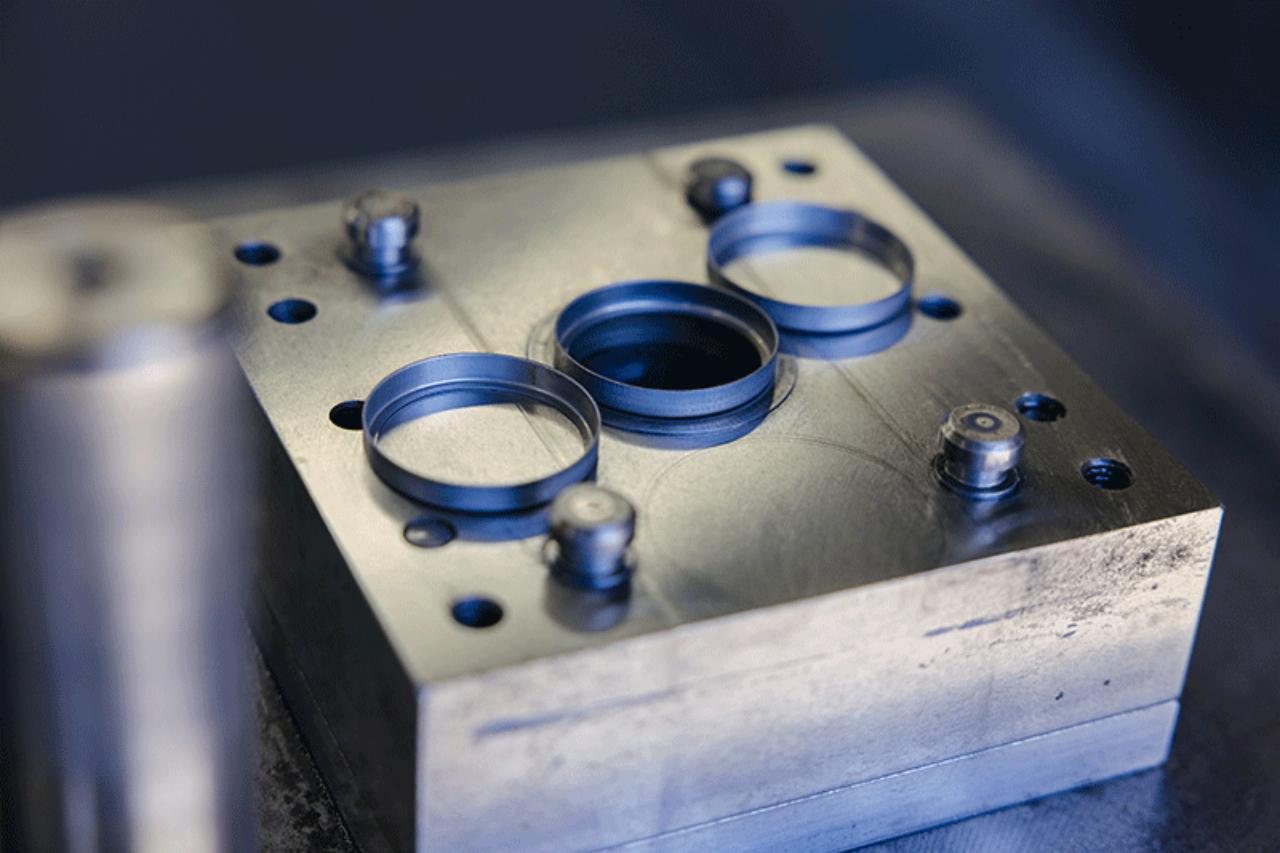
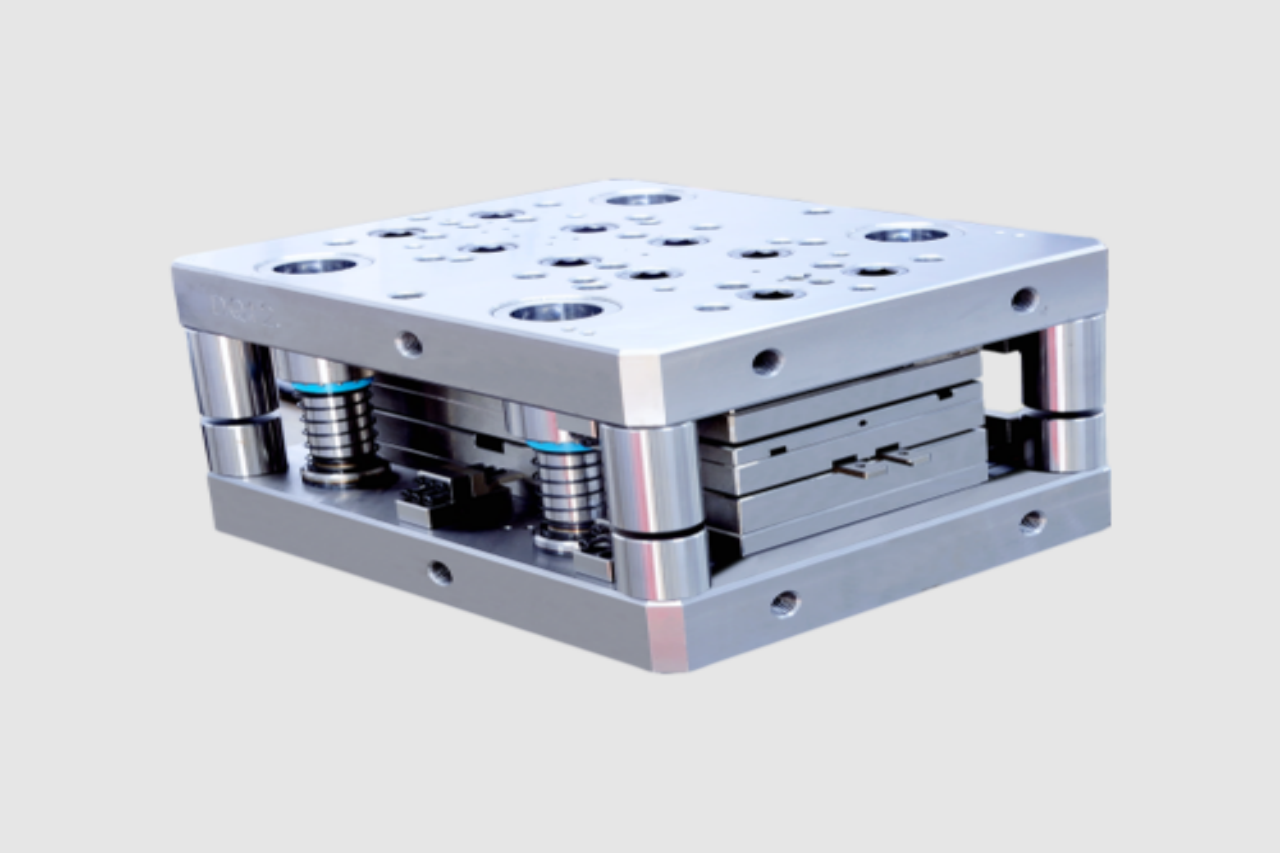
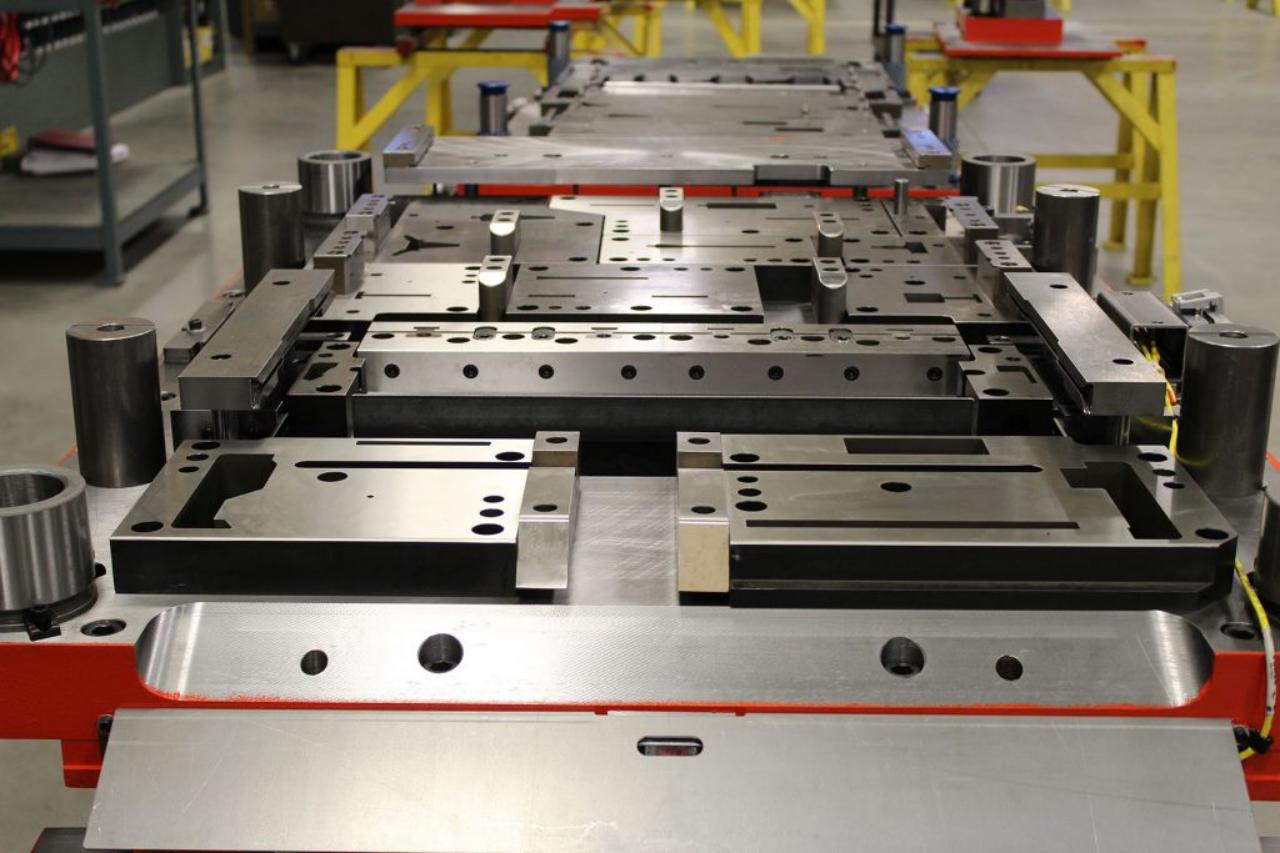
The die base is not merely a supporting structure; it is the foundation for maintaining the alignment, stability, and efficient operation of the entire stamping system. If the die base wears out too quickly, other components of the die will be affected—guide rails will loosen, precision will decrease, burrs will increase, and maintenance costs will rise. In mass production, such failures are costly, reducing production efficiency and shortening die life. Therefore, surface condition, material selection, heat treatment, and finishing processes all affect the die base’s wear resistance. If the surface is too rough, friction will increase, and damage will spread more quickly. If the surface is too soft, the die base will undergo geometric deformation under load. Improper finishing can cause even high-quality steel to perform poorly in actual production. Therefore, surface finishing optimization is needed to improve wear resistance and extend service life.
Inadequate Surface Treatment Leads to Die Base Wear
The base wear is mainly caused by repeated contact between mating components. Uneven surface treatment leads to localized stress concentration, increasing friction and accelerating wear. Over time, this leads to misalignment and performance degradation. In high-load applications, the heat generated by friction further exacerbates this process, leading to microscopic material deformation. As the surface deteriorates, the stability of the contact area decreases, leading to performance instability during stamping cycles. This progressive degradation underscores the importance of a uniform surface finish in die base machining.
Surface defects, including machining marks and microscratches, can serve as initiation points for fatigue cracks. During high-cycle stamping operations, these defects propagate and compromise structural integrity. Therefore, controlling surface quality in die base machining is crucial for long-term reliability. Furthermore, cyclic stress amplifies these micro-defects, causing cracks to propagate beneath the surface. Once cracks form, this damage is difficult to detect until it affects product performance.
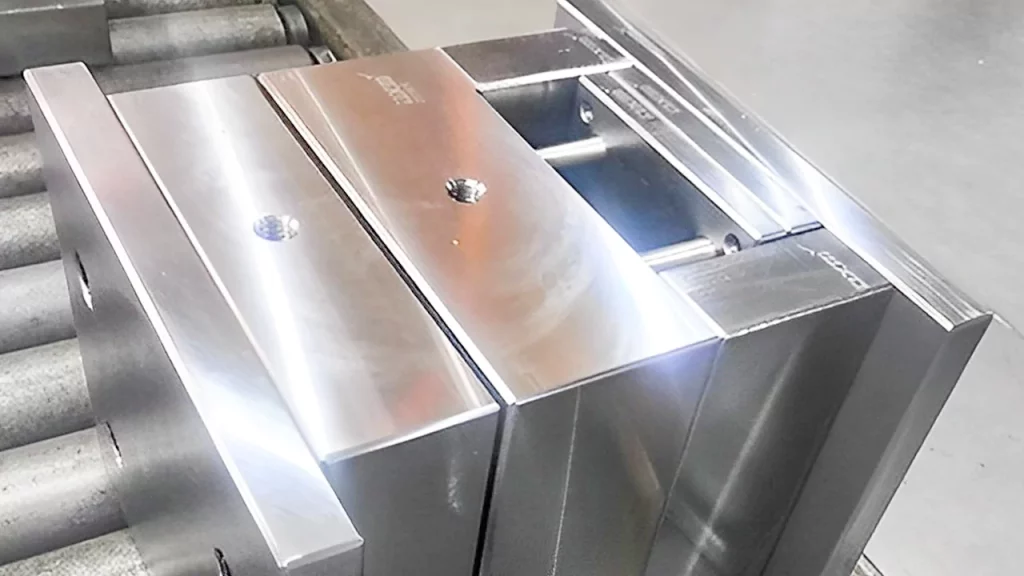
Die Base Material Selection: The Foundation of Wear Resistance
Material selection is critical in die base manufacturing. Tool steels and alloy steels must possess the hardness required for wear resistance while maintaining sufficient toughness to absorb impact. An optimal balance between hardness and toughness effectively prevents excessive wear and brittle fracture. The selection of appropriate materials also depends on the specific application environment, including load intensity, throughput, and operating conditions. Engineers must carefully evaluate these factors to ensure the die base operates reliably under actual operating conditions while avoiding unnecessary cost increases.
Heat Treatment and Dimensional Stability
Heat treatment can improve material properties but may introduce deformation. To ensure dimensional accuracy, subsequent finishing processes, such as grinding, are required. This ensures the mold base maintains its geometry under operating stresses. Furthermore, stress relief treatments can be used to minimize internal stresses that could lead to deformation during use. By combining appropriate heat treatment with precision finishing, mold base manufacturing can achieve both mechanical strength and geometric stability.
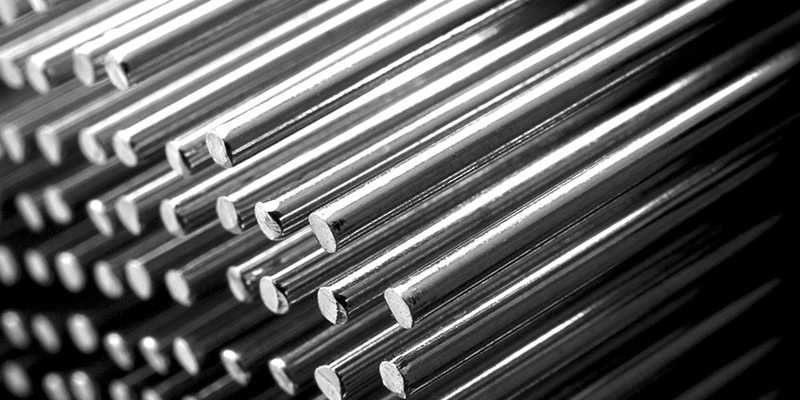
Die Base Surface Finishing Techniques: Grinding, Polishing, and Control
Grinding is the most critical finishing process in mold-based manufacturing. It ensures the flatness, parallelism, and controllable surface roughness of die bases. These factors directly affect load distribution and wear resistance. Furthermore, precision grinding enables micron-level control, which is crucial for high-precision mold systems. By achieving consistent surface quality, manufacturers can reduce friction and improve the mold base’s overall performance in demanding applications.
In addition, while polishing improves surface smoothness, over-polishing can reduce lubricant retention. Therefore, a balance of surface texture is required. In mold-based manufacturing, functional finishing prioritizes performance over appearance. Therefore, engineers typically strive to achieve an optimal surface roughness range that balances low friction and effective lubrication. This balance ensures efficient die operation and durability over extended production cycles.
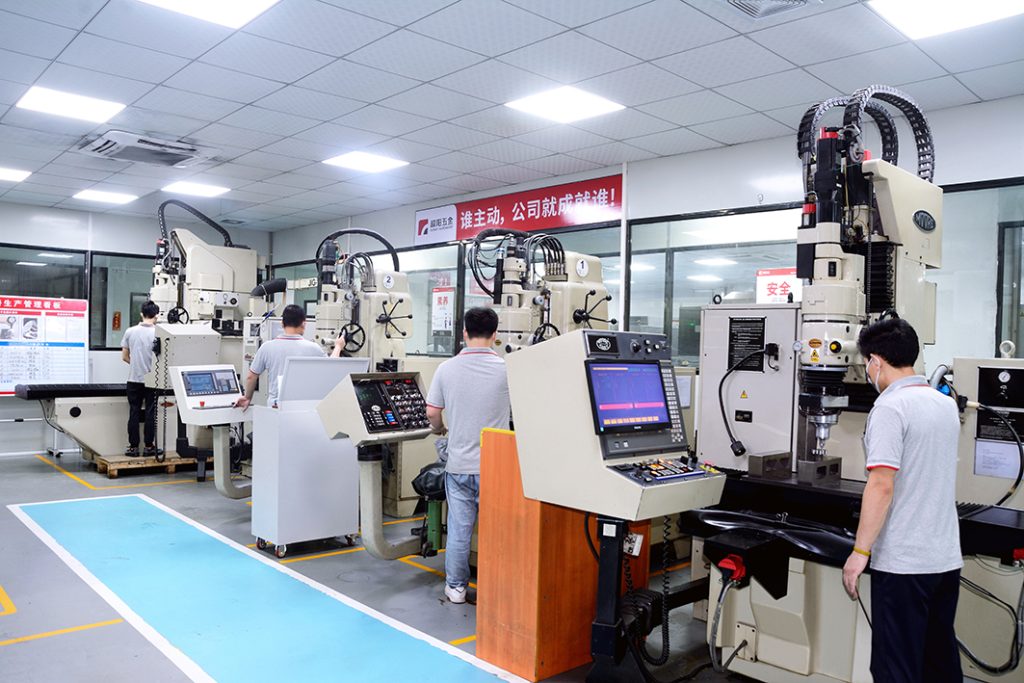
CNC Precision and Workflow Integration
CNC machining parameters—including cutting speed, feed rate, and toolpath—affect the final surface finish. Improper parameter control can lead to residual stress and surface defects, reducing wear resistance. Advanced CNC systems precisely control machining variables, enabling manufacturers to achieve consistent surface quality. By optimizing these parameters, die machining can significantly improve surface integrity and performance. Simultaneously, the sequence of machining, heat treatment, and finishing needs to be optimized. In specialized die machining, finishing is typically performed after heat treatment to ensure final dimensional accuracy and stability. By standardizing processes, manufacturers can minimize variability and ensure reliable die performance.
Optimized Surface Treatment Processes Enhance Die Life
By combining high-quality materials such as tool steel or pre-hardened alloys with advanced surface treatment processes (grinding, polishing, and surface coating), friction can be minimized, microcracks prevented, and the operational reliability of stamping dies improved. In addition, precision CNC machining, controlled lubrication, and regular inspections ensure that each mold base maintains dimensional accuracy, functional stability, and wear resistance throughout the extended production cycle.