
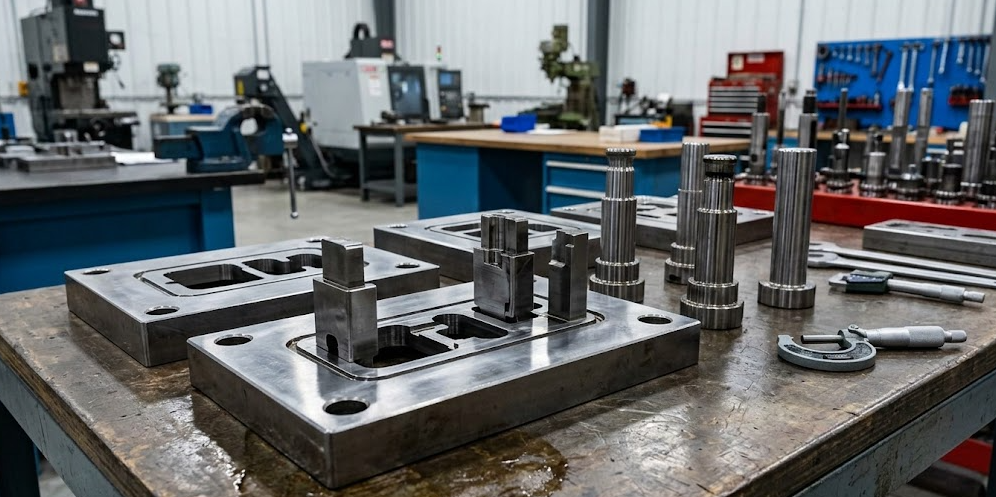
Choosing the wrong stamping dies manufacturer doesn’t just slow down a project — it can compromise part quality, blow out tooling budgets, and create production problems that take months to fix. The right manufacturer gets your geometry right the first time, holds tolerances that match your spec sheet, and builds tooling that stays functional through millions of cycles. Here is what to evaluate before you commit.
What Does a Stamping Dies Manufacturer Actually Do?
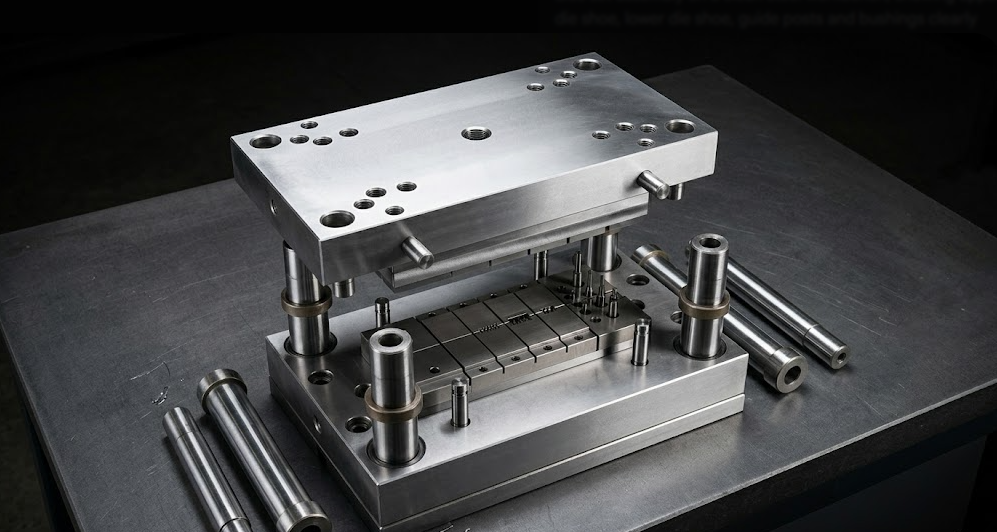
A stamping die manufacturer designs, machines, and assembles the tooling used to cut, bend, and form sheet metal into precise components. More specifically, this includes progressive dies, compound dies, blanking dies, and custom die sets built to client specifications. The quality of the die determines the quality of every part produced from it, which is why manufacturer selection matters so much upstream.
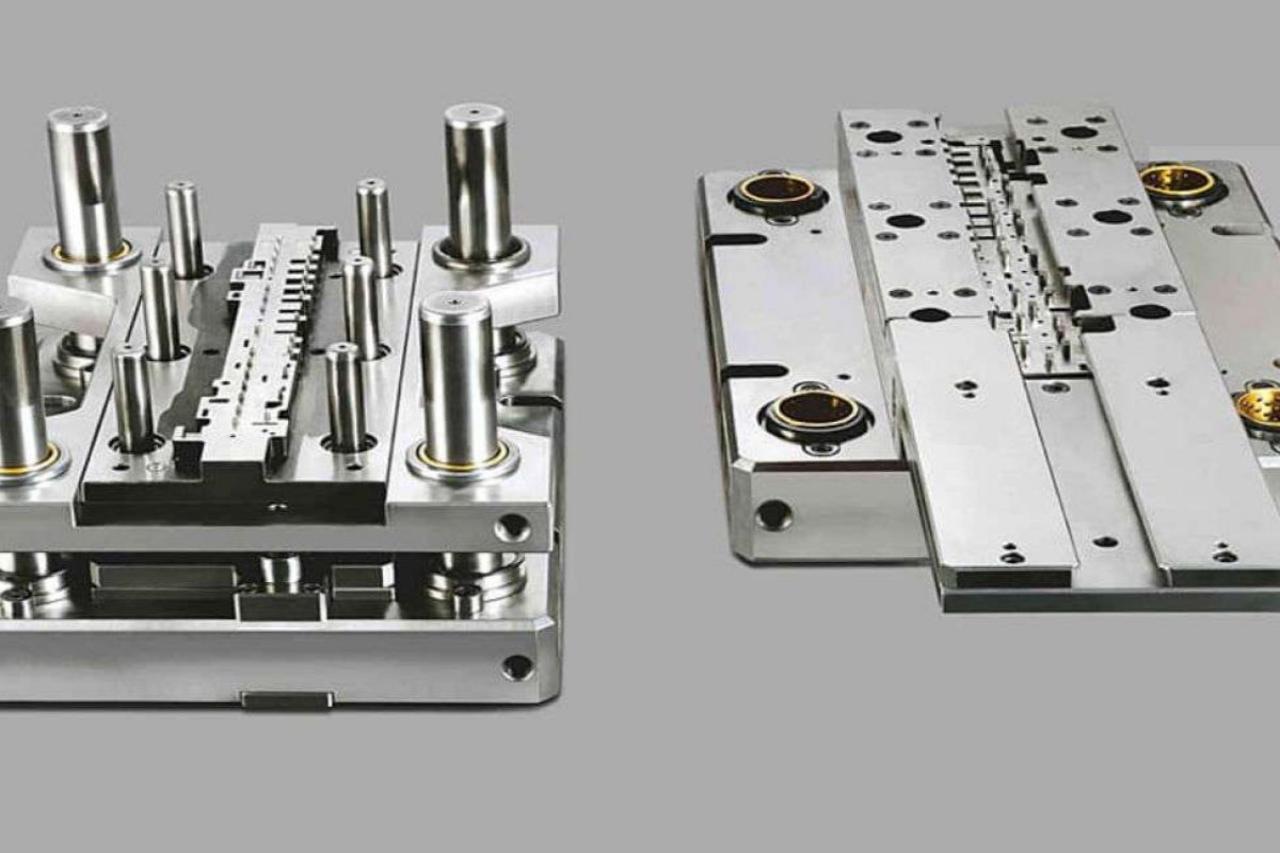
Chaoyang specializes in progressive stamping dies for industries where tolerances are unforgiving — automotive, 3C electronics, aerospace, and IC semiconductor manufacturing. In addition, material thickness ranges from 0.1 to 2.0mm, with die components made from carbide, ceramic, powder metals, or conventional tool steel, depending on the application.
What to Evaluate When Choosing a Stamping Die Manufacturer
Not all stamping die manufacturers are built the same. In fact, the gap between a capable shop and a precision-focused one shows up immediately in the tolerances they can hold and the equipment they use to hold them.
Equipment and Machining Capabilities
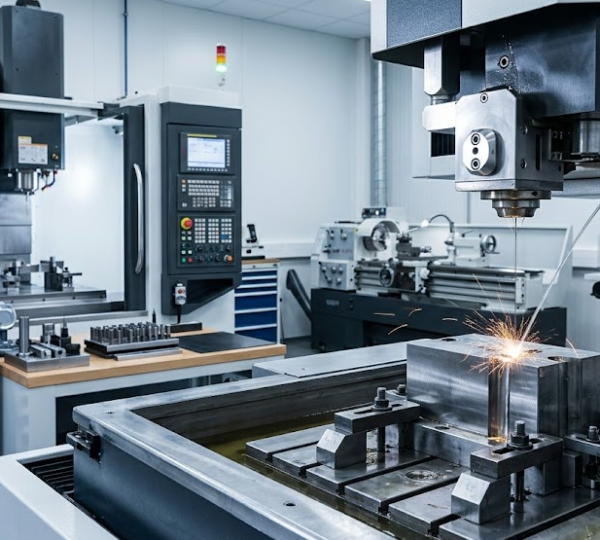
The machines on the shop floor tell you more than any brochure. A serious stamping die manufacturer invests in equipment built for sub-micron accuracy — jig grinding, profile grinding, wire EDM, CNC machining, and surface grinding at a minimum. At Chaoyang, the toolroom runs Moore Jig Grinders, WASINO Profile Grinders, Seibu Wire EDM, Sodick Oil-based Wire EDM, and AWEA CNC Machining Centers. As a result, having all of them in-house eliminates the handoff delays and tolerance stack-ups that come with outsourcing critical operations.
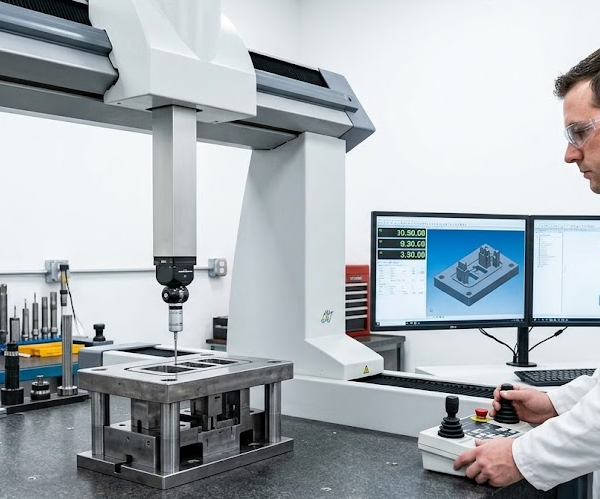
Similarly, in-house CMM and optical comparators are non-negotiable for any manufacturer claiming precision output. Without them, you are relying on the manufacturer’s word rather than traceable measurement data.
Similarly, in-house CMM and optical comparators are non-negotiable. Without them, you’re relying on the manufacturer’s word rather than traceable measurement data.
Tolerances and Material Expertise
Ask for documented tolerance capability, not just claims. Progressive dies for electronics and semiconductor applications routinely require single-digit micron tolerances. Although general machining shops can produce dies, they often lack the grinding and EDM precision needed for micro-component work. In addition, the material selection — carbide for high-wear applications, powder metals for complex geometries — directly affects tool life across high-volume runs.
Quality Certifications
ISO 9001:2015 certification is a baseline, not a differentiator. However, it confirms a documented quality management system with traceable processes. Chaoyang is ISO 9001:2015 certified across both its Dongguan and Nantong facilities. Beyond certification, look for CMM-based dimensional verification and documented tryout processes before dies ship.
Industry Experience
A stamping dies manufacturer with a narrow application history may struggle with your geometry, even if their equipment is capable. On the other hand, manufacturers with experience across automotive, aerospace, and electronics have encountered — and solved — a broader range of tooling challenges. Chaoyang has served automotive, communications, aerospace, 3C electronics, IC semiconductor, and home appliance clients since 2005.
Red Flags to Watch For
No in-house grinding or EDM means critical operations are outsourced — introducing lead time risk and tolerance uncertainty. Similarly, vague answers about measurement systems suggest quality control happens by eye rather than by instrument. In fact, an inability to provide die tryout documentation before shipment is a significant red flag for any high-volume tooling project.
Why Chaoyang
Chaoyang has been manufacturing precision stamping dies since 2005, with over 180 employees across two facilities. Visit the precision dies page for the full tooling range, and the Manufacturing Capabilities page for equipment details. The Precision Metalforming Association maintains useful industry standards on die fabrication quality.
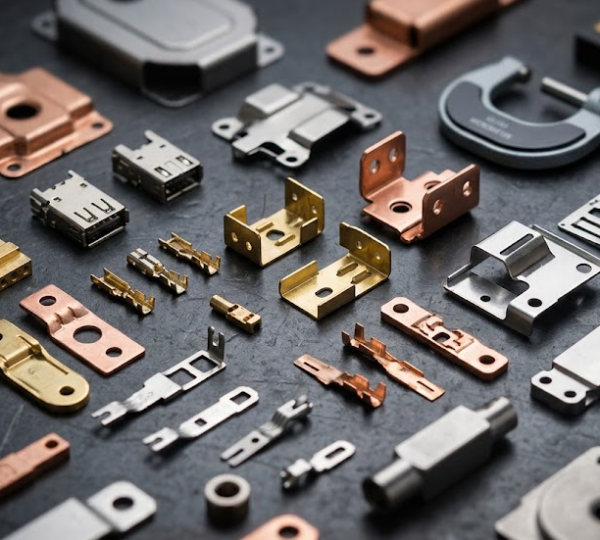
A progressive die performs multiple operations across a series of stations as the strip feeds through the press. As a result, each stroke produces a finished part. A compound die, on the other hand, performs all operations simultaneously in a single station — better suited for simpler geometries with tight concentricity requirements.
How do I evaluate a stamping dies manufacturer’s tolerance capability?
Ask for documented process capability data on your part geometry. In addition, confirm what measurement equipment they use and whether inspection reports ship with the die. A manufacturer that cannot provide CMM data cannot verify the tolerances they claim.
What materials are stamping dies made from?
Typically, hardened tool steel, carbide, ceramic, or powder metals. Although tool steel is more economical, carbide delivers significantly longer tool life for high-speed progressive dies running millions of cycles.
The right stamping die manufacturer proves capability through documented tolerances, traceable inspections, and relevant application history — not just a capabilities list. Ask the hard questions before tooling starts.