
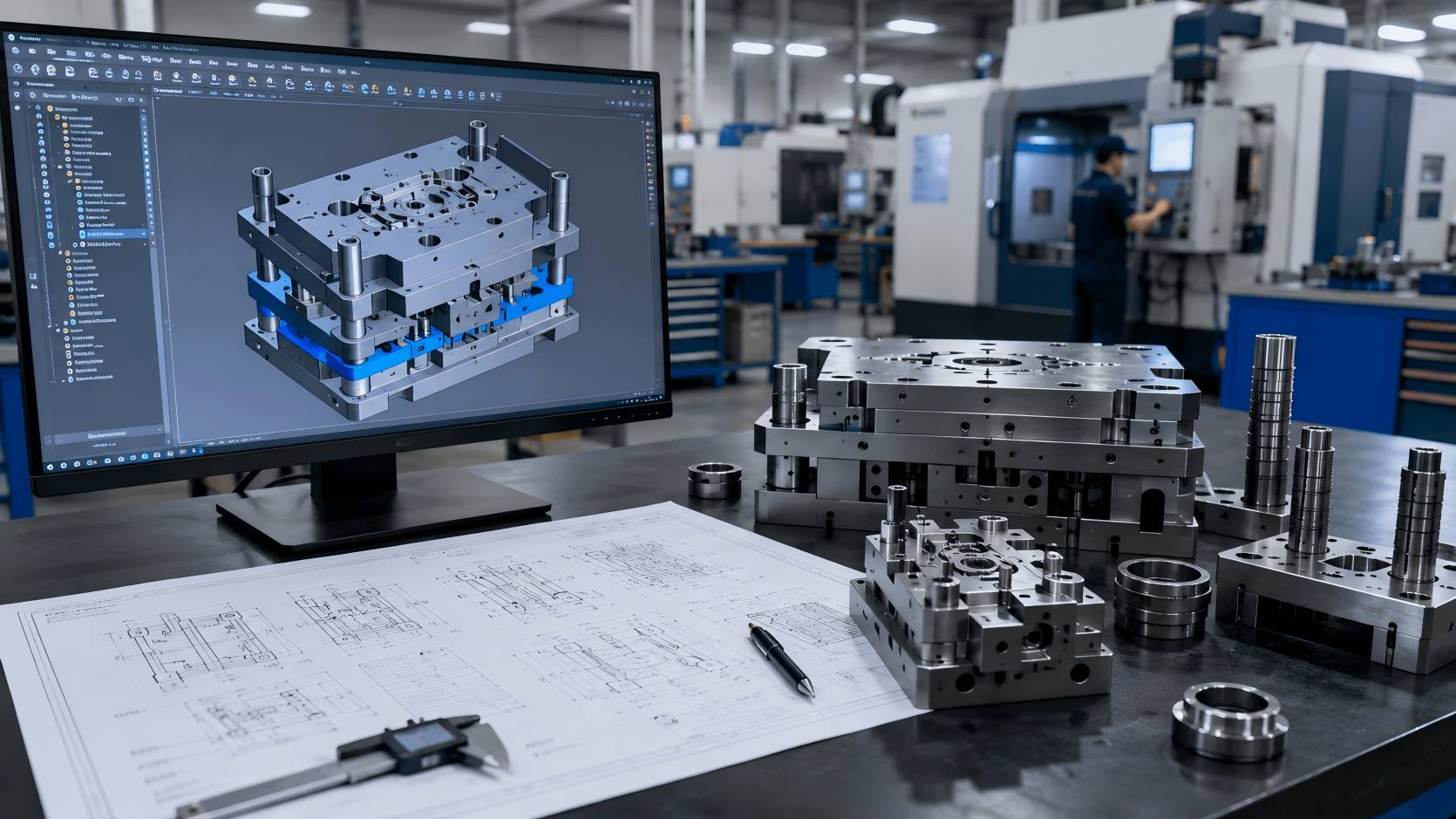
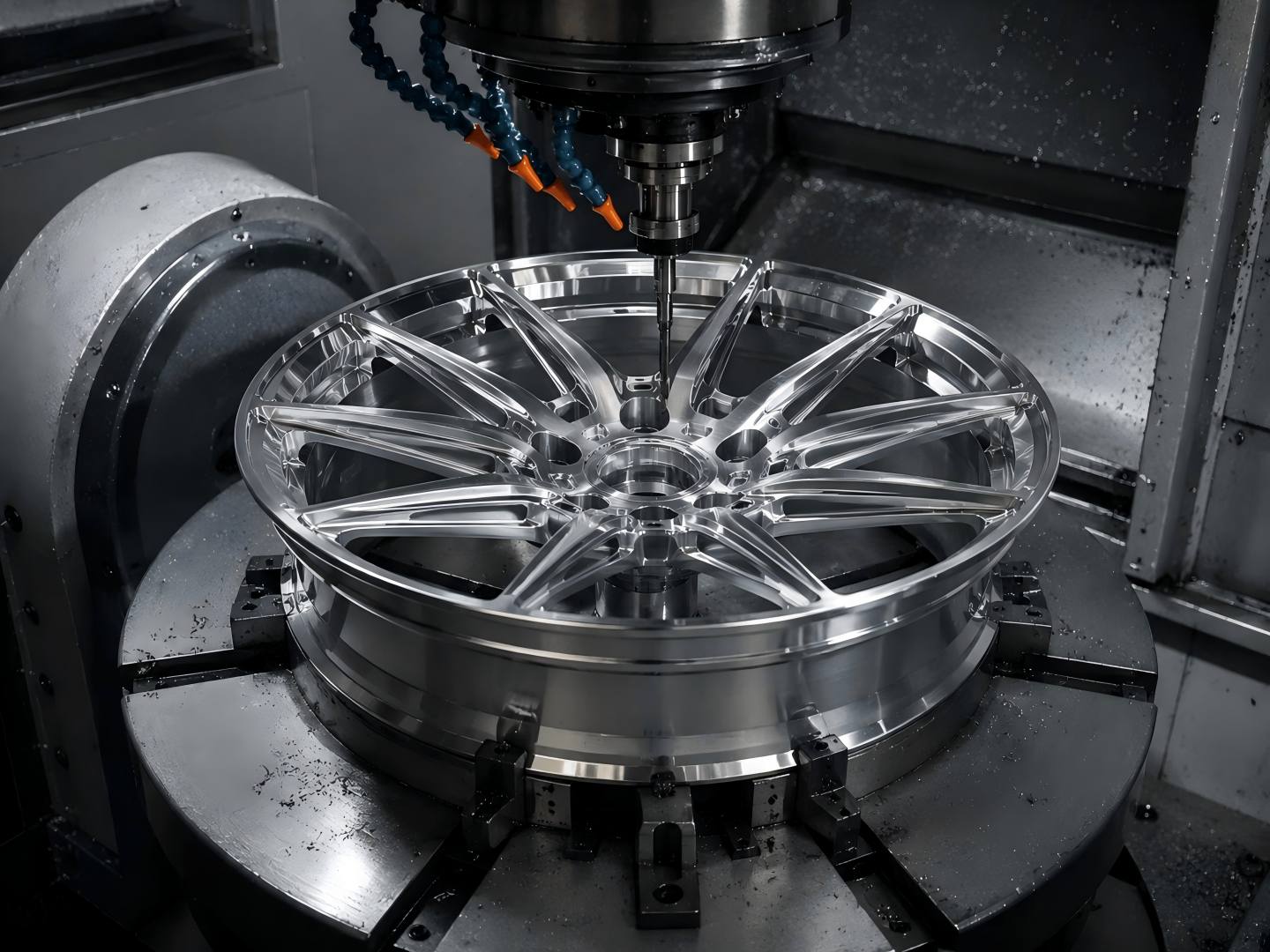
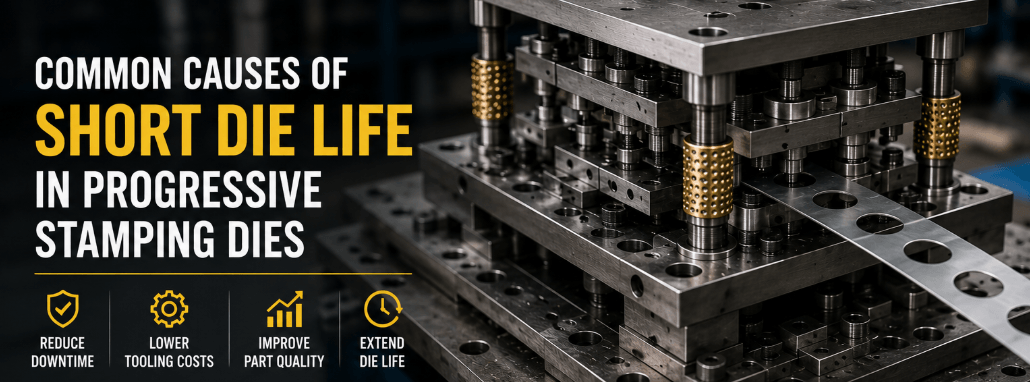
YASDA high-speed CNC machining sets a different standard for tight-tolerance parts. Most shops claim ±0.005mm. Yet few consistently deliver it. In fact, the gap between promise and delivery usually comes down to one thing: the machine on the floor. At Chaoyang, we work with manufacturers who build progressive dies and automation jigs where a 2-micron drift is a production failure. Specifically, this article answers which machine capability questions to ask—and why the answers determine your outcome.
What Makes YASDA High-speed CNC Different From Standard Machining Centers?
Three engineering decisions separate a YASDA from everything else on the market. Standard mills skip all three.
Start with the guideways. YASDA slideways are hand-scraped by craftsmen—manually lapped to sub-micron flatness, not ground by machine. That process removes the micro-stick that conventional linear guides produce at low feed rates. On a standard VMC, that stick translates directly into waviness on finish surfaces. It is a problem most shops live with. YASDA eliminates it at the source.
Thermal drift is the second issue. Run a conventional spindle for four hours, and it grows 15–20 micrometers as heat builds in the ballscrews and casting. Most machines have no answer for this. YASDA runs coolant through the spindle core and closes the loop with thermal feedback—dimensional stability holds through the full shift, not just the first setup piece.
The third factor is how the machine is built. YASDA castings are substantially heavier than the working envelope requires. That mass translates into static and dynamic stiffness that kills chatter during fine interpolation passes. A 0.003mm profile tolerance on a punch face stays within spec. For reference, ISO 286-1 places that capability at IT3 and below—a tolerance grade the vast majority of machining centers cannot reliably hold.
What Are the Red Flags When Vetting Suppliers for YASDA High-speed CNC Machining?
The market is full of general-purpose shops quoting precision-grade work. Four signals, however, tell you which is which.
Start with the equipment list. A credible high-precision shop names specific models: YASDA, Moore Jig Grinder, WASINO, and Sodick. “Advanced CNC equipment” with no brand specifics means commodity machines running tolerance-priced jobs. That gap matters more than any brochure claim.
Temperature control is the next thing to verify. Sub-micron work requires ±1°C ambient stability. A 5°C swing, for instance, introduces thermal expansion errors that invalidate micron-level measurements. If the shop floor and inspection lab are not climate-controlled, the numbers on the inspection report are therefore estimates—not measurements.
Process documentation is equally telling. A reliable precision supplier produces tool life logs, in-process inspection sheets, and job travelers for every order. Without these, however, quality depends on operator memory. That means it varies, and variance at micron-level tolerances is a rejection.
Finally, ask about outsourcing directly. Some suppliers accept precision orders and subsequently subcontract the critical operations without disclosure. The question is simple: is 100% of the machining performed in-house on your own equipment? Chain-of-custody over tight-tolerance parts breaks the moment the job leaves the facility—and with it, your quality guarantee.
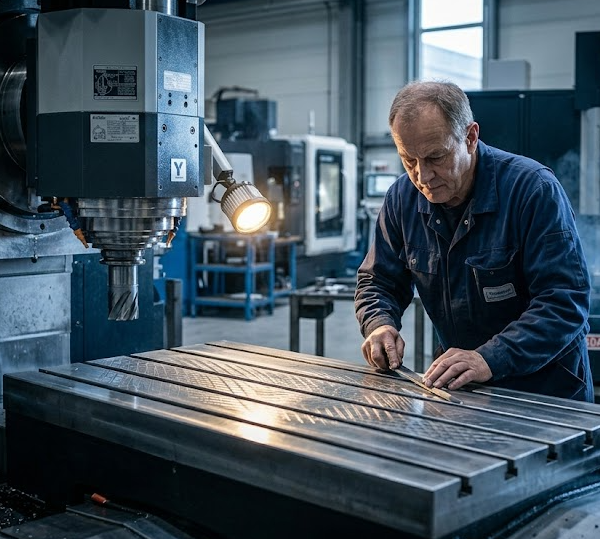
Standard CNC Milling vs. True Sub-micron Machining Services
Standard CNC milling holds ±0.01–0.05mm under normal conditions. Surface finish, accordingly, lands at Ra 0.8–1.6μm. For structural housings and brackets, that works.
True sub-micron machining, however, targets ±0.001–0.003mm with Ra 0.05–0.2μm. At this level, tool wear shifts dimensions in real time. Machine rigidity is therefore the foundation—deflection under cutting load on a light frame causes measurable error that no operator skill can recover. Moreover, thermal drift is managed actively, not tolerated.
For progressive die components, precision jig plates, and automation fixtures that mate to micron-level tolerances, only sub-micron-capable machining delivers consistent results across a full batch. In addition, ASME B89.1.12 covers the performance evaluation standards for CMM verification of such components—another layer of process your supplier must support.
How Do Elite Machine Tools Actually Lower Your Total Cost?
The objection is predictable: YASDA machining costs more per hour. That is true. It is, however, irrelevant if you calculate the cost correctly.
A supplier running general-purpose equipment on precision work typically produces 15–30% scrap on critical features. As a result, you absorb the re-run cost, the extended lead time, and—if nonconforming parts reached your assembly line—the downstream rework. The machine hour rate on the original quote then becomes a rounding error against those losses.
Parts off a YASDA, by contrast, arrive at a surface finish that needs no secondary hand-polishing on functional faces. Manual bench lapping introduces human variability. Two technicians working the same die section will, for example, produce different results. Eliminate that step, and you consequently eliminate the variability. Die life extends. Maintenance cycles lengthen accordingly.
Near-zero scrap on precision features is a direct output of machine capability. When the process holds tolerance by design—not by operator effort—inspection pass rates therefore approach 100%. You stop paying for sorting. You stop paying for expedited replacements as well.
The real question is not what the machining costs. Rather, it is what a nonconforming precision component costs once it reaches your production floor.
Which Quality Standards Must Your Precision Parts Manufacturer Hold?
Machine capability without measurement capability is a process without a feedback loop.
ISO 9001:2015 certification is the baseline. It confirms documented procedures, traceable records, structured corrective action, and scheduled management review. For procurement teams, this therefore means quality outputs are repeatable and auditable—not dependent on which shift is running.
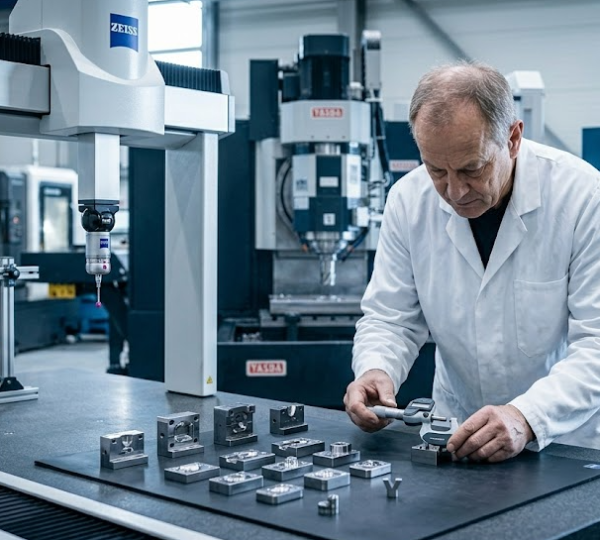
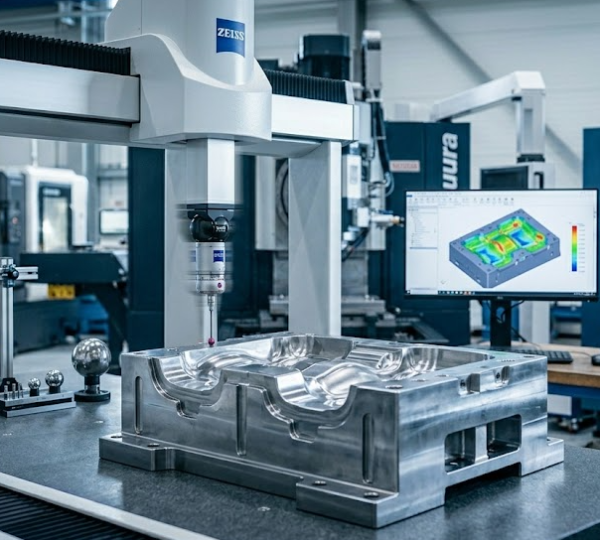
Beyond the QMS, verify the measurement hardware. Zeiss CMM systems are the global reference standard for dimensional verification of precision parts. Specifically, contact and optical probing confirm die plate profiles, punch positions, and jig datums against CAD nominal. Supporting equipment should also include height gauges, profile projectors, and measuring microscopes. A supplier measuring finished parts with calipers, consequently, cannot confirm sub-micron compliance.
The inspection environment matters too. Zeiss CMM readings are only valid at 20°C ±1°C. An uncontrolled lab, therefore, produces directional data, not metrological data. Ask for calibration certificates and ambient temperature logs as well.
Dongguan Chaoyang Hardware Products Co., Ltd. operates YASDA high-speed CNC machining centers alongside Moore JG, WASINO PG, Sodick oil-based wire EDM, and Seibu water-based wire EDM across facilities in Dongguan and Nantong. Quality verification is performed using Zeiss CMMs, Trimos height gauges, Nikon profile projectors, and Nikon measuring microscopes—all in climate-controlled laboratories. ISO 9001:2015 certified. Over 180 staff. See the full precision machining and tooling services for specifications and lead time guidance.
The machine determines the outcome. Choose the supplier with the machine to prove it.