
Stamping micro-components demands a higher level of precision and stability than standard stamping operations. Micro-parts such as miniature springs, connectors, and electronic terminals require specialized metal stamping dies; these dies must offer precise forming accuracy, repeatable tolerances, and long-term durability. In solutions tailored for stamping micro-components, meticulous design, material selection, machining processes, assembly, and inspection are essential to ensure consistent part quality. An optimal metal stamping die solution must strike a balance between speed, precision, durability, and maintainability; therefore, we will outline exactly what constitutes a comprehensive metal stamping die solution.
Design and Material Considerations for Micro Metal Stamping Die
Micro-part stamping differs significantly from traditional stamping due to the extremely small part dimensions, the thinness of the materials used, and the exceptionally tight tolerance requirements. Even a minute dimensional deviation can render a part unusable. Consequently, precision metal stamping die solutions must exhibit high repeatability, maintain shape integrity, and prevent the deformation of intricate features. Furthermore, micro-parts are highly sensitive to defects such as burrs, scratches, and surface irregularities. During production, operators need to carefully control key factors, such as die clearance, punch-to-die alignment, and strip feeding accuracy, to keep manufacturing errors to a minimum.
A deeper analysis of material behavior at the microscale is also imperative. Thin metals often exhibit greater variability regarding springback, edge cracking, and stress distribution. Before finalizing a die design, engineers must validate the forming limits through simulation or prototyping to ensure that the resulting micro-parts meet rigorous dimensional and functional specifications.
Principles of Metal Stamping Die Design
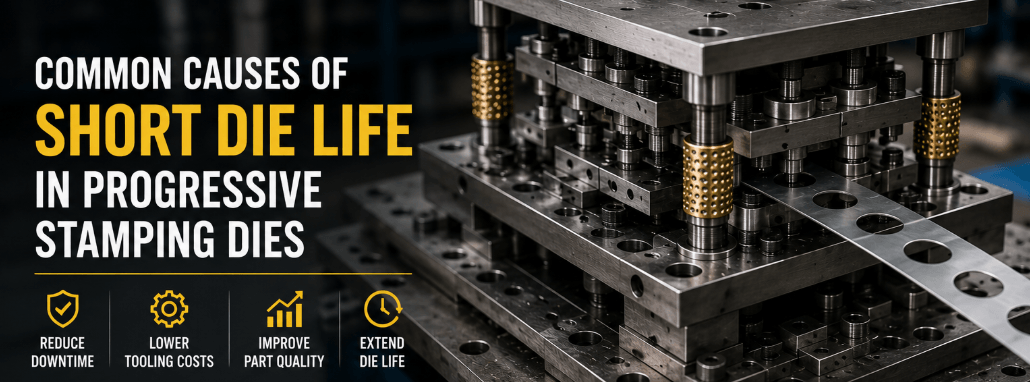
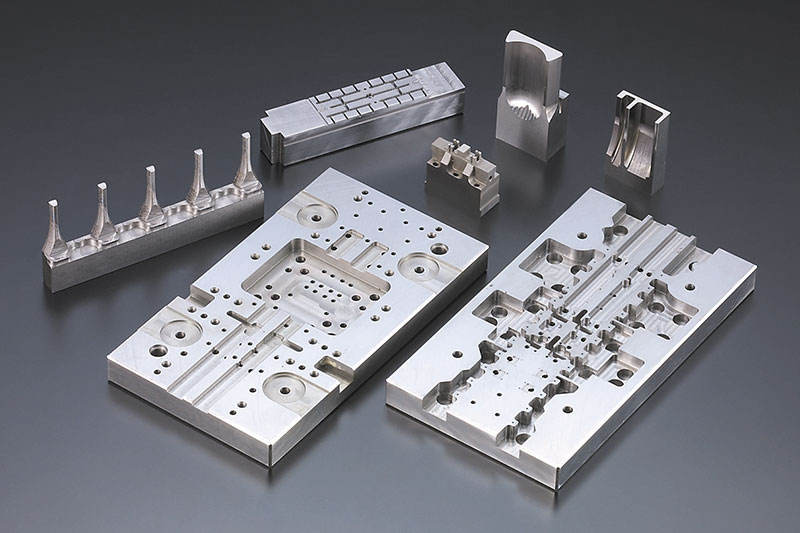
A successful metal stamping die begins with meticulous planning. The alignment of die components, the logical sequencing of operations, and ease of maintenance are critical to ensuring stable performance. Within a progressive die, each station must execute a single, distinct operation; this approach minimizes the risk of overstressing the material and preserves the integrity of the tolerances. The machining of precision metal stamping dies demands close attention to detail, encompassing factors such as edge condition, punch geometry, and blanking accuracy. The design process must also account for thermal effects, lubrication management, and stress distribution. Our ultimate goal is to produce molds capable of manufacturing highly uniform micro-parts while minimizing downtime, maintenance costs, and the likelihood of defects caused by material deformation or mold wear.
Material Selection and Surface Treatment
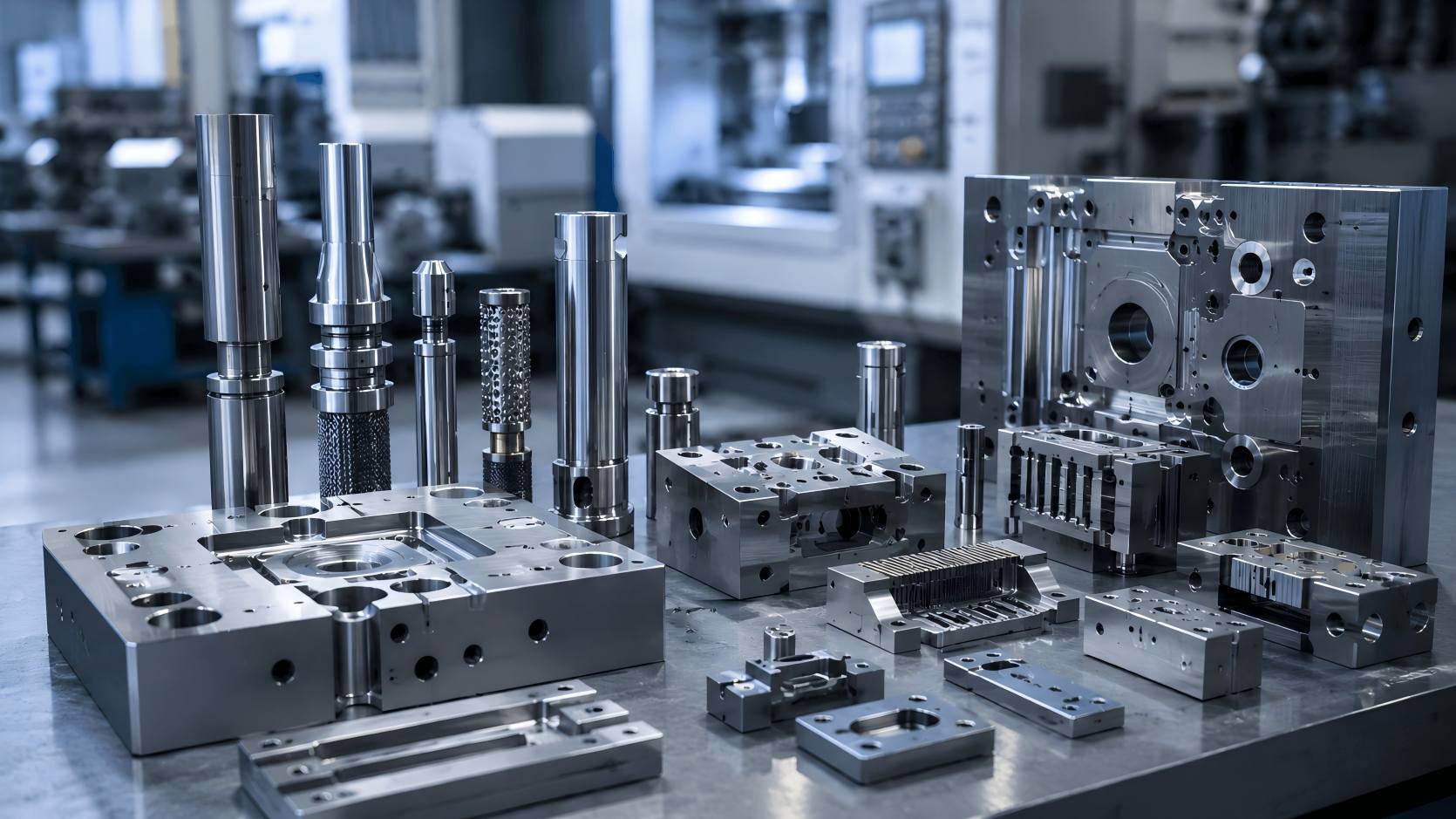
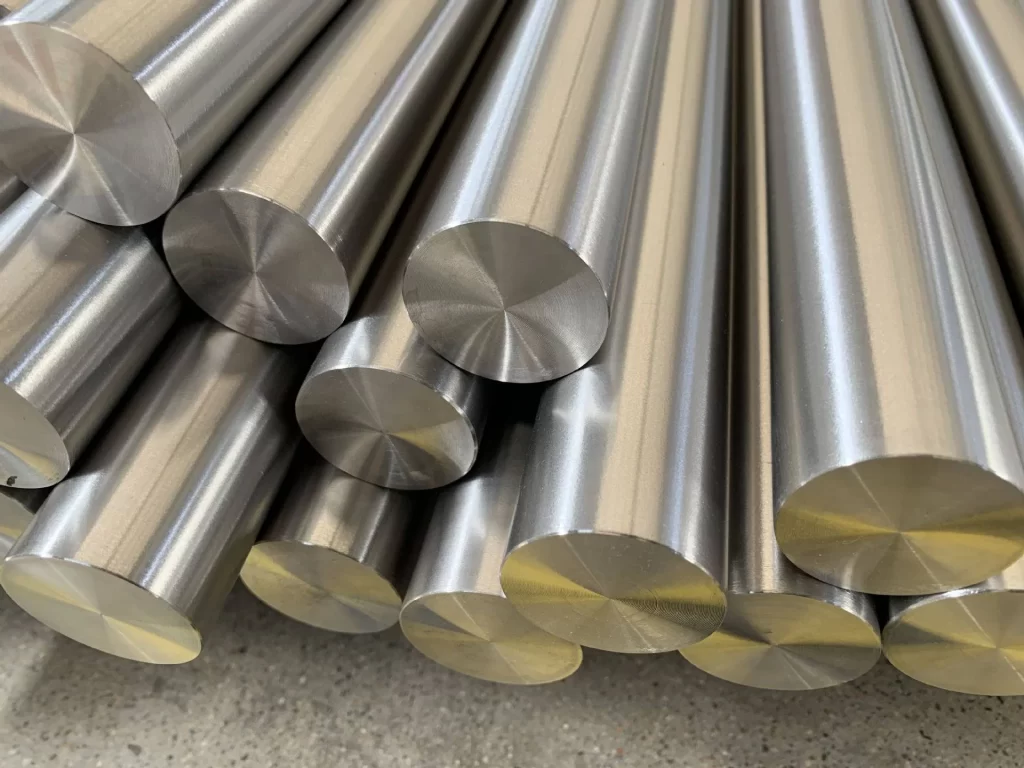
Tool steels, cemented carbides, or specially formulated wear-resistant alloys are typically employed to withstand repetitive, high-intensity operations without compromising dimensional accuracy. Surface treatments, such as nitriding, PVD coating, or specialized anti-friction finishes, help reduce wear, minimize burr formation, and facilitate part ejection during stamping. By carefully balancing material hardness, toughness, and surface characteristics, engineers can ensure the mold’s longevity over extended use. These factors are particularly critical in micro-part stamping, as even slight wear can compromise the integrity of tiny, intricate structures, leading to increased scrap rates and production downtime. Selecting the appropriate combination of substrate and coating constitutes the second step toward enhancing overall process stability. For instance, low-friction coatings can reduce heat generation during stamping, thereby helping to maintain dimensional accuracy throughout prolonged production runs.
Metal Stamping Die Manufacturing, Machining, and Process Optimization
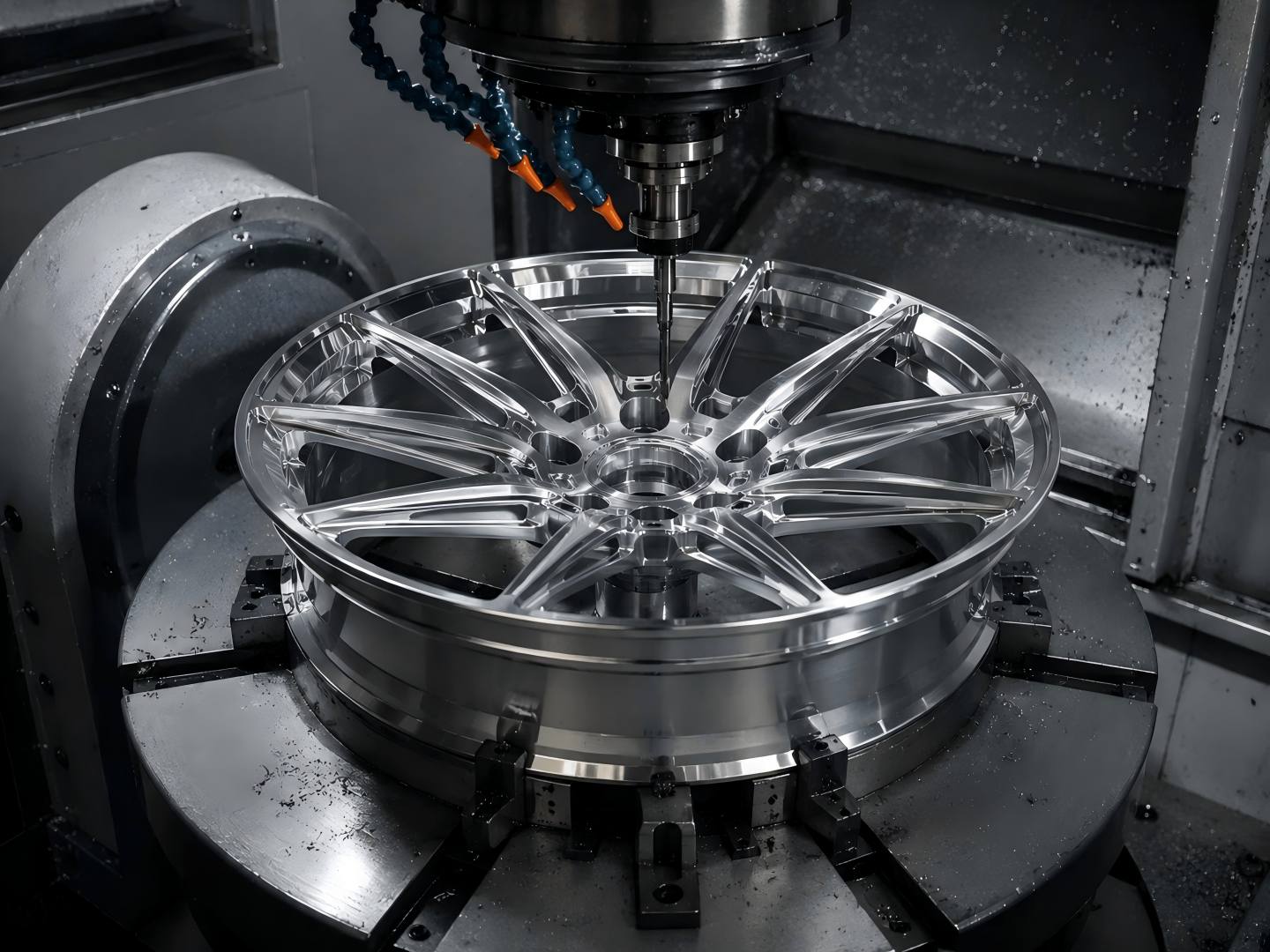
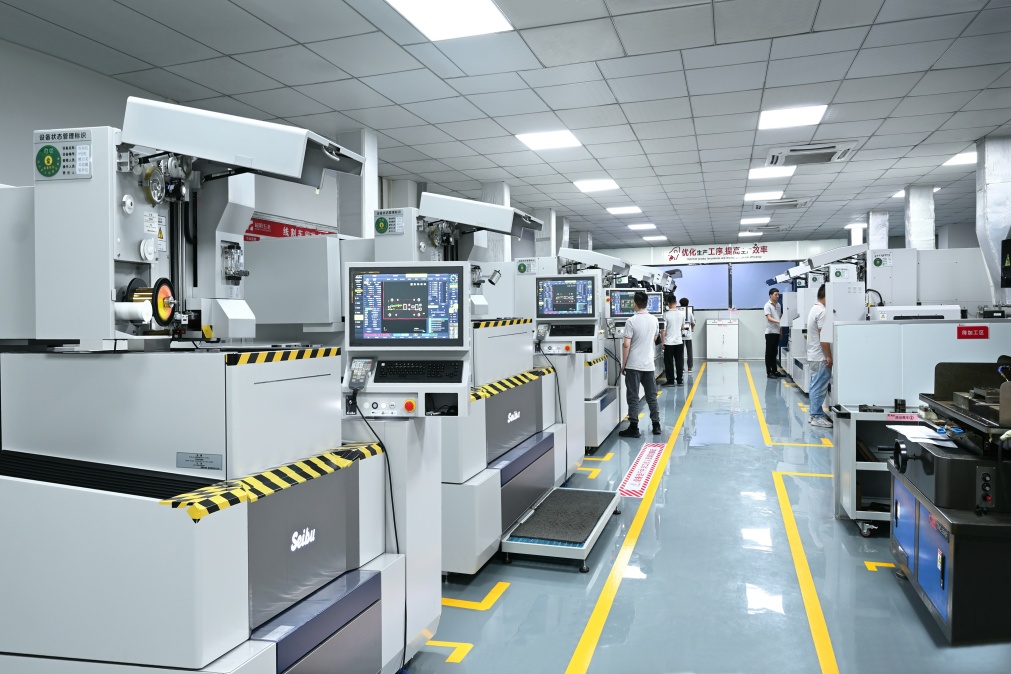
High-precision machining is the most critical phase in developing metal stamping mold solutions. Processes such as CNC milling, wire EDM, precision grinding, and lapping are widely utilized in the fabrication of micro-part molds to achieve the required tolerances. At Chaoyang, we employ custom fixtures and clamping systems to ensure stability during machining, thereby preventing deformation. By leveraging these precision-machining techniques, manufacturers can ensure that metal stamping molds reliably produce complex micro-parts in high-efficiency, high-volume production environments.
Beyond machining precision, process optimization is essential; we ensure that every machining step follows a controlled sequence to prevent error accumulation. Intermediate inspections are frequently conducted to verify dimensional compliance before proceeding to the next stage. In our machining facility, automated measurement systems are integrated directly into the workflow, further enhancing precision and efficiency.
Progressive Die Design and Feed Stability for Metal Stamping Die
Because progressive dies can perform a series of consecutive operations within a single material feed cycle, they are the ideal choice for the mass production of micro-parts. We ensure that our metal stamping die solutions incorporate precise feed control, alignment, and station sequencing to minimize errors and maintain consistency in part geometry. Our robust feeding systems reduce the likelihood of misfeeds, material stretching, and burr formation, which are particularly critical when working with thin or fragile materials. To further enhance feeding stability, our production lines typically integrate high-precision feeders, sensors, and control systems. These technologies enable real-time monitoring and adjustment, thereby ensuring operational stability. By combining mechanical precision with intelligent control systems, our metal stamping dies achieve new heights in performance and reliability.
Delivering Comprehensive, High-Quality Solutions
The stamping of micro-components relies on rigorous design, meticulous material selection, precision machining, careful assembly, and strict quality control. We view the metal stamping die as a fully integrated system, enabling us to produce high-precision micro-components with minimal waste and maximum efficiency. This comprehensive solution ensures repeatable quality, extends die lifespan, and maintains operational stability, ultimately delivering exceptional production results.