Stamping Dies

Stamping Dies
Chaoyang blog

What tool steels are used for stamping dies?

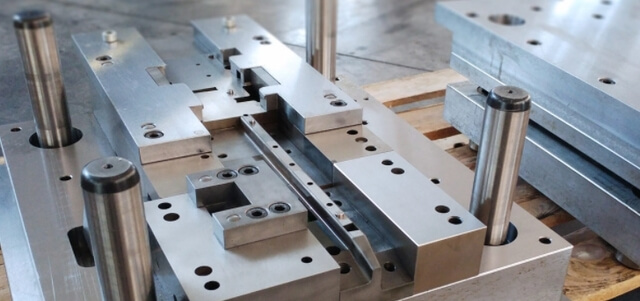
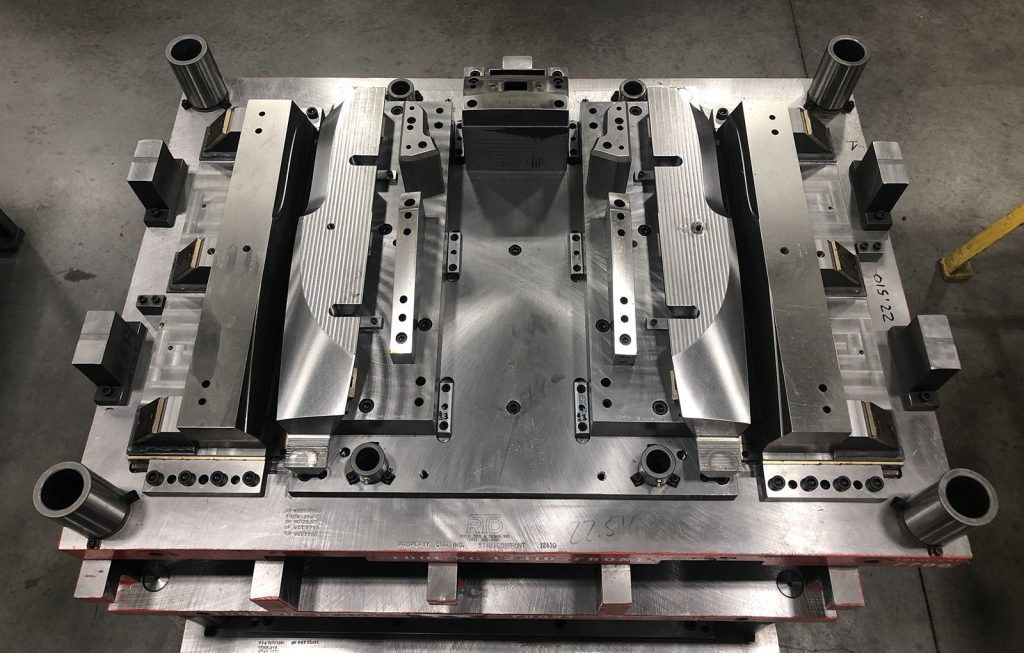
Manufacturers rely on stamping dies to create precise metal parts at scale. These dies operate under intense stress. Therefore, tool steel selection directly shapes performance, uptime, and part quality. Many engineers know the familiar names—D2, A2, or M2—but few understand why each grade behaves differently. I will now provide a detailed introduction to tool steels used in stamping dies and explain the optimal application scenarios for each type. High-Carbon High-Chromium Steel D2 tool steel remains one of the most common choices for stamping applications. It delivers high wear resistance due to its 12% chromium content. This level approaches stainless steel composition, yet D2 still offers the strength needed for cutting and forming. Shops often select it for medium- to high-volume runs. However, its toughness is mid-range. Tools may chip if the die handles thick or high-strength materials. Heat treatment also affects D2’s stability. The steel can reach 58–62 HRC, which supports long tool life in stable production environments. Oil-Hardening Tool Steel O1 is widely used for prototypes or low-volume stamping dies. It costs less than high-chromium grades and machines easily. Many tool rooms prefer O1 for quick-turn projects. Although it reaches 57–60 HRC, its wear resistance does not match that of D2 or powdered steels. It performs best with mild steels, copper, or aluminum alloys. Because O1 hardens in oil, distortion is predictable, reducing finishing time. Yet engineers must avoid using O1 in high-pressure forming or abrasive environments. It simply cannot withstand the extreme loads of advanced materials like dual-phase steel. Air-Hardening Steel A2 tool steel offers a balanced performance profile. It shows more toughness than D2 while keeping good wear resistance. Many stamping dies using A2 benefit from reduced cracking risk during edge impact or misalignment events. A2 hardens in air, reducing distortion and improving dimensional stability. Typical hardness ranges from 57–60 HRC. Shops choose A2 for forming dies, draw dies, and cutting dies that handle moderate production volumes. For teams that need a “middle-ground” steel, A2 often provides the best life-cycle cost without overspending. High-Speed Steel M2 high-speed steel is used in stamping dies when heat and abrasion dominate. It contains tungsten and molybdenum, which help the steel maintain hardness at high temperatures. Cutting edges stay sharp even under aggressive conditions. M2 reaches 60–65 HRC, exceeding the hardness of most conventional tool steels. Manufacturers use it for high-speed blanking, intricate piercing tools, and high-strength steel stamping. Its primary weakness is cost. M2 is more expensive and more complicated to machine. But for stamping dies in advanced automotive applications, the investment pays back through longer uptime. Powder Metallurgy Steels Powder-metallurgy steels such as CPM-M4 and CPM-D2 enhance performance in demanding operations. Their microstructure is uniform due to the PM process, thereby preventing the formation of large carbide clusters. This structure increases wear resistance and reduces chipping. PM steels perform exceptionally well in stamping dies used on abrasive stainless steels, electrical steel, or coated metals. They often outperform standard steels by 30–50% in tool life, according to published manufacturer data from Crucible Industries and Bohler-Uddeholm. Although the upfront cost is high, PM steels reduce unplanned downtime, which helps high-volume factories maintain delivery schedules. Shock-Resistant Steels S7 tool steel stands out when toughness matters more than wear resistance. Engineers use it for stamping dies that are exposed to repeated impacts, misfeeds, or vibration. S7 reaches about 54–56 HRC. Its lower hardness helps it absorb shock without cracking. Many tool shops use S7 for shear blades, trim dies, or forming tools in heavy-duty environments. It is also common in the production of automotive frames and chassis parts, where large panels generate high-impact forces. When a die fails due to breakage instead of wear, switching to S7 often prevents future downtime. Using Stamping Dies Choosing the right tool steel for a stamping die requires understanding the stress conditions, production volume, and material type. D2 handles wear, A2 balances toughness, M2 maintains hardness at high temperature, PM steels deliver maximum durability, and S7 absorbs impact. Each grade has a clear role. Teams that match steel properties with their actual production environment often cut maintenance costs and reduce tool failure. Because modern stamping dies face tougher metals and higher speeds, selecting the proper steel is no longer optional—it is essential for reliable, long-term manufacturing results.
Precision dies
Chaoyang blog

Stamping Dies Market Trends 2025 and How Manufacturers Are Responding

Stamping dies are the backbone of the metal forming industries. By 2025, the global manufacturing sector is expected to face higher efficiency demands, shorter product cycles, and increasingly stringent sustainability regulations. Companies in automotive, aerospace, and consumer electronics must rethink their die strategies. This article outlines market trends, data-driven insights, and how manufacturers adapt to evolving conditions. Automotive Electrification Driving Die Demand Electric vehicles reshape tooling requirements. EV battery housings, connectors, and lightweight structures require advanced stamping dies. According to MarketsandMarkets, the global EV market will reach $906 billion by 2028, growing at a 22% CAGR. This expansion increases demand for dies capable of handling aluminium and high-strength steels. Automakers like Tesla and BYD already push suppliers to deliver dies with higher durability and accuracy. These requirements are transforming the design and deployment of stamping dies. Lightweight Materials and Design Innovation Manufacturers adopt lightweight alloys to improve fuel efficiency and meet CO₂ targets. Stamping dies must now be able to handle aluminium, magnesium, and advanced high-strength steels (AHSS). However, these materials increase tool wear and require specialised coatings. According to the International Energy Agency, 70% of automakers plan to integrate more lightweight alloys by 2025. Die makers respond with optimised heat treatments and hybrid die concepts to extend tool life. The shift in material preferences directly influences the design of stamping dies. Automation and Digital Twins Automation reduces setup time and boosts throughput. Many factories now use digital twins to simulate die performance before cutting steel. Deloitte reports that 75% of manufacturers with digital twin adoption saw a 20% reduction in downtime (link). In stamping die applications, this means faster validation and fewer trial runs. Robotic integration further improves press efficiency, while predictive maintenance software extends die life. These innovative manufacturing practices are now essential for producing stamping dies. Regional Shifts and Supply Chain Adjustments The stamping die market is shifting geographically. The Asia-Pacific region leads production, but reshoring trends in the U.S. and Europe are altering global supply chains. According to Grand View Research, the Asia-Pacific region held 45% of the die demand in 2023; however, North American growth is accelerating due to reshoring policies. Manufacturers respond by building local die facilities closer to OEMs. This reduces logistics costs, supports faster iterations, and stabilises supply chains. The regional transition puts new pressures on stamping dies. Sustainability and Energy Efficiency Environmental regulations are now major drivers in the manufacturing sector. Energy-efficient stamping processes cut costs and align with corporate ESG goals. For example, Schuler Group reports that servo presses reduce energy use by up to 30% compared to mechanical presses. Additionally, coating technologies reduce the need for lubrication, thereby lowering the environmental impact. As OEMs adopt stricter sustainability metrics, stamping dies must adapt to more environmentally friendly production methods. Customisation and Shorter Product Cycles Consumer demand for faster product updates forces manufacturers to shorten die development cycles. In the consumer electronics industry, new smartphone and laptop models are launched annually. This requires stamping dies to be flexible and quickly retooled. PwC’s survey shows that 60% of manufacturers prioritise agile tooling capabilities to remain competitive. Modular die designs and precision inserts allow faster changeovers. This level of flexibility ensures stamping dies stay relevant in fast-paced markets. Investment in Skilled Workforce As automation advances, skilled engineers remain vital for the innovation of stamping dies. Toolmakers must combine traditional craftsmanship with digital tools to achieve optimal results. The U.S. Bureau of Labour Statistics notes a 3% annual increase in demand for tool and die makers through 2032. Companies invest in training to close skills gaps, especially in CNC machining, CAD/CAM, and heat treatment expertise. This human factor remains a core strength in stamping dies development. Stamping Dies Market Trends 2025 By 2025, the stamping die will be shaped by electrification, lightweight materials, digital tools, and sustainability. Verified data shows rising demand for durable, flexible, and eco-efficient dies. Manufacturers who adapt through automation, local production, and workforce investment will thrive. The future belongs to those aligning the technology with market forces. Ultimately, stamping dies remain at the heart of industrial progress.

Precision Die Stamping
Chaoyang blog

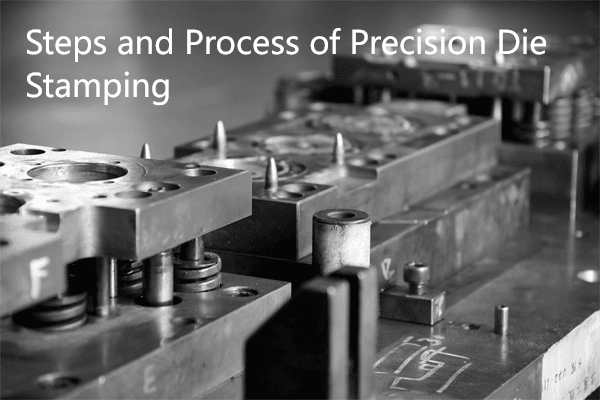
Steps and Process of Precision Die Stamping

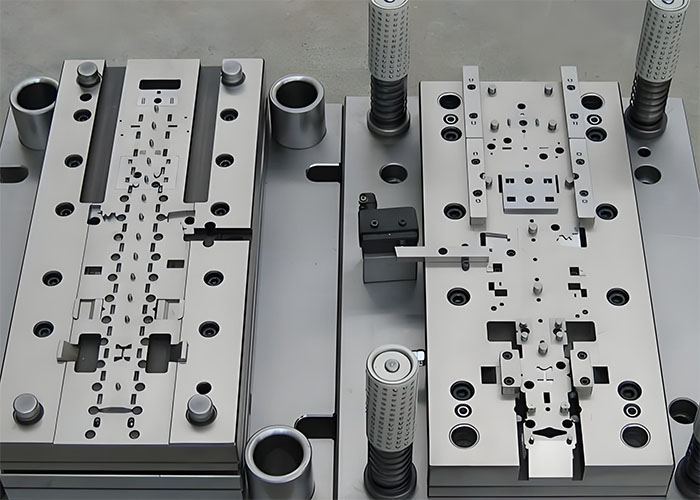
Precision die stamping transforms flat sheet metal into highly accurate, repeatable parts for a wide range of industries. It supports automotive, electronics, appliances, and industrial equipment manufacturing. The process is systematic and involves several critical stages. Each stage must be carefully controlled to reduce variation, maintain tolerances, and cut overall production costs. Understanding these steps helps both engineers and procurement teams evaluate suppliers, improve sourcing decisions, and achieve consistent results. Material selection and raw stock preparation The process always begins with the right choice of material. Engineers select metals such as stainless steel, copper, aluminum, or high-strength steel depending on the application. They also consider thickness, temper, conductivity, and corrosion resistance. After this, the supplier delivers coils or sheets to the stamping plant. Technicians then inspect for surface defects, scratches, and mill scale. In addition, they verify chemical composition and mechanical properties against specifications. Finally, they record traceability data for each lot to ensure consistent quality throughout the stamping process. Die design and engineering The die is the foundation of precision stamping, and design plays a critical role. Engineers start by analyzing part drawings and tolerance requirements. Then, they create CAD models and strip layouts. Simulation tools help predict forming challenges such as wrinkling, springback, or cracking. Designers also evaluate clearance, pilot holes, and strip progression to maximize efficiency. Moreover, they choose between progressive, compound, or transfer dies based on part geometry. A strong design reduces scrap, improves repeatability, and lowers maintenance costs over the life of the die. Die fabrication and toolmaking Once the design is approved, toolmakers begin fabrication. They use CNC machining, grinding, and EDM to cut precise cavities. High-grade tool steel is selected for its hardness and wear resistance. Heat treatment improves durability and ensures the die can withstand thousands of cycles without deformation. Toolmakers also add guide pins, bushings, and springs to maintain alignment. Skilled polishing creates smooth surfaces that protect material flow. Before final assembly, technicians inspect every die component to ensure accuracy. This step is labor-intensive but guarantees long-term stability in production. Press setup and die tryout The next stage is preparing the stamping press for production. Technicians mount the die, align it carefully, and set proper clearances. They also calibrate feed systems, ram stroke, and press tonnage. Initial trial runs help verify accuracy. Operators check part dimensions, hole quality, and surface finish. If results fall outside tolerances, engineers adjust die components or press settings. Tryouts prevent costly defects later in full production. Once approved, the die is locked into a schedule, and the press is ready for continuous operation. Production stamping and forming operations During production, metal coils are fed into the press at controlled speeds. Progressive dies may complete blanking, piercing, bending, and forming in one cycle. This increases efficiency and lowers handling costs. Operators continuously monitor scrap rate and cycle consistency. Inspectors sample parts at regular intervals to confirm tolerances. Preventive maintenance schedules ensure that tool wear does not affect quality. Automated presses can run thousands of strokes per hour, producing large quantities of accurate parts. Stable production is the most cost-effective outcome of precision stamping. Secondary operations and finishing Many stamped parts require secondary processing before they are ready for use. Deburring removes sharp edges created during cutting. Additional steps such as coining, trimming, or tapping may be needed to refine features. Surface treatments such as plating, coating, or passivation improve corrosion resistance and appearance. Automated washing removes oils and debris before packaging. Some parts also undergo welding or sub-assembly for integration into larger systems. By completing these operations, manufacturers improve performance, extend lifespan, and meet exact customer requirements more effectively. Inspection, testing, and quality control Inspection ensures stamped parts match the design intent. Teams use calipers, micrometers, and gauges for standard checks. For complex components, coordinate measuring machines verify critical dimensions. Statistical process control helps track key variables across shifts. Functional tests, such as insertion or electrical checks, confirm performance. Inspectors document results and enforce traceability. When defects appear, corrective actions are applied immediately. This disciplined approach prevents failures from reaching customers. Consistent inspection builds trust, reduces returns, and strengthens supplier relationships in competitive markets. Steps and Process of Precision Die Stamping Each stage builds on the one before it, creating a complete workflow. First, material choice sets the foundation for quality. Next, precise design ensures efficiency and durability. Fabrication delivers accurate dies capable of long service life. Press setup and tryout eliminate early issues. Production stamping creates volume with speed and precision. Secondary finishing adds value, while inspection ensures only approved parts leave the factory.

Precision Grinding Tools
Chaoyang blog

Precision Grinding Tools and Their Role in Reducing Material Waste

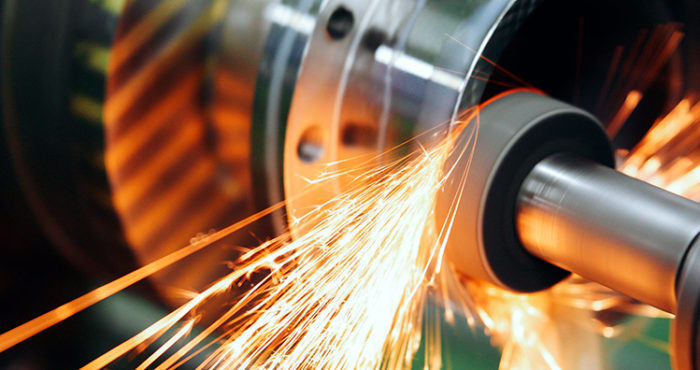
Precision grinding tools are essential in modern manufacturing. They provide accurate, consistent surface finishing, which reduces material waste. By controlling tolerances tightly, these tools prevent overcutting or scrapping. Industries such as automotive, aerospace, and electronics rely on them for cost efficiency. Moreover, precision grinding improves part quality while extending the lifespan of equipment. The combination of accuracy and reliability makes these tools a key factor in sustainable production. Enhanced Accuracy and Consistency One of the main advantages of precision grinding tools is their accuracy. Tight tolerances ensure components meet specifications without unnecessary material removal. This consistency reduces the need for rework and lowers scrap rates. Additionally, precision tools maintain surface integrity, preventing defects and improving performance. By delivering predictable results, manufacturers can plan production more efficiently. High-quality precision grinding also allows integration with stamping dies, ensuring consistent dimensions across complex parts. Reducing Over-Machining and Scrap Over-machining is a common source of material waste. A Precision grinding tool minimises waste by removing only the necessary amount of material, ensuring optimal efficiency. Unlike traditional machining, these tools achieve fine cuts and smooth finishes. As a result, less raw material is discarded, which lowers overall costs. Furthermore, reduced scrap contributes to sustainability goals. Manufacturers save resources, cut expenses, and maintain a smaller environmental footprint by using precision grinding instead of rough machining methods. Improved Surface Finish and Quality Surface finish impacts both functionality and aesthetics. Precision grinding tools achieve smooth, even surfaces with minimal defects. This quality reduces the risk of rejected parts and improves assembly efficiency. For high-performance components, such as those used in aerospace or automotive applications, a precise surface finish ensures a proper fit and reduces wear. Consequently, manufacturers avoid wasting materials on defective components. Moreover, combining precision tools with stamping dies enhances surface uniformity, further reducing material waste. Optimising Tool Life and Efficiency Tool longevity is another critical factor. Precision grinding tools are designed to maintain their sharpness and accuracy over extended periods of time. A longer tool life means fewer replacements, which reduces downtime and associated waste. Proper tool maintenance and selection prevent chipping or uneven wear. Consequently, manufacturers maximise efficiency while minimising the number of worn-out tools discarded. Integrating precision tools into regular maintenance schedules also ensures consistent production quality. Integration with Automation Systems Modern production often uses automated grinding systems. Precision grinding tools fit seamlessly with CNC machines and robotic cells. Automation ensures repeatable cuts with minimal human error. This precision lowers material loss during high-volume production runs. Moreover, automated systems can monitor tool wear in real time, alerting operators before defects occur. Integrating stamping dies with automated grinding further enhances accuracy and reduces material waste consistently across large batches. Material-Specific Grinding Strategies Different materials respond differently to grinding. Precision tools enable manufacturers to adjust speed, feed, and pressure according to the material type. Metals, composites, and alloys require unique approaches to prevent excessive wear or damage. By fine-tuning grinding parameters, manufacturers reduce scrap and improve yield. Using the right combination of precision tools and stamping dies ensures each material is handled optimally. Consequently, waste is minimised without sacrificing quality or performance. Cost Savings and Sustainable Production Reducing material waste directly impacts cost savings. Less scrap means lower raw material expenses and fewer disposal requirements. Precision grinding tools help manufacturers achieve sustainable production by maximising yield and efficiency. Additionally, they reduce energy consumption compared to rough machining, as less material is removed per operation. Companies that implement precision tools effectively can achieve both financial and environmental benefits. This approach makes production more efficient, competitive, and eco-friendly. Precision Grinding Tools and Material Waste Reduction Precision Grinding Tools play a crucial role in reducing material waste. They provide enhanced accuracy, consistent surface quality, and optimised tool life. By integrating precision tools with stamping dies and automated systems, manufacturers minimise scrap and over-machining. Material-specific strategies further improve yield while maintaining performance standards. These tools not only save costs but also support sustainable production practices.

Chaoyang blog

What are the different types of metal stamping dies?

Metal stamping dies are essential tools in the manufacturing process. They shape, cut, and form sheet metal into precision components. Choosing the right die depends on part design, production volume, material type, and required tolerances. Using an inappropriate die can lead to defects, material waste, and production delays. To avoid mistakes in die selection, read this article, which will explain the main types of metal stamping dies, their functions, and typical applications. Blanking Dies Blanking dies cut flat shapes from sheet metal. The cut piece, known as a blank, becomes the workpiece for subsequent operations. Blanking is widely used in the automotive, electronics, and appliance industries. These dies provide consistent dimensions, reducing material waste. In high-volume production, they improve speed and cost efficiency. Modern blanking dies often incorporate precision features, including die guides and ejectors, to prevent sticking and enhance accuracy. Selecting the right punch and die clearance ensures clean cuts and longer die life. Piercing Dies Piercing dies create holes or openings in sheet metal by removing material from it. They are used for mounting holes, slots, and ventilation patterns. Piercing can be combined with blanking in progressive tools to increase efficiency. Proper design prevents burrs, ensuring components fit correctly in assemblies. Piercing dies may include pilots, knockouts, and stripper plates for consistent operation. They are critical in industries where precision holes determine the final assembly performance, such as electronics or automotive brackets. Forming Dies Forming dies bend or stretch metal into desired shapes without removing material. They are used for flanges, channels, and curved profiles. Aerospace, automotive, and appliance industries rely on forming dies to produce structural components. Consistent bends reduce stress concentration and prevent cracking. Forming dies may use multiple stations or adjustable stops to maintain uniformity. Lubrication and proper press tonnage are crucial in avoiding springback and achieving a superior surface finish. Selecting the right material thickness and die geometry ensures repeatable results. Drawing Dies Drawing dies pull sheet metal into a cavity to create deep, hollow parts. They are used for cans, sinks, automotive panels, and complex enclosures. Controlling the flow of metal prevents tearing and wrinkling. Drawing dies can operate in single-stage or multi-stage processes, depending on the depth and complexity of the part being produced. Lubrication, punch-die clearance, and speed are critical factors. Multi-stage drawing dies gradually form parts, reducing stress and extending die life. Proper maintenance, including polishing and inspection, ensures consistent output and prevents defects from occurring. Progressive Dies Progressive dies combine multiple operations into a single die set. Each station performs a step, such as blanking, piercing, and forming. The strip advances with every press stroke, producing finished parts at the end. Progressive dies reduce handling, increase speed, and are ideal for small to medium components. They allow tight tolerances and consistent quality in high-volume production. Modern progressive dies incorporate guides, feeders, and sensors to enhance automation and accuracy. Automotive connectors, brackets, and electronic components widely use them. Compound Dies Compound dies perform two or more operations in a single stroke, typically blanking and piercing. Unlike progressive dies, all actions occur in a single station. Flat parts requiring precise alignment between holes and outer shapes suit them well. Compound dies reduce the number of press strokes, improve efficiency, and maintain tight tolerances. They require precise setup, robust materials, and careful maintenance. Typical applications include washers, gaskets, and simple mounting brackets where repeatability is critical. Transfer Dies Transfer dies move individual blanks between stations with a mechanical transfer system. Each station performs a different operation, such as forming, drawing, or bending. They handle larger or more complex parts that progressive dies cannot accommodate. Transfer dies offer flexibility in complex designs and enable multiple operations without requiring manual handling. These dies are essential in heavy-gauge stamping and automotive body panels. Automation integration reduces cycle times, improves safety, and ensures part consistency across production batches. Conclusion on Metal Stamping Dies A Metal stamping die encompasses a range of types, including blanking, piercing, forming, drawing, progressive, compound, and transfer dies. Each type serves a specific role in shaping sheet metal and improving production efficiency. Selecting the right die depends on the part’s geometry, material, production volume, and the required tolerances. Understanding these types helps manufacturers optimise processes, reduce costs, and maintain high-quality output. Proper design, testing, and maintenance ensure long-term performance and reliability from metal stamping dies, supporting both small and large-scale production.

Stamping Dies
Chaoyang blog

Why Automotive Manufacturers Rely on High Accuracy Stamping Dies?

The precision of parts is critical in the automotive industry. Stamping dies are used to form metal parts that must meet tight tolerances, especially in high-volume production. Automakers can rely on high-precision stamping dies to ensure that each part meets engineering specifications. The consistency of these processes reduces assembly errors and improves overall product quality while minimizing production delays. Enhancing Structural Integrity Through Precise Stamping Vehicle safety depends heavily on the strength of its structural components. The stamping die must deliver parts with precise dimensional control to ensure a seamless fit. High-accuracy stamping dies enable manufacturers to maintain the integrity of crumple zones and frame components without deviation, thereby supporting critical safety features. Additionally, uniform thickness across each stamped part contributes to improved crash performance and more even load distribution. Precise dies ensure that reinforcements, brackets, and pillars perform under pressure. This reliability becomes especially vital in meeting evolving safety regulations across global markets and satisfying insurance rating criteria. Efficiency Gains in Mass Production Automotive production lines operate at immense speed, and downtime is costly. High-accuracy stamping dies help maintain uptime by providing longer tool life and reducing maintenance requirements. When dies consistently produce exact parts, operators spend less time correcting misalignments or adjusting downstream processes. Furthermore, precision tooling minimises scrap material, reducing waste and improving sustainability. Manufacturers also gain efficiencies in quality control as fewer parts fall outside tolerance bands. These gains compound over long production cycles, making precision dies a sound long-term investment for high-output operations. Supporting Lightweighting and Material Innovation The shift toward lightweight vehicles demands more than just new materials. It requires dies capable of processing aluminium, high-strength steel, and composites without compromise. High-accuracy stamping dies are specifically designed for this challenge, providing the rigidity and fine-tuning required for non-traditional metals and complex shapes. In parallel, new materials introduce more variation in spring back and forming behaviour. Precision dies help mitigate these issues through advanced modelling and tighter manufacturing tolerances. This capability enables automakers to pursue innovation without sacrificing manufacturability or repeatability in the process. Compatibility with Automation and Robotics Automation continues to reshape automotive assembly, from robotic welding to automated stamping cells. High-accuracy dies fit perfectly into this evolving ecosystem. Their precision ensures that robotic arms can predictably handle parts without adjustment or cycle-time delays. Also, consistency in part dimensions improves throughput in automated stations and reduces false rejections. Sensors and vision systems rely on uniformity, and precision dies support that reliability. As automation becomes increasingly advanced and data-driven, the demand for compatible tooling also grows in parallel. Cost Savings Through Tool Longevity Tooling costs are a significant factor in automotive production budgets. High-accuracy stamping dies, though more expensive upfront, offer better durability and long-term performance. They maintain tolerances longer, reducing the need for frequent refurbishment or replacement over the product lifecycle. This extended tool life also reduces line interruptions and unscheduled maintenance. Less frequent die changes mean more continuous operation and fewer calibration runs. Over time, these savings outweigh initial costs, especially for high-volume platforms that run for years with minimal changeovers. Tailored Solutions for OEM-Specific Needs No two automotive manufacturers are the same. Each has unique design priorities, part geometries, and volume expectations. High-accuracy stamping dies can be customized to meet these exact needs with engineered solutions. From CAD design to final hardening, die shops offer tailored workflows for OEMs worldwide. Moreover, precision tooling supports tighter integration between design and manufacturing teams. As vehicle platforms become increasingly complex, this alignment helps reduce development cycles and time to launch. The result is a competitive advantage in a fast-moving and innovation-driven market. The Impact of Stamping Dies on Car Manufacturing As the automotive industry accelerates toward electrification, autonomous driving technology, and greener practices, the role of precision stamping dies remains significant. From achieving lightweight body structures to meeting stringent crash safety standards to ensuring seamless integration with robotic assembly lines, precision stamping dies are essential.

Scroll to Top