Stamping Die Manufacturer Chaoyang Invests in Advanced Equipment and Technical Talent
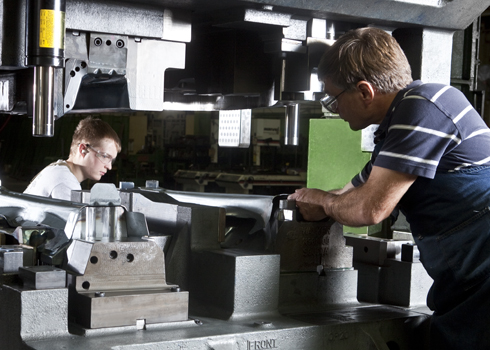
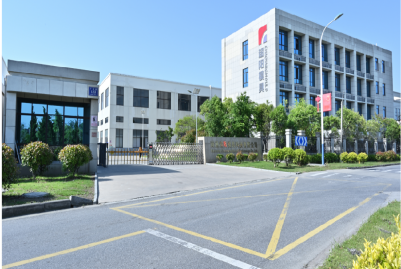
Over the past year, customer demand for high-precision tooling has increased significantly and lead times have shortened. Tolerance requirements tightened. Project complexity rose across multiple industries. To respond effectively, Chaoyang made a decisive move. We expanded both equipment capacity and technical talent across our facilities. As a long-term stamping die manufacturer, we understand one truth. Capacity growth must never compromise quality. That principle guided every investment decision. Instead of incremental upgrades, we focused on meaningful expansion. The goal was simple. Deliver higher precision, larger working ranges, and faster turnaround without sacrificing consistency. Strategic Investment in High-End Equipment In 2025, Chaoyang invested RMB 18 million (approximately USD 2.58 million) in advanced precision-machining equipment. This investment targeted three core objectives. First, meet stricter tolerance and longer stroke requirements. Second, significantly expand production capacity. Third, shorten delivery times while maintaining quality stability. High-end equipment allows process capability improvement at scale. Precision no longer depends on a single machine or operator. It becomes repeatable across shifts and locations. For customers, this means predictable quality. For us, it strengthens our position as a reliable stamping die manufacturer supporting demanding global programs. Expanded Wire EDM Capacity in Dongguan Our Dongguan facility received the largest equipment upgrade. We added multiple high-performance wire EDM machines to support the production of complex die components and precision inserts. The additions include one Seibu MM50UP with a 400 × 500 mm stroke and one Seibu M75B with a 500 × 750 mm stroke. These machines handle larger tooling components with higher accuracy. We also added two Seibu M35HP machines and six Seibu M50HP machines. These units provide flexible capacity for both medium and high-volume precision work. This expansion improves throughput immediately. It also increases scheduling flexibility for urgent projects. Coordinate Grinding Capability for Ultra-High Accuracy Precision stamping dies often require micron-level accuracy. Coordinate grinding remains critical for such work. To strengthen this capability, Dongguan added two coordinate grinding machines. We installed one JG 450CP with a 270 × 460 mm stroke and one JG 500CP with a 300 × 500 mm stroke. These machines support precision hole grinding, profile accuracy, and tight positional tolerances. Coordinate grinding enhances die alignment, punch guidance, and long-term tool stability. For customers, it translates into better part consistency and longer die life. For a stamping die manufacturer, this capability separates standard tooling from high-end solutions. Nantong Facility Expansion for Balanced Production To support growing demand and balance workloads, Nantong Chaoyang also expanded its equipment base. This site now operates four additional Seibu M50HP wire EDM machines with a 400 × 500 mm stroke. We also added a JG 450CP coordinate grinding machine. This expansion allows parallel production between Dongguan and Nantong. It improves lead time control. It also reduces risk from single-site bottlenecks. Customers benefit from stable delivery even during peak demand periods. Our dual-facility strategy strengthens resilience and scalability. Technical Team Expansion to Support Advanced Processes Equipment alone does not guarantee precision. Skilled people make the difference. Alongside machine investment, Chaoyang expanded its technical team by 30 experienced professionals. These additions include wire EDM specialists, grinding technicians, CNC machinists, and process engineers. Each new team member underwent structured training. We aligned them with our ISO 9001:2015 quality system and internal process standards. This talent expansion ensures new equipment operates at full capability. It also strengthens process optimization, troubleshooting, and continuous improvement across projects. What This Expansion Means for Customers For customers, this expansion delivers tangible benefits. We now support tighter tolerances and longer stroke requirements with greater confidence. Production capacity increased significantly across critical processes. Lead times shortened without increasing quality risk. More importantly, consistency improved. With standardized equipment and trained personnel, results remain stable from prototype to production. As a stamping die manufacturer serving global clients, this consistency builds trust. Customers can scale programs faster. The engineering changes process runs smoothly. Urgent schedules become manageable. Looking Ahead as a Trusted Stamping Die Manufacturer This expansion marks a milestone, not an endpoint. Chaoyang continues to invest in precision machining, tooling technology, and people. Our focus remains clear. Deliver reliable, high-accuracy tooling solutions for demanding applications. Since 2005, we have grown with our customers. From Dongguan to Nantong, from small teams to over 160 employees, the mission stays the same. Precision first. Quality always. For stamping die manufacturers, sustainable growth comes from long-term capability-building. This expansion ensures we are ready for the next stage of customer demand.