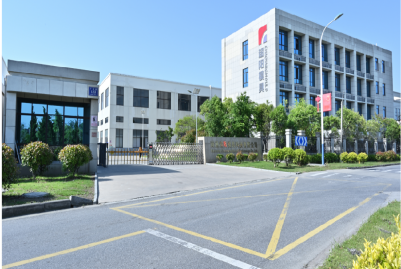
stamping die manufacturer

超阳外景2
Chaoyang blog

Stamping Die Manufacturer Chaoyang Invests in Advanced Equipment and Technical Talent

Over the past year, customer demand for high-precision tooling has increased significantly and lead times have shortened. Tolerance requirements tightened. Project complexity rose across multiple industries. To respond effectively, Chaoyang made a decisive move. We expanded both equipment capacity and technical talent across our facilities. As a long-term stamping die manufacturer, we understand one truth. Capacity growth must never compromise quality. That principle guided every investment decision. Instead of incremental upgrades, we focused on meaningful expansion. The goal was simple. Deliver higher precision, larger working ranges, and faster turnaround without sacrificing consistency. Strategic Investment in High-End Equipment In 2025, Chaoyang invested RMB 18 million (approximately USD 2.58 million) in advanced precision-machining equipment. This investment targeted three core objectives. First, meet stricter tolerance and longer stroke requirements. Second, significantly expand production capacity. Third, shorten delivery times while maintaining quality stability. High-end equipment allows process capability improvement at scale. Precision no longer depends on a single machine or operator. It becomes repeatable across shifts and locations. For customers, this means predictable quality. For us, it strengthens our position as a reliable stamping die manufacturer supporting demanding global programs. Expanded Wire EDM Capacity in Dongguan Our Dongguan facility received the largest equipment upgrade. We added multiple high-performance wire EDM machines to support the production of complex die components and precision inserts. The additions include one Seibu MM50UP with a 400 × 500 mm stroke and one Seibu M75B with a 500 × 750 mm stroke. These machines handle larger tooling components with higher accuracy. We also added two Seibu M35HP machines and six Seibu M50HP machines. These units provide flexible capacity for both medium and high-volume precision work. This expansion improves throughput immediately. It also increases scheduling flexibility for urgent projects. Coordinate Grinding Capability for Ultra-High Accuracy Precision stamping dies often require micron-level accuracy. Coordinate grinding remains critical for such work. To strengthen this capability, Dongguan added two coordinate grinding machines. We installed one JG 450CP with a 270 × 460 mm stroke and one JG 500CP with a 300 × 500 mm stroke. These machines support precision hole grinding, profile accuracy, and tight positional tolerances. Coordinate grinding enhances die alignment, punch guidance, and long-term tool stability. For customers, it translates into better part consistency and longer die life. For a stamping die manufacturer, this capability separates standard tooling from high-end solutions. Nantong Facility Expansion for Balanced Production To support growing demand and balance workloads, Nantong Chaoyang also expanded its equipment base. This site now operates four additional Seibu M50HP wire EDM machines with a 400 × 500 mm stroke. We also added a JG 450CP coordinate grinding machine. This expansion allows parallel production between Dongguan and Nantong. It improves lead time control. It also reduces risk from single-site bottlenecks. Customers benefit from stable delivery even during peak demand periods. Our dual-facility strategy strengthens resilience and scalability. Technical Team Expansion to Support Advanced Processes Equipment alone does not guarantee precision. Skilled people make the difference. Alongside machine investment, Chaoyang expanded its technical team by 30 experienced professionals. These additions include wire EDM specialists, grinding technicians, CNC machinists, and process engineers. Each new team member underwent structured training. We aligned them with our ISO 9001:2015 quality system and internal process standards. This talent expansion ensures new equipment operates at full capability. It also strengthens process optimization, troubleshooting, and continuous improvement across projects. What This Expansion Means for Customers For customers, this expansion delivers tangible benefits. We now support tighter tolerances and longer stroke requirements with greater confidence. Production capacity increased significantly across critical processes. Lead times shortened without increasing quality risk. More importantly, consistency improved. With standardized equipment and trained personnel, results remain stable from prototype to production. As a stamping die manufacturer serving global clients, this consistency builds trust. Customers can scale programs faster. The engineering changes process runs smoothly. Urgent schedules become manageable. Looking Ahead as a Trusted Stamping Die Manufacturer This expansion marks a milestone, not an endpoint. Chaoyang continues to invest in precision machining, tooling technology, and people. Our focus remains clear. Deliver reliable, high-accuracy tooling solutions for demanding applications. Since 2005, we have grown with our customers. From Dongguan to Nantong, from small teams to over 160 employees, the mission stays the same. Precision first. Quality always. For stamping die manufacturers, sustainable growth comes from long-term capability-building. This expansion ensures we are ready for the next stage of customer demand.
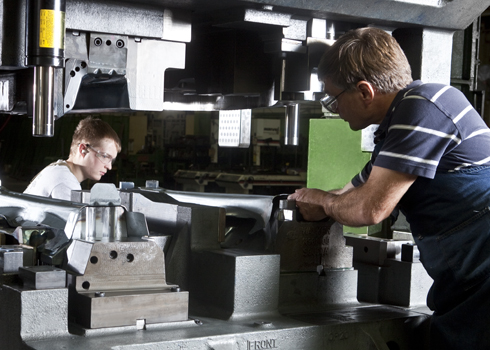
tamping die manufacturer
Chaoyang blog

Choosing the Right Stamping Die Manufacturer for High Precision Projects

High-precision projects require reliable tooling. Poor-quality tooling leads to scrap, downtime, and cost overruns. Conversely, experienced suppliers deliver consistent parts. Therefore, choosing the proper stamping die manufacturer is crucial. Here’s how to evaluate their capabilities, quality systems, and experience. We offer practical tips for selecting a partner that meets your precision requirements. Read on for practical guidance to ensure your stamping project is a success. Assess Technical Capabilities Start by reviewing the manufacturer’s equipment and technology. Do they use CNC machining, EDM, and precision grinding? Can they handle complex geometries and tight tolerances? Also, evaluate their simulation and prototyping capabilities. Consequently, you can gauge whether they can meet your project’s technical demands. Moreover, check their experience with the materials you plan to use. This helps avoid issues with wear, springback, or finishing. Ultimately, a well-equipped stamping die manufacturer can deliver accurate, repeatable results on time. Evaluate Experience with Similar Projects Past performance indicates future success. Ask for case studies or references from projects with similar precision or complexity. Additionally, verify their track record in industries such as automotive, electronics, or aerospace. Consequently, you can assess whether their expertise matches your project’s needs. Furthermore, check their problem-solving approach and responsiveness. Experienced teams anticipate challenges and proactively offer solutions. Therefore, you reduce the risk of delays and rework. Selecting a stamping die manufacturer with relevant experience ensures smoother project execution. Quality Management and Certifications Quality systems matter in precision stamping. Ensure the manufacturer follows ISO or industry-specific standards. Moreover, verify inspection capabilities, including CMMs and other metrology tools. Consequently, parts meet tolerance consistently. Also, ask about process documentation and traceability. This guarantees accountability for materials and processes. Furthermore, robust quality management reduces scrap and defects. Overall, a stamping die manufacturer with certified quality systems provides confidence in consistent output. Material Knowledge and Compatibility Not all manufacturers handle every material effectively. Verify their experience with steels, aluminum, copper, or specialty alloys. Additionally, consider the surface treatments and coatings that can be applied. Consequently, you avoid die wear, part deformation, or finishing problems. Moreover, proper material handling has a significant impact on tolerance and lifespan. Ensure the stamping die manufacturer understands metallurgy and the interactions with tooling. This knowledge supports high-precision outcomes and prolongs life. Delivery and Production Capacity Timely delivery matters in high-precision projects. Evaluate their production scheduling, capacity, and lead times. Also, consider flexibility for prototyping or urgent orders. Consequently, you avoid project delays and inventory issues. Furthermore, check how they handle scaling from small batches to full production. Efficient logistics and planning enable a stamping die manufacturer to meet both short-term and long-term demands. Cost Considerations Without Compromise Price is important, but quality and precision take priority. Beware of manufacturers offering unusually low bids. They may cut corners or use outdated processes. Conversely, reasonable investment in capable partners reduces defects and rework. Also, consider lifecycle costs, including maintenance, adjustments, and replacements. Consequently, choosing a stamping die manufacturer based on total value ensures project success and cost-efficiency. Communication and Support Clear communication reduces misunderstandings and errors. Assess responsiveness during inquiries and design discussions. Additionally, ensure they provide technical guidance and updates throughout the production process. Consequently, you stay informed and avoid surprises. Furthermore, a collaborative approach improves problem-solving. Selecting a stamping die manufacturer with strong communication practices strengthens project reliability and customer satisfaction. Final Recommendations for Stamping Die Manufacturer To select the proper stamping die manufacturer, begin by conducting a technical evaluation, reviewing their experience, and verifying their quality. Then, confirm material compatibility, production capacity, and delivery reliability. Also, consider total lifecycle costs and ensure clear communication throughout the process. Finally, seek references and validate past projects to confirm capabilities. By following these steps, you can ensure high-precision parts, reduce risk, and achieve smooth project execution with trusted Stamping Die Manufacturers. Chaoyang is an experienced stamping die manufacturer that integrates design and manufacturing. If you have mold customization needs, please don’t hesitate to contact us.

tamping die manufacturer
Chaoyang blog

How Advanced CNC and EDM Capabilities Set a Stamping Die Manufacturer Apart?

For a stamping die manufacturer, incorporating advanced CNC (Computer Numerical Control) and EDM (Electrical Discharge Machining) capabilities is imperative to maintaining a leading position in the global market. These technologies ensure accuracy, repeatability, and efficiency in die production. With CNC, manufacturers can consistently achieve complex geometries and tight tolerances. EDM complements this by enabling the creation of complex and hard-to-reach features, especially in hardened tool steels. The combination of the two enables stamping die manufacturers to deliver dies that meet the demanding needs of industries such as automotive, aerospace, and consumer electronics. Enhancing Precision and Repeatability Precision is the name of the game in stamping die fabrication. Advanced CNC systems enable sub-micron-level accuracy, ensuring that every cut and contour is executed precisely. This is particularly critical when producing components that require strict dimensional control. Moreover, EDM provides unparalleled precision in producing fine features and sharp corners. When dies require intricate shapes or are made from tough materials, EDM becomes indispensable. These capabilities reduce rework and scrap rates, resulting in significant cost savings and improved product quality. Reducing Lead Times Through Automation Speed matters, especially in high-volume manufacturing environments. CNC machining significantly reduces production time by automating tool paths and minimizing manual intervention. This automation accelerates die development and shortens lead times for customers. EDM also plays a crucial role in reducing lead times. Its ability to cut complex features without mechanical stress means fewer secondary processes are needed. As a result, a Stamping Die Manufacturer equipped with these technologies can deliver faster turnaround without compromising quality. Improving Tool Life and Consistency The longevity of tools directly impacts the cost-effectiveness of stamping operations. CNC machining enables consistent tool geometry, resulting in uniform wear patterns and extended tool life. Precision-ground surfaces also reduce friction during stamping, enhancing die durability. Meanwhile, EDM produces burr-free surfaces and minimizes thermal distortion, both of which contribute to the longer lifespan of dies. This consistency reduces the frequency of maintenance and replacement, ensuring uninterrupted production cycles and lower total cost of ownership. Facilitating Complex Die Designs Modern products require complex designs, and die manufacturers must meet this challenge. CNC enables the machining of intricate 3D contours and undercuts that would be impossible with traditional methods. Multi-axis CNC machines further expand design possibilities. EDM enables precision in deep cavities and fine details that cannot be achieved through conventional cutting. For a Stamping Die Manufacturer, this means they can support innovative product designs and meet stringent application-specific requirements across industries. Supporting Quality Assurance and Traceability Quality assurance is critical in stamping die manufacturing. CNC systems often come with integrated inspection tools that allow for real-time measurement and feedback. This helps maintain tight tolerances and identify deviations early in the process. EDM also supports traceability by offering consistent, programmable cutting parameters that ensure process repeatability and reliability. A manufacturer that leverages these capabilities can provide greater transparency and confidence to customers, particularly in regulated sectors such as the medical and aerospace industries. Aligning with Industry 4.0 Trends The future of manufacturing is digital.Stamping Die Manufacturers that adopt advanced CNC and EDM systems are well-positioned for Industry 4.0 integration. These machines often come with IoT capabilities, enabling real-time data collection and remote monitoring. Such integration improves workflow efficiency, predictive maintenance, and resource allocation. It also allows manufacturers to scale operations quickly and respond flexibly to market demands. Ultimately, embracing digital technologies ensures long-term competitiveness. Advantages of CNC and EDM for a stamping die manufacturer The integration of CNC and EDM capabilities can truly differentiate a stamping die manufacturer. These technologies enable unmatched precision, speed, and flexibility, which are critical in today’s manufacturing landscape. They can reduce lead times, extend die life, and support complex product demands across a wide range of industries.

Scroll to Top