Precision Machining

precision machining
Chaoyang blog

Can precision machining meet the precision requirements in aerospace and automotive parts manufacturing?

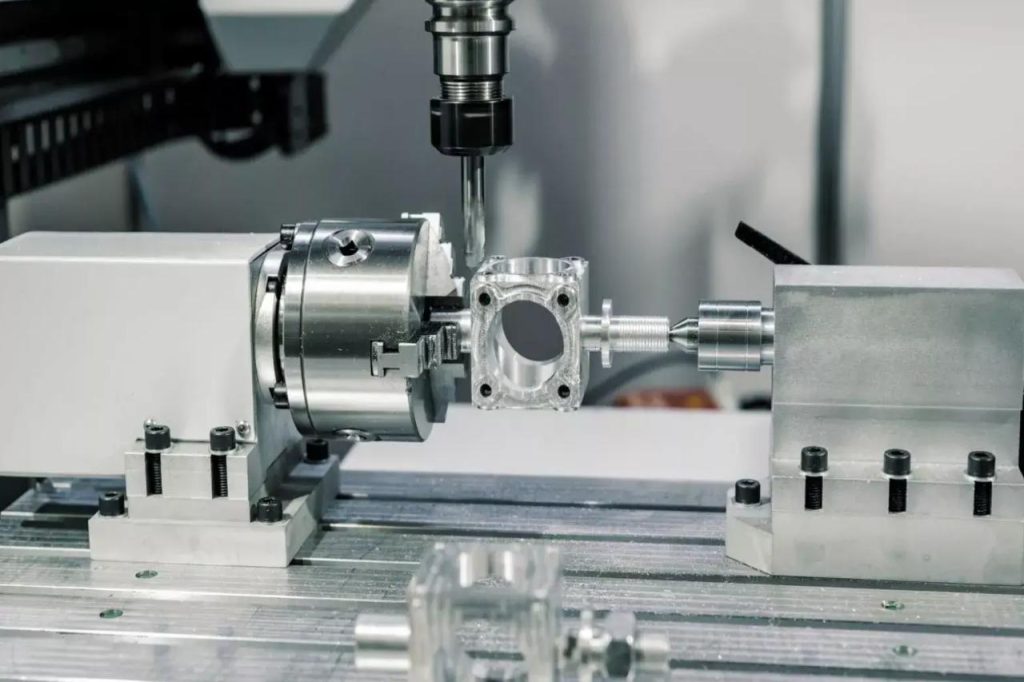
In aerospace and automotive parts manufacturing, precision requirements are extremely high. These components must operate reliably under extreme temperatures, high pressures, vibrations, and continuous mechanical stress. Even micron-level deviations can affect safety, performance, and service life. Can modern precision machining technology truly meet such stringent standards? Chaoyang believes the answer lies in materials science, advanced equipment configurations, rigorous process flows, and strict quality control. We provide comprehensive precision machining services, offering manufacturing solutions for complex industrial applications that combine dimensional accuracy, structural strength, and repeatable consistency. The Importance of Precision Machining for Aerospace and Automotive Parts Precision machining is the cornerstone of modern aerospace and automotive engineering. From engine housings and transmission components to structural supports and molds, every part must meet stringent tolerance and performance requirements. Therefore, qualified precision machining manufacturers must integrate advanced equipment, stable materials, and rigorous process control to ensure that each component operates exactly as designed. In addition to dimensional accuracy, manufacturers must also guarantee surface finish, geometric tolerances, and assembly compatibility to prevent cumulative errors during final integration. The Role of Precision Machining in High-Performance Component Manufacturing Precision machining ensures that critical aerospace and automotive components maintain dimensional stability even under high mechanical loads. For example, turbine housings, braking components, and fuel system components require tight tolerances to guarantee efficiency and safety. Through controlled CNC milling, turning, and multi-axis machining, specialized precision machining services ensure repeatable results for both prototyping and mass production. Furthermore, consistent machining accuracy minimizes vibration, friction, and wear, thereby extending the lifespan of finished products. Such high reliability can only be achieved through careful management of machining parameters, tool calibration, and environmental control. Material Selection and Durability Material integrity directly impacts machining performance and the long-term stability of components. Chaoyang uses robust and durable materials such as cemented carbide, ceramics, and tool steel to manufacture molds and critical tooling. These materials possess excellent wear resistance and thermal stability, enabling molds to maintain dimensional accuracy under high-intensity use. In the aerospace and automotive manufacturing industries, repeated cycles and extreme conditions are common; selecting durable materials ensures long-term tolerance and stability. As a precision machining manufacturer, we prioritize not only machinability but also overall lifecycle performance, ensuring components maintain structural integrity throughout extended production processes. Micron-Level Precision and Industry Standards The aerospace and automotive industries typically require micron-level tolerances. Achieving such high precision necessitates not only advanced machinery but also systematic calibration, skilled technicians, and rigorous inspection processes. Through optimized workflows and stable environmental control within our workshops, our precision machining services consistently deliver parts that meet stringent engineering specifications. Furthermore, maintaining micron-level precision improves assembly alignment, reduces rework, and enhances the safety of the final product. When dimensional deviations are minimized during machining, downstream production processes become more efficient and predictable. How Does Chaoyang’s Precision Machining Capability Meet Industry Needs? At Chaoyang, we combine advanced equipment, an experienced engineering team, and a comprehensive quality management system to meet the precision machining requirements of aerospace and automotive customers. Our workshops are equipped with CNC milling, turning, EDM, drilling, wire EDM, and precision grinding capabilities. We are equipped with Moore JG grinders, WASINO PG grinders, and Sodick oil-based cutting machines, enabling us to handle complex geometries and maintain tight dimensional control. This advanced configuration shortens production cycles while ensuring consistent quality for high-volume, high-complexity projects. Advanced Equipment Configuration in the Precision Machining Shop Precision machining heavily relies on equipment stability and process flexibility. Our machining centers support multi-axis operation, reducing repositioning errors and improving geometric accuracy. By integrating milling, turning, EDM, and grinding into a coordinated workflow, we streamline production processes and reduce accumulated tolerances. As a result, customers in the aerospace and automotive industries can achieve faster lead times without compromising quality standards. CNC milling and turning are fundamental to the production of complex parts. Multi-axis machining enables the completion of complex contours and chamfering in a single setup, reducing alignment errors and improving repeatability. This integrated machining approach improves productivity and dimensional consistency. Furthermore, an automated tool monitoring system further stabilizes machining performance, ensuring long-term accuracy even during extended production runs. Electrical Discharge Machining, Wire EDM, and Precision Grinding Technologies Electrical discharge machining (EDM) and wire EDM are crucial for manufacturing precision parts from hardened materials. Our Sodick oil-based EDM machines enable precise cuts and minimize thermal deformation. At the same time, Moore JG and WASINO PG grinders provide exceptional surface finishes and tight tolerance control. Precision grinding ensures flatness and parallelism, critical for mold inserts and aerospace structural components. The combination of these technologies enhances our ability to meet stringent engineering specifications. Integrated Tooling and Fixture Solutions for Optimized Production In addition to component machining, our precision machining services include comprehensive tooling and fixture design. Custom fixtures stabilize parts during machining and inspection, reducing positioning errors and improving repeatability. Furthermore, dedicated inspection fixtures improve measurement efficiency during assembly verification. By designing and manufacturing fixtures in-house, we optimize alignment accuracy, reduce setup time, and improve overall operational efficiency. This integrated capability makes Chaoyang a manufacturer offering comprehensive precision-machining solutions. Quality Assurance and Inspection in Precision Machining Services Quality verification is central to aerospace and automotive production. Our quality assurance team uses Zeiss Coordinate Measuring Machines (CMMs), Trimos 2D height gauges, and Nikon measuring microscopes to verify micron-level tolerances. These tools enable detailed geometric analysis, surface inspection, and dimensional verification of complex components. Through standardized inspection processes, we ensure consistent quality across every production batch. When these devices work together, they ensure dimensional accuracy and stability throughout production. Precision Machining as a Key Capability in Precision Manufacturing Precision machining, through carefully selected materials, world-class equipment, rigorous process control, and traceable metrology, fully meets the precision requirements of aerospace and automotive component manufacturing. Chaoyang Company possesses advanced equipment, including Moore JG grinders, WASINO PG grinders, Sodick EDM platforms, and multi-axis CNC machining centers, along with tooling design and a comprehensive inspection infrastructure, enabling our precision machining services to deliver micron-level accuracy and long-term reliability.
Precision Machining
Chaoyang blog

What is the difference between CNC machining and precision machining?

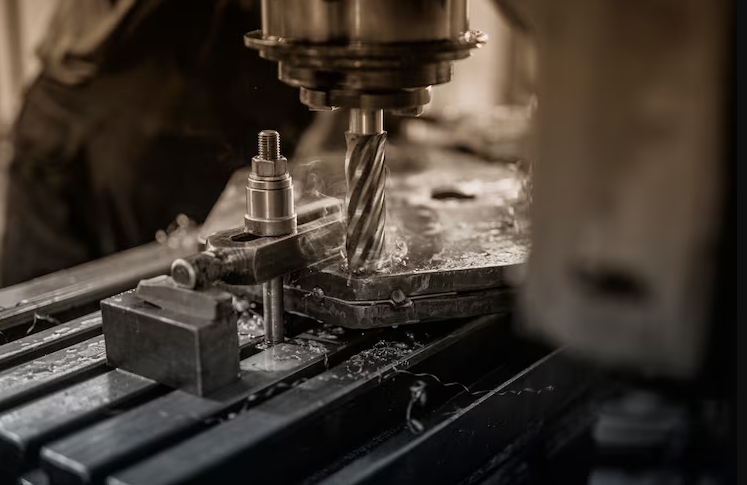
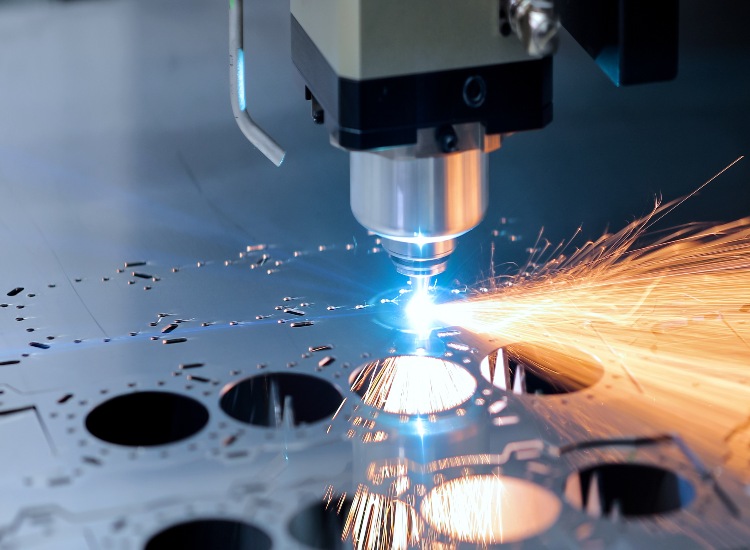
Precision machining and CNC machining are two distinct processes, both commonly used in the manufacturing industry, but serving different purposes. Many people confuse the distinction, so we’ll explain the differences below to help you choose the most appropriate process for your project. Defining CNC Machining CNC machining refers to the use of Computer Numerical Control systems to guide machine tools. The process automates cutting, milling, drilling, or turning by programming instructions into the equipment. CNC machines reduce human error and improve production efficiency. Their primary strength lies in repeatability and speed, particularly for large-scale production runs. Defining Precision Machining Precision Manufacturing involves producing components with extremely tight tolerances and high accuracy. It does not necessarily mean automation, though CNC is often part of it. The key goal is to achieve exact measurements, smooth finishes, and flawless parts. For example, when creating precision dies used in stamping connectors or Type-C interfaces, manufacturers must maintain tolerances within microns. Industries such as aerospace, medical devices, and electronics depend on Precision Manufacturing to meet strict performance standards. Core Difference Between CNC and Precision The primary difference lies in scope and focus. CNC machining is a method of using programmed machines. Precision machining is a goal—the pursuit of exactness and fine detail. While CNC machines can perform precision machining, not all CNC work requires the same level of precision. Similarly, precision machining can be accomplished with CNC or manual methods, as long as the required tolerances are met. In die-making, CNC equipment can cut base shapes, but precision machining ensures the punches and dies align perfectly for repeatable stamping. Applications of CNC Machining CNC machining is widely used in industries where consistent production matters. Automotive parts, consumer electronics, and general machinery benefit from the speed and efficiency of CNC machining. It is the go-to process for creating thousands of identical components. For example, CNC milling machines are used to rough-cut large die plates before the finer finishing is handled with Precision Manufacturing. CNC machining shines when accuracy is essential, but not at the highest tolerance levels required in advanced industries. Applications of Precision Machining Precision Manufacturing is essential for industries that cannot afford to fail. For example, medical implants must fit the human body perfectly. Aircraft engine parts must withstand extreme conditions with no error. Even minor deviations could cause safety risks. In tooling industries, precision dies used for stamping high-frequency connectors or thin metal sheets require flawless surfaces and ultra-tight tolerances. This makes precision machining indispensable in high-tech and safety-critical fields. Technology and Equipment Used CNC machining relies on programmed commands and versatile machine tools such as mills, lathes, or routers. Precision machining, which often utilises CNC equipment, also encompasses techniques such as grinding, electrical discharge machining, and micro-machining. For instance, wire EDM is commonly used in manufacturing precision dies, ensuring sharp corners and smooth profiles that stamping tools demand. These methods allow for extremely tight tolerances and surface finishes that standard CNC cutting cannot consistently achieve. Both approaches benefit from modern software and advanced tooling. Cost and Efficiency Considerations CNC machining is generally more cost-effective for mass production. Once programmed, machines can run continuously with minimal oversight. Precision machining, however, often incurs higher costs due to the use of specialised tools, extended setup times, and rigorous quality checks. The trade-off is superior performance and durability of the finished product. A good example is in die-making: CNC can quickly create the overall form, but precision machining ensures the final die can withstand millions of stamping cycles without failure. Businesses must balance budget, volume, and required tolerances when choosing between the two. Choosing Between CNC and Precision Machining The difference between CNC machining and Precision Manufacturing comes down to process versus purpose. CNC machining emphasises automation and repeatability, making it an ideal choice for standard production. Precision Manufacturing emphasises accuracy and reliability, serving industries where safety and function are critical. In many cases, companies combine both approaches. CNC machines deliver efficiency, while precision machining ensures perfection. Whether it’s producing complex aerospace parts or manufacturing precision dies for thin sheet stamping, understanding when to apply each process helps businesses optimise performance, cost, and quality. Industries that require the highest standards will always depend on precision machining.

Precision Machining
Chaoyang blog

Precision Machining Solutions Supporting Complex Metal Die Projects

Precision machining is at the heart of modern metal die manufacturing. Complex projects cannot rely on general machining tools alone. They demand high-accuracy equipment, strict process control, and a skilled team. Every micron matters when building dies for automotive, aerospace, and electronics. Precision machining ensures that even the most complex die projects achieve consistency, durability, and performance. The Role of Precision Machining in Modern Metal Die Manufacturing Precision machining differs from conventional machining through its ability to achieve ultra-tight tolerances. While traditional methods may allow slight deviations, die production cannot risk inaccuracies. Automotive stamping dies or aerospace die components require consistent precision across thousands of parts. In Europe and North America, customers expect strict compliance with ISO standards. This drives the industry to invest in advanced CNC machining for dies and robust quality assurance systems. Challenges in Complex Metal Die Projects Complex die projects often involve multi-step processes and intricate geometries. The challenges include maintaining wear resistance and minimizing tolerance buildup. Even small errors can accumulate, leading to production failures. Customers frequently raise concerns about efficiency, cost, and tool life. For example, in high-volume automotive stamping, downtime caused by inaccurate dies translates directly into financial loss. Accurate machining reduces these risks and builds customer confidence. Advanced Precision Machining Techniques Used in Metal Dies Manufacturers employ advanced methods such as CNC milling, EDM, precision grinding, and laser cutting. Five-axis machining enables the production of intricate shapes that were previously impossible. High-precision inspection equipment ensures dimensional accuracy at the micron level. These combined techniques guarantee stability throughout the die lifecycle. By leveraging precision machining services, companies meet demanding specifications without sacrificing production speed. Custom Design Support with Precision Machining Every complex die project begins with a tailored design process: concept, prototype, validation, and batch production. Accurate machining plays a key role in transforming digital models into physical components. This ensures that custom metal die design requirements are met without compromise. In Western markets, customers value flexibility and adaptability. Accurate machining enables manufacturers to deliver personalised solutions that align with industry-specific needs. Enhancing Durability and Performance of Metal Dies Durability is critical in reducing costs and improving reliability. Material selection, heat treatment, and precision machining work together to extend die life. Tool steels and alloys are hardened to resist wear. Accurate machining prevents stress points and cracks. In the automotive sector, optimized dies improve cycle speed. In electronics, well-machined dies reduce burrs and ensure flawless component shapes. Accurate machining provides the durability customers demand. Precision Machining for Different Industry Applications Different industries place unique demands on metal dies. In automotive manufacturing, dies must handle high-speed stamping of thin components. Aerospace industries require lightweight yet durable structures, often involving advanced alloys. Electronics rely on dies to produce small, complex parts with micro-scale accuracy. Precision machining services adapt to these varied needs, ensuring consistency and efficiency across industries. Why Work with an Experienced, Accurate Machining Partner Partnering with a skilled machining provider brings clear advantages. Experienced designers and advanced CNC machining equipment guarantee reliable results. Strong project management ensures timely delivery and predictable outcomes. Moreover, compliance with Western quality standards reassures customers in Europe and North America. Choosing the right partner for complex die projects reduces risk and builds long-term trust. Accurate machining is not only about technology but also about expertise. Final Thoughts on Precision Machining Solutions Supporting Complex Metal Die Projects Precision machining is essential for modern metal die manufacturing. It enables accuracy, durability, and customization in demanding industries. A combination of advanced techniques and expert teams ensures success. Companies seeking custom metal die design benefit from reduced costs, faster turnaround, and longer die life. For organizations aiming to stay competitive, working with a trusted partner in precision machining is the next step. Contact us today to explore how precision machining solutions can support your complex die projects.

Precision Machining
Chaoyang blog

Precision Machining for Thin-Sheet Metal Components in Consumer Electronics

If you are making thin-sheet parts for consumer electronics, you know the job is more finicky than it looks. Precision Machining helps ensure each part meets tight tolerances and high-quality standards. Pick the right alloy, cut it clean, and manage springback during every bend. Get your tooling and fixtures locked down so parts fit together without fuss. Nail surface preparation early to avoid rework after finishing. Prototype fast, record bend tables, and add targeted inspection steps to catch drift. Engineers, buyers, and product teams will find these practical Precision Machining checks cut scrap and speed time to market. Material selection and design for manufacturability Choose the correct alloy and temper early in the process to ensure reliable Precision Machining results. Common choices include aluminium for lightness and stainless steel for strength. Each material affects tooling, bending radii, and springback behaviour. Therefore, specify thickness and temper precisely on drawings. Also, design with gradual radii and bend reliefs to reduce cracking. Additionally, avoid sharp internal corners that concentrate stress and cause failures. Next, consider coatings and finishes during design to prevent rework. Furthermore, perform basic forming simulations or quick hand trials to catch obvious issues early. Additionally, validate prototypes and update drawings before production starts. Cutting and blanking methods Select cutting methods based on volume and the complexity of features. For high volume, turret punching or progressive dies deliver speed and low unit cost. Conversely, laser cutting or waterjet suits complex contours and lower volumes. However, laser heat can alter edge metallurgy, so control parameters must be carefully selected. Additionally, optimize nesting to reduce scrap and material costs. Also, inspect burr levels and edge squareness immediately after cutting. Then adjust cutting speeds or die clearances to improve edge finish and hole accuracy. Additionally, verify the temperature and thickness of the material as stated on the certificates. Furthermore, simulate forming now quickly. Bending, forming, and springback control Control bends with precision press brakes and reliable back gauges. Use progressive forming or multi-step bending for tight geometries to achieve optimal results. Also, select tooling that matches the material and bend radius to minimize springback. Therefore, compensate for springback by adjusting tool paths or using slight overbend methods. Moreover, perform hemming and flanging for exposed edges to improve strength and appearance. In addition, apply clamps and soft jaws to prevent imprint marks on visible surfaces. Next, record the tool settings and bend angles to ensure repeatability. Furthermore, simulate forming now to reduce failures quickly. Tooling, fixtures, and process stability Invest in durable tooling and precision fixtures to reduce variation. Effective tools reduce scrap and significantly extend uptime. Therefore, choose coated or carbide tooling for abrasive alloys. Also design quick-change fixtures to reduce setup time and improve repeatability. Implement poka-yoke features to prevent misalignment during high-speed runs. Moreover, adopt SPC and maintain control charts for key dimensions. Then schedule preventative maintenance and tool replacement based on measured wear. Additionally, track cycle times, rejects, and tool life to inform continuous improvement—also, document bend tables and tool settings. Surface finishes and secondary processes Plan finishing early to avoid costly rework later. Common finishes include anodizing, plating, brushing, and powder coating. Each finish needs specific pre-treatment and handling. Therefore, avoid deep scratches before coating and specify masking for contact areas to prevent damage. Additionally, verify coating thickness and adhesion with tests during first-article inspection. Also, factor in post-forming operations, such as tumbling or deburring, to improve edge quality and appearance. Next, coordinate finish suppliers and schedule to prevent delays on the critical path. Furthermore, ensure paint or coating tolerances match assembly and thermal requirements. Also, document bend tables and tool settings for finishing compatibility. Inspection, testing, and traceability Develop a comprehensive inspection plan that incorporates first-article checks and ongoing sampling—Utilise CMMs for complex geometry and optical comparators for flatness and profile measurements. Also, verify hole sizes, thread engagement, and surface roughness with calibrated gauges. Therefore, set AQL levels and lot sampling procedures that match product risk. Additionally, keep traceable material certificates and process logs for each batch. Then analyze trends using SPC to catch drift before parts fail. Moreover, perform functional tests on assembled units to validate real-world fit and durability. Additionally, review tool wear rates and replace before tolerances drift. Assembly, tolerances, and integration Design parts with assembly in mind to reduce rework on the line. Specify tolerances that align with downstream processes and accommodate stack-up. If parts mate to PCBs or enclosures, verify the stack-up with actual components early. Additionally, consider the accessibility of fasteners and the placement of slots to facilitate ease of assembly and maintenance. For press-fit features, define insertion forces and test with production fixtures. Additionally, plan for thermal expansion during operation and provide clearance where necessary. Next, assemble prototype units to validate fit and function before committing to large-scale production runs. Next, confirm. Conclusion and recommendations for Precision Machining In practice, successful thin sheet parts come from good design, the right materials, and tight process control. Start with DFM reviews and quick prototypes to catch problems early. Standardise tooling, fixtures, and inspection routines to maintain consistent quality across runs. Prioritize finishes and assembly tests to ensure the final product meets expectations. Utilize SPC and regular maintenance to minimize variation and prevent costly downtime. Collaborate with suppliers who provide traceability, prompt support, and a commitment to ongoing improvement. Additionally, maintain a concise acceptance checklist for incoming batches and conduct a basic inspection on samples. When you follow these steps, your Precision Machining outcomes improve and your time to market shortens.

Chaoyang blog

How Precision Machining Enhances the Accuracy of Progressive Stamping Dies?

Precision machining plays a vital role in ensuring the dimensional accuracy and consistent performance of progressive stamping dies. In high-volume production environments, even the slightest deviation in die geometry can result in significant material waste or compromised product quality. By employing advanced machining techniques, manufacturers can meet tight tolerances, ensure part uniformity, and enhance the overall efficiency of the stamping process. Understanding Progressive Stamping Dies and Their Tolerance Requirements Progressive stamping dies comprise a series of workstations that shape the material in sequence as it passes through the die set. Each station performs a specific task—cutting, bending, coining, or drawing—until the final form is achieved. Given this chained workflow, any deviation at one station can compromise the entire output, which underscores the importance of exacting tolerances. Tolerance in progressive stamping is not just a technical metric—it’s a critical factor in maintaining part interchangeability, operational safety, and compliance with industry standards. In many cases, tight tolerances of ±0.01mm or less are necessary, particularly when producing components for precision connectors or sensors. Precision machining is indispensable in achieving such demanding specs. Critical Role of Material Selection and Design Geometry While machining accuracy is essential, the effectiveness of progressive stamping dies also hinges on selecting suitable materials and designing geometries that align with performance requirements. High-speed steel, carbide, and powdered metals are often used for die components due to their hardness and wear resistance. However, machining these materials accurately requires specialised tooling and techniques. Equally important is the design geometry of each die element—clearance angles, corner radii, and punch shapes must be tailored to both the workpiece material and the forming process. Precision machining enables engineers to execute intricate geometries with sharp detail, allowing for optimal material flow and reducing stress concentrations that could lead to premature die failure. Precision Machining Techniques That Maximise Die Accuracy A variety of machining techniques are employed to achieve the ultra-tight tolerances required in progressive stamping dies. These include wire EDM (Electrical Discharge Machining), high-speed CNC milling, grinding, and jig boring. Each method is suited to specific geometries or materials, chosen based on the die’s shape, size, and intended function. Wire EDM, for example, excels at producing intricate profiles and sharp corners without inducing mechanical stress. Meanwhile, CNC milling provides flexibility for multi-axis machining and can achieve mirror-like surface finishes when equipped with fine-tipped tools. Grinding and jig boring further refine surface precision and dimensional accuracy, especially for guide pins and bushings. Minimising Wear and Deformation in High-Volume Production Precision machining not only improves the initial accuracy of a stamping die but also directly contributes to its long-term durability. By ensuring smoother surfaces, tighter fits, and proper alignments, it reduces friction, heat buildup, and vibration during operation, all of which are key drivers of tool wear and deformation. In progressive stamping operations that may involve millions of cycles, even a slight misalignment or burr can cause cumulative damage. Machined components with superior finishes and precise tolerance control help prevent these issues, thereby extending die life and minimising downtime. Surface treatments, such as polishing, nitriding, or coating, can also be applied post-machining to enhance performance further. Impact of CNC Technology on Modern Stamping Die Fabrication CNC (Computer Numerical Control) machining has revolutionised the design and manufacture of progressive stamping dies. The integration of CAD/CAM software enables engineers to simulate toolpaths, optimise cycle times, and verify tolerances before cutting commences. This digital workflow enhances accuracy while reducing lead times and human error. Moreover, CNC systems offer unmatched repeatability and consistency across production batches. With closed-loop feedback systems and real-time monitoring, CNC machines can detect tool wear or positional drift and compensate automatically. This automation not only ensures higher accuracy but also frees skilled operators to focus on strategic tasks, such as process optimisation or developing custom tools. Quality Control Strategies that Leverage Precision Machining Implementing rigorous quality control measures is crucial for ensuring that each die component meets its specifications. Precision machining complements these efforts by producing highly repeatable results, which simplifies inspection and reduces variability. Standard QC tools, such as CMMs, laser scanners, and comparators, rely on precision-machined surfaces for accurate measurements. In some facilities, in-line metrology systems are integrated directly into CNC machining centres, allowing for immediate verification and correction of”tolerances. “This’ measure-while-machining’ approach reduces the need for downstream inspection and ensures defects are caught early. Moreover, precision machining enables traceability—each die component can be uniquely coded and measured with confidence. Integration with Automation and Tooling Innovations Progressive stamping dies are increasingly integrated with automated feeding systems, sensors, and real-time monitoring tools. Precision machining ensures these complex systems work seamlessly together by enabling the tight alignments and reliable interfaces required for automation. For example, machined guide rails and locating pins help achieve exact strip positioning with minimal deviation. Tooling innovations such as quick-change die sets, modular tooling blocks, and adaptive inserts also rely heavily on precision machining. These components must maintain dimensional accuracy even under high loads and frequent exchanges. As automation grows in stamping facilities, the demand for high-precision, easily replaceable die components continues to rise—driven by the machining methods that make them possible. Sustaining Long-Term Accuracy through Precision Machining Ultimately, the goal of precision machining in progressive stamping die manufacturing is not just to meet its design specs—it’s to sustain performance over time. Consistent accuracy is crucial for maintaining product quality, minimizing scrap, and preventing costly tool rebuilds. Through a combination of high-end equipment, skilled craftsmanship, and continual process refinement, manufacturers can extend tool longevity and lower the total cost of ownership.

Precision Machining
Chaoyang blog

How Precision Machining Improves Accuracy in Stamping Die Components?

Precision Machining is the foundation of accurate and reliable stamping die components. In the world of metal forming, even a minor error in die components can result in significant inconsistencies in the final parts. Manufacturers rely on precise tolerances to ensure that each stamping operation produces consistent, defect-free components. With advanced CNC systems, EDM technology, and high-quality die materials, precision machining enables engineers to control every dimension and surface finish with accuracy. Material Selection and Tool Performance Choosing the right materials is crucial for optimal die performance. High-strength tool steels, such as D2, A2, or M2, are commonly used in stamping die components due to their exceptional wear resistance and toughness. However, without precise machining, even the best materials fail to perform. Precision machining brings out the best in these materials by achieving the required hardness and geometry, thereby optimizing their performance and enhancing their overall effectiveness. Additionally, the right material must be paired with precise heat treatment and surface finishing. Proper machining allows uniform heat distribution and dimensional stability during the hardening process. Combined with surface treatments such as nitriding or PVD coating, the final components exhibit enhanced durability and lower friction, improving the die life and performance.   Tolerance Control for High-Precision Applications In industries like automotive, electronics, and aerospace, tight tolerances are non-negotiable. Precision machining ensures that die components meet micron-level tolerances, which is critical when forming parts with complex geometries or thin-wall sections. Any deviation can cause misalignment, material tearing, or dimensional inaccuracies. Precision machining achieves this level of control through high-speed CNC milling, turning, and grinding. Advanced measurement systems, such as CMMs (Coordinate Measuring Machines), verify that each component stays within tolerance. This not only guarantees part quality but also maintains compatibility with other dies or machinery in the production line. Enhancing Component Fit and Assembly A perfect fit between components is essential for die longevity and stamping quality. Precision machining ensures that mating parts such as punches, die inserts, and retainers align seamlessly. This reduces wear, prevents jamming, and supports consistent material flow during operation. Additionally, accurate alignment facilitates ease of maintenance. Technicians can replace worn components without recalibrating the entire system, minimizing downtime. The exacting nature of precision machining also simplifies assembly, leading to faster die setups and improved cycle times in production. Reducing Variability and Ensuring Consistency Variability in die components leads to inconsistent product dimensions, scrap, and costly recalls. Precision machining minimizes this risk by delivering consistent component quality from batch to batch. With computerized controls and automated inspection, it becomes possible to monitor tool wear and adjust parameters in real-time. Furthermore, consistent component dimensions support the principles of lean manufacturing. They help reduce inventory of backup parts, simplify quality control processes, and allow for more predictable production planning. Ultimately, precision machining turns die components into reliable building blocks for high-performance stamping systems. Speeding Up Development and Prototyping Time-to-market is crucial in competitive industries. Precision machining accelerates the prototyping and development phase of stamping dies by producing highly accurate components quickly. Design changes can be implemented and tested with minimal lead time, allowing for rapid iteration. Using CAD/CAM integration, engineers can seamlessly transition from digital models to finished parts. This reduces human error and ensures that prototypes closely match final production specifications. The speed and accuracy of precision machining shorten development cycles and enable faster delivery to clients. Cost-Efficiency Through Long-Term Durability While Precision Manufacturing may require a higher initial investment, it pays off through long-term savings. Precisely machined die components last longer, maintain form integrity, and reduce downtime caused by failures or misalignments. Their predictable performance lowers maintenance costs and minimizes production disruptions. Additionally, fewer defects and less rework contribute to overall efficiency. By investing in quality from the start, manufacturers avoid hidden costs down the line. Precision machining transforms tooling into a cost-effective asset that supports sustained production excellence. The Role of Precision Machining in Stamping Dies Precision machining plays a key role in improving the accuracy and efficiency of stamping die components. From tight tolerances and material optimization to faster prototyping and long-term cost savings, the benefits are clear. Precision machining delivers more than just parts – it ensures consistency, reliability, and superior performance at every stage of the manufacturing process.

Scroll to Top