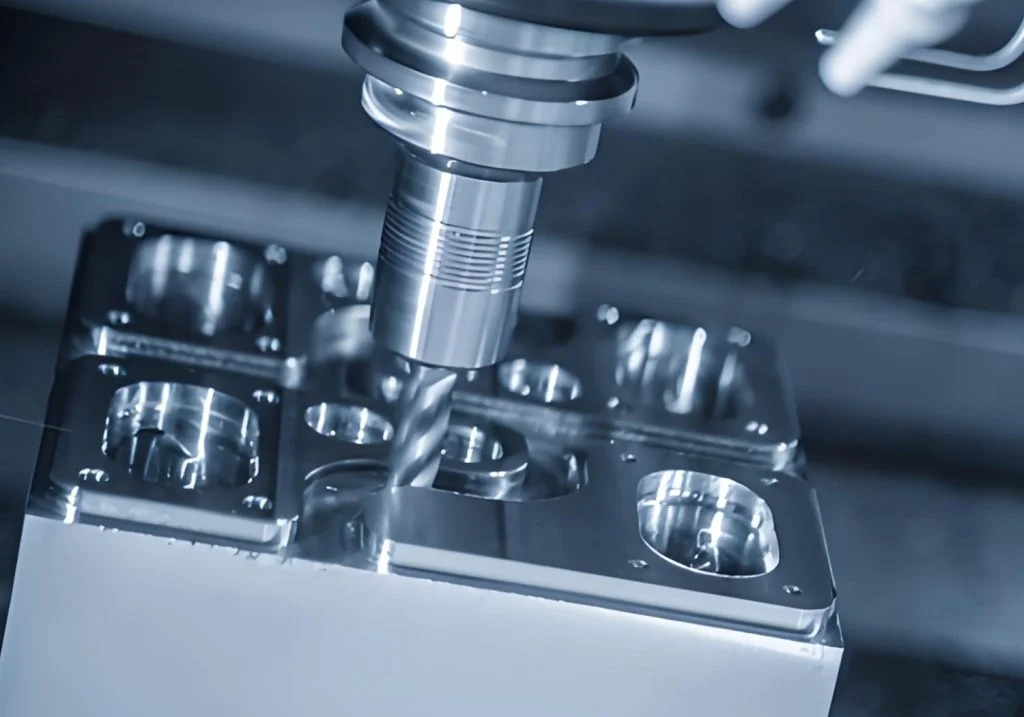
Precision dies

Precision Dies 1-2
Chaoyang blog

Tolerance Control for Precision Dies: How to Achieve ±0.002 mm Accuracy

For the precision control of precision dies, we don’t simply view it as a single step, but rather as a controlled process that begins with the design intent and extends through every stage, including material selection, machine tool performance, fixtures, process control, and inspection. Achieving a precision die accuracy of ±0.002 mm is highly challenging, but it is entirely achievable if engineers combine the right equipment, mature process solutions, and rigorous quality assurance. Therefore, we will introduce the practical technologies employed by Chaoyang—high-speed YASDA machining, large-capacity AWEA/AGMA/Vision Wild machining centers, fine-wire electrical discharge machining (φ0.05-0.30 mm), and ultra-precision grinding and fixtures—to produce dies that meet the flatness, roundness, and geometric accuracy requirements of modern precision manufacturing. Precision Dies: Design, Materials, and Dimensional Intent Successful tolerance control begins at the design stage. When engineers specify precision dies with an accuracy of ±0.002 mm, they must translate functional requirements into geometric tolerances that the manufacturing process can reliably replicate. First, identify the critical datums, mating relationships, and surface finishes that affect part function. Second, select die materials with low, well-defined coefficients of thermal expansion and stable metallurgical properties—engineers commonly choose tool steels such as A2, D2, and high-quality H13 because they maintain dimensional stability after heat treatment and resist deformation during electrical discharge machining and grinding. Equally important, designers should specify reasonable geometric tolerances: reserve ±0.002 mm tolerances for features that directly impact part function or stack-up. Use Geometric Dimensioning and Tolerancing (GD&T) to reduce ambiguity; specify positional tolerances, concentricity, and perpendicularity relative to stable datums. In design reviews, our manufacturing and metrology teams ensure that existing processes can achieve the required tolerance stack-up. Finally, document surface finish targets (e.g., Ra0.05 where applicable), as surface texture affects contact interactions and inspection methods. High-Speed, Large-Size CNC Machine Tools with ±0.002 mm Accuracy The choice of machine tools determines whether the ±0.002 mm accuracy target is feasible. Achieving this level of precision requires two complementary types of machine tools: high-speed, ultra-rigid multi-axis machining centers for processing miniature features; and large, heavy-duty CNC machining centers for processing significant die components. At the Chaoyang factory, we use high-speed CNC from YASDA in Japan, with spindle speeds up to 40,000 rpm. These machines excel in micro-geometry machining, fine surface finish, and precise shape control because their spindle dynamics, thermal compensation, and structural rigidity minimize runout and vibration. For larger workpieces, our AWEA/AGMA/Vision Wild CNC machining centers provide the necessary machining capacity and thermal stability. These machines focus on structural strength, thermally controlled axes, and advanced drive systems to maintain tolerances while removing more material. Key machining practices include frequent warm-up cycles, active thermal compensation, minimal tool overhang, and careful programming to avoid abrupt changes in machining direction. Crucially, process engineers match these machines with high-quality tooling (sharp carbide or CBN inserts for fine machining) and optimized cutting parameters to reduce cutting forces that lead to elastic deformation. Wire EDM and Micromachining for Precision dies – Accuracy to ±0.001 mm, Surface Roughness Ra 0.05 When complex contours, small radius corners, or thin punches need to be machined, wire electrical discharge machining (EDM) becomes indispensable. Chaoyang’s wire EDM capabilities utilize wires ranging from φ0.05 mm to φ0.30 mm in diameter, enabling the cutting of delicate shapes with extremely high geometric accuracy. Since EDM is a thermal process, controlling spark energy, pulse duration, and flushing is critical to minimizing recast layers and maintaining dimensional accuracy. Fine-wire EDM with φ0.05–0.10 mm wires allows for cutting internal features with minimal kerf and microscopic radii, achieving dimensional repeatability as low as ±0.001 mm with strict control of process parameters and electrode wear compensation. Another advantage of electrical discharge machining (EDM) is its excellent surface finish: by sequentially performing roughing, semi-finishing, and finishing operations and applying low-energy finishing pulses, we can consistently achieve surface roughness near Ra0.05. Subsequent post-EDM processing—such as light grinding, polishing, or vibratory finishing—can remove any remaining recast layer and further improve surface integrity. Fixturing, Coordinate Grinding, and Shape Control, with Accuracy to ±0.001 mm Even the best machine tools cannot achieve ±0.002 mm accuracy without precision fixturing and controlled grinding. Fixtures must establish stable, repeatable datums to resist clamping deformation. At Chaoyang, we design dedicated fixtures that distribute clamping forces evenly and, where feasible, employ kinematic positioning to minimize over-constraint. For thin or asymmetrical precision dies, we use multi-point support plates and controlled-torque clamping to prevent elastic bending under load. Coordinate grinding and surface grinding processes provide final dimensional and shape control. We use CNC surface and cylindrical grinders equipped with in-process probing to correct residual deviations and control the roundness and positional tolerances of holes, slots, grooves, and contours to within ±0.001 mm. For example, we combine centerless grinding for cylindrical features and use diamond grinding wheels for hardened surfaces. Intermediate stress-relief and stabilization treatments between machining and grinding operations reduce residual stresses that would otherwise cause dimensional deformation over time. Process Control, Thermal Management, and die Strategy Maintaining ±0.002 mm accuracy requires rigorous process control. Temperature is a significant obstacle—fluctuations in ambient temperature and heat generated during cutting can cause micron-level dimensional changes. To overcome this, we maintain strict control of the workshop environment during precision machining phases, instrumentally monitor machine tool and workpiece temperatures, and implement thermal drift compensation in the CNC system. In addition, we have optimized the machining sequence to minimize heat accumulation: finish machining is scheduled after rough machining, and the holding-pressure stage, and the thermal stabilization treatment is performed after high-energy machining, followed by precision machining. Tooling strategy also impacts tolerance control. High-precision tool holders (HSK, shrink-fit) are used, and runout is minimized through spindle and tool balancing. Tool life tracking is implemented, and tools are replaced before wear exceeds the threshold. Achieving ±0.002 mm accuracy Achieving ±0.002 mm accuracy in precision dies does not rely on a single piece of equipment or process, but rather stems from a complete precision die manufacturing process. Accurate tolerance control depends on the synergistic cooperation of design intent, material stability, advanced CNC machining, fine wire EDM, ultra-precision grinding,
Precision dies
Chaoyang blog

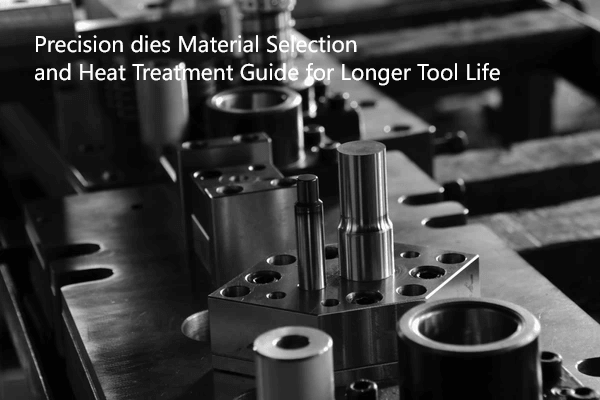
Precision Dies Material Selection and Heat Treatment Guide for Longer Tool Life

Choosing the right steel and heat treatment defines the life of Precision dies. Material and process choices affect wear, toughness, distortion, and maintenance cycles. Therefore, engineers must match steel chemistry, thermal cycles, and surface treatments to the application. I give a practical, engineering-focused guide. This guide explains which alloy to choose, how to perform heat treatment, and which surface treatments or post-treatments can extend the life of the precision die. Match the steel family to the loading and wear modes First, identify the dominant load. Does the die cut, blank, form, or stamp at high temperature? For heavy wear and abrasion, high-carbon, high-chromium cold-work steels, such as D2, are commonly used. For hot-forming or die-casting tooling, hot-work steels such as H13 are the most suitable. Tools prone to impact and shock, shock-resistant grades like S7 provide toughness. Match the steel to the load, as the wrong family can deliver poor life, regardless of heat treatment. Industry datasheets and supplier guides summarise recommended applications for each grade. Understand the trade-off between hardness and toughness Hardness improves wear resistance. However, excessive hardness compromises toughness and increases the risk of cracking. For example, D2 can reach a hardness of ~60–62 HRC after hardening, which provides excellent edge retention. Yet, D2 can be brittle if not tempered correctly. Conversely, H13 offers good toughness at 45–52 HRC after tempering, which suits hot-work tools that see thermal cycling. Therefore, balance target hardness with the application: choose a higher hardness for abrasive wear and a moderate hardness for shock or thermal stress. Heat treatment basics: quench, temper, and dimensional control Proper heat treatment starts with controlled austenitizing and ends with tempering. Quenching creates hard martensite, while tempering reduces brittleness and stabilizes dimensions. For many tool steels, immediate tempering after quench prevents cracking and converts retained austenite. Additionally, tempering cycles determine the final hardness and retained stress. Always follow the supplier’s heat-treatment curves and incorporate stress-relief steps between rough and finish machining to minimize distortion. Reliable vendor guides provide temperatures and hold times for common grades. Surface engineering nitriding, carburising, and coating Surface treatments give a hard skin while preserving a more rigid core. Nitriding forms a hard nitride layer at lower temperatures. It enhances wear and fatigue resistance without significant core changes, making it ideal for tooling that requires a thin, hard surface. In contrast, carburizing produces a deeper, carbon-enriched case for parts that require a thick, rigid surface layer. For many die applications, thin, hard coatings applied by PVD, such as TiAlN, significantly reduce abrasive wear and extend intervals between regrinds. Combine surface treatments with base alloy choice for best results. Use shot peening and residual-compression methods to fight fatigue Fatigue often kills at corners and holes. Shot peening induces compressive residual stresses in the surface, which delays crack initiation. Additionally, proprietary surface modifications can significantly mitigate stress-corrosion cracking and dramatically extend the life of components in corrosive or cyclic load environments. For stamping and high-cycle tools, shot peening, combined with appropriate heat treatment, has shown measurable life gains. Therefore, include peening in the arsenal, especially where cyclic fatigue limits the life of components. Cryogenic processing and PM steels Cryogenic treatment aims to transform retained austenite to martensite and refine carbide distribution. Studies have reported improved wear resistance and stability after deep cryogenic cycles, particularly in tool steels that are subject to abrasive wear. Meanwhile, powder-metallurgy (PM) tool steels offer uniform carbide distribution and superior toughness. PM grades often outperform conventional cast/forged steels in life-critical dies. Thus, consider cryo-treatment for existing dies and PM steels when designing new high-performance tools. Practical process controls to minimise distortion and rework Control matters. Preheat uniformly before hardening and cool with consistent quench media to avoid cracking. Machine with recommended allowances; perform intermediate stress-relief cycles before finishing machining. Additionally, measure and log the dimensional change after heat treatment to refine machining allowances. Use statistical process control for heat-treat batches. These practical steps minimize surprises and reduce costly rework. Supplier tech notes explain typical dimensional changes and recommended machining allowances for specific steels. Design, surface finish, and maintenance checklist for Precision dies Design for longevity. Use radii at stress points, avoid sharp internal corners, and specify fillets that reduce local stress. Then, select a steel that matches the wear and shock requirements, and define a heat-treatment recipe that balances hardness and toughness. Next, add a surface treatment, such as nitriding, carburizing, PVD coating, or shot peening, as required. Finally, document inspection intervals, regrind limits, and remanufacture plans should be established. Doing this makes Precision dies last longer, reduces downtime, and cuts total tool cost. For authoritative guidelines, consult supplier heat-treatment datasheets and peer-reviewed studies when specifying materials and processes.

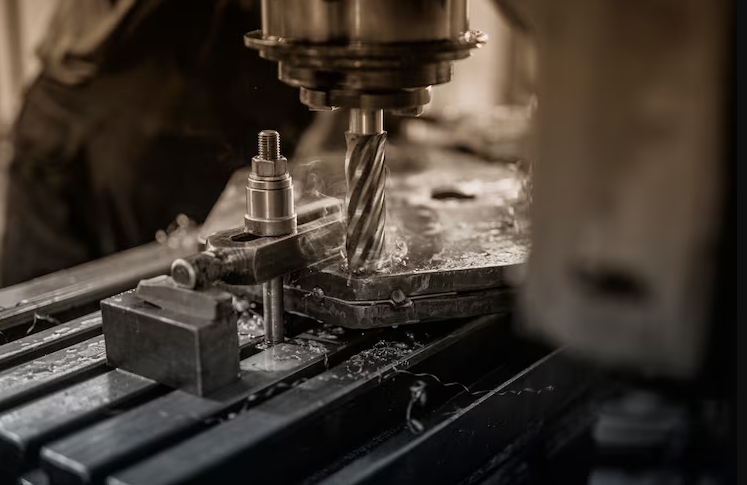
Precision Machining
Chaoyang blog

Precision Machining for Thin-Sheet Metal Components in Consumer Electronics

If you are making thin-sheet parts for consumer electronics, you know the job is more finicky than it looks. Precision Machining helps ensure each part meets tight tolerances and high-quality standards. Pick the right alloy, cut it clean, and manage springback during every bend. Get your tooling and fixtures locked down so parts fit together without fuss. Nail surface preparation early to avoid rework after finishing. Prototype fast, record bend tables, and add targeted inspection steps to catch drift. Engineers, buyers, and product teams will find these practical Precision Machining checks cut scrap and speed time to market. Material selection and design for manufacturability Choose the correct alloy and temper early in the process to ensure reliable Precision Machining results. Common choices include aluminium for lightness and stainless steel for strength. Each material affects tooling, bending radii, and springback behaviour. Therefore, specify thickness and temper precisely on drawings. Also, design with gradual radii and bend reliefs to reduce cracking. Additionally, avoid sharp internal corners that concentrate stress and cause failures. Next, consider coatings and finishes during design to prevent rework. Furthermore, perform basic forming simulations or quick hand trials to catch obvious issues early. Additionally, validate prototypes and update drawings before production starts. Cutting and blanking methods Select cutting methods based on volume and the complexity of features. For high volume, turret punching or progressive dies deliver speed and low unit cost. Conversely, laser cutting or waterjet suits complex contours and lower volumes. However, laser heat can alter edge metallurgy, so control parameters must be carefully selected. Additionally, optimize nesting to reduce scrap and material costs. Also, inspect burr levels and edge squareness immediately after cutting. Then adjust cutting speeds or die clearances to improve edge finish and hole accuracy. Additionally, verify the temperature and thickness of the material as stated on the certificates. Furthermore, simulate forming now quickly. Bending, forming, and springback control Control bends with precision press brakes and reliable back gauges. Use progressive forming or multi-step bending for tight geometries to achieve optimal results. Also, select tooling that matches the material and bend radius to minimize springback. Therefore, compensate for springback by adjusting tool paths or using slight overbend methods. Moreover, perform hemming and flanging for exposed edges to improve strength and appearance. In addition, apply clamps and soft jaws to prevent imprint marks on visible surfaces. Next, record the tool settings and bend angles to ensure repeatability. Furthermore, simulate forming now to reduce failures quickly. Tooling, fixtures, and process stability Invest in durable tooling and precision fixtures to reduce variation. Effective tools reduce scrap and significantly extend uptime. Therefore, choose coated or carbide tooling for abrasive alloys. Also design quick-change fixtures to reduce setup time and improve repeatability. Implement poka-yoke features to prevent misalignment during high-speed runs. Moreover, adopt SPC and maintain control charts for key dimensions. Then schedule preventative maintenance and tool replacement based on measured wear. Additionally, track cycle times, rejects, and tool life to inform continuous improvement—also, document bend tables and tool settings. Surface finishes and secondary processes Plan finishing early to avoid costly rework later. Common finishes include anodizing, plating, brushing, and powder coating. Each finish needs specific pre-treatment and handling. Therefore, avoid deep scratches before coating and specify masking for contact areas to prevent damage. Additionally, verify coating thickness and adhesion with tests during first-article inspection. Also, factor in post-forming operations, such as tumbling or deburring, to improve edge quality and appearance. Next, coordinate finish suppliers and schedule to prevent delays on the critical path. Furthermore, ensure paint or coating tolerances match assembly and thermal requirements. Also, document bend tables and tool settings for finishing compatibility. Inspection, testing, and traceability Develop a comprehensive inspection plan that incorporates first-article checks and ongoing sampling—Utilise CMMs for complex geometry and optical comparators for flatness and profile measurements. Also, verify hole sizes, thread engagement, and surface roughness with calibrated gauges. Therefore, set AQL levels and lot sampling procedures that match product risk. Additionally, keep traceable material certificates and process logs for each batch. Then analyze trends using SPC to catch drift before parts fail. Moreover, perform functional tests on assembled units to validate real-world fit and durability. Additionally, review tool wear rates and replace before tolerances drift. Assembly, tolerances, and integration Design parts with assembly in mind to reduce rework on the line. Specify tolerances that align with downstream processes and accommodate stack-up. If parts mate to PCBs or enclosures, verify the stack-up with actual components early. Additionally, consider the accessibility of fasteners and the placement of slots to facilitate ease of assembly and maintenance. For press-fit features, define insertion forces and test with production fixtures. Additionally, plan for thermal expansion during operation and provide clearance where necessary. Next, assemble prototype units to validate fit and function before committing to large-scale production runs. Next, confirm. Conclusion and recommendations for Precision Machining In practice, successful thin sheet parts come from good design, the right materials, and tight process control. Start with DFM reviews and quick prototypes to catch problems early. Standardise tooling, fixtures, and inspection routines to maintain consistent quality across runs. Prioritize finishes and assembly tests to ensure the final product meets expectations. Utilize SPC and regular maintenance to minimize variation and prevent costly downtime. Collaborate with suppliers who provide traceability, prompt support, and a commitment to ongoing improvement. Additionally, maintain a concise acceptance checklist for incoming batches and conduct a basic inspection on samples. When you follow these steps, your Precision Machining outcomes improve and your time to market shortens.

Scroll to Top